




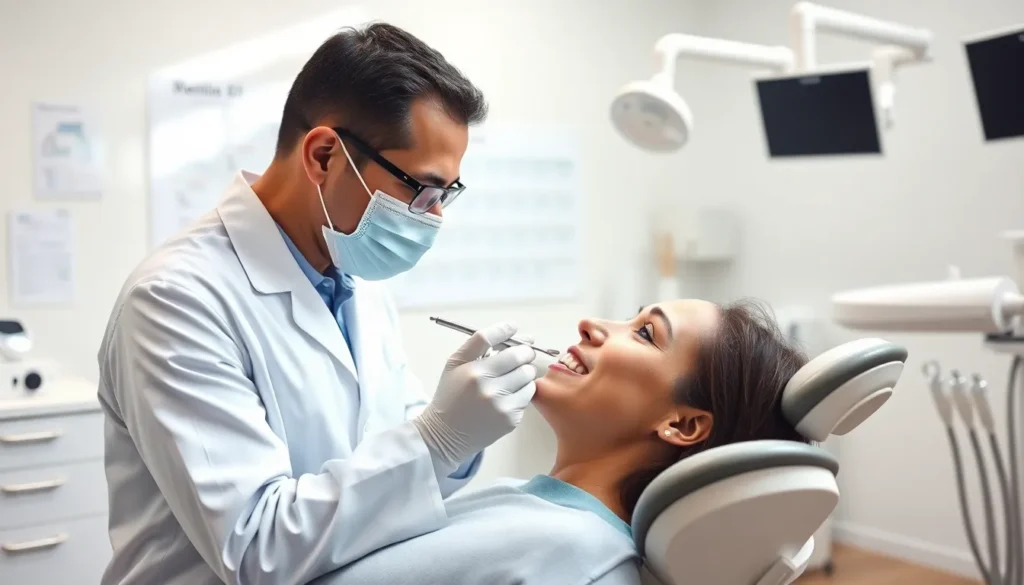
Imagine this: you’ve just conquered the potentially terrifying journey of deep cleaning at the dentist, and now you’re left wondering how long it takes for your gums to get back to their happy, healthy selves. It’s like waiting for your favorite show to come back after a cliffhanger – you want to know what happens next. Today, we’ll jump into the world of gum health after deep cleaning and uncover the timeline for reattachment, plus a few ways to speed up the process. Spoiler alert: there’s more here than just counting the days.
Understanding Deep Cleaning Procedures
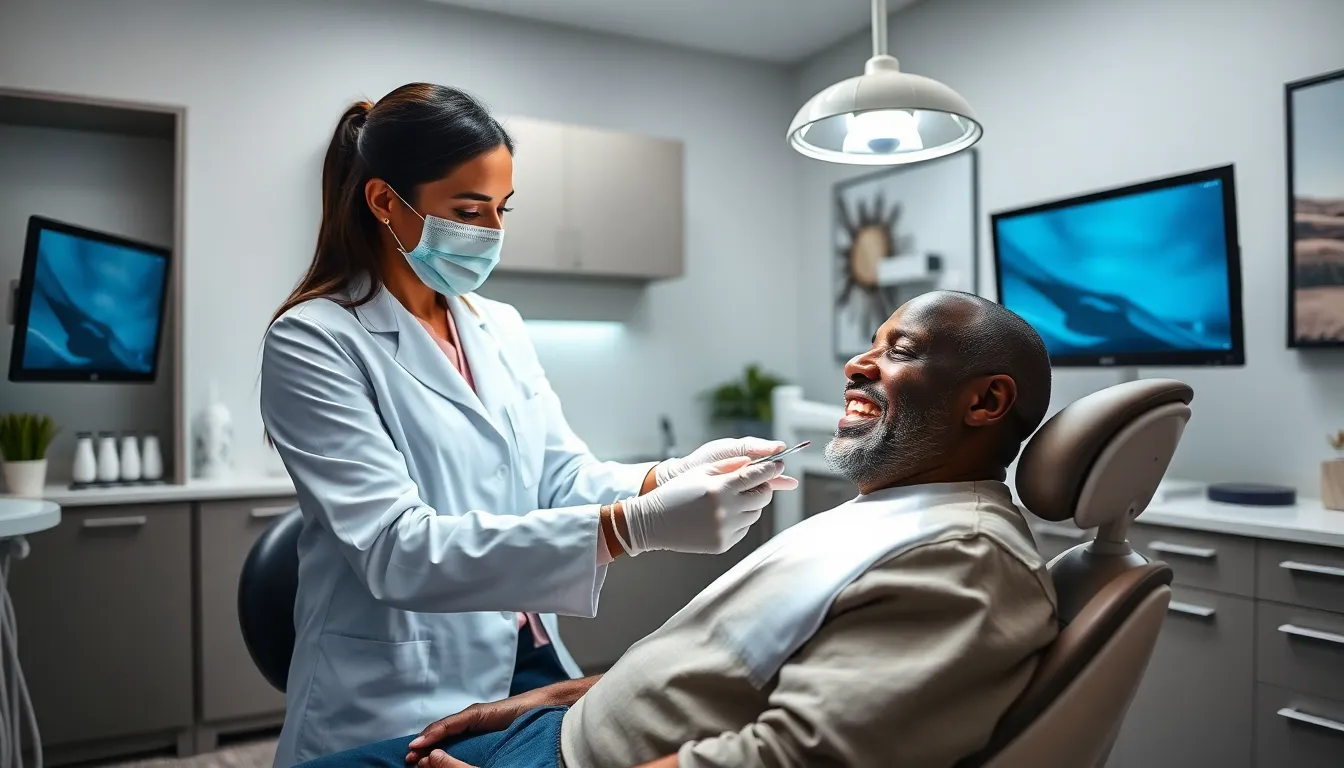
Deep cleaning, or scaling and root planing, isn’t exactly a stroll in the park. It often involves a thorough cleaning below the gum line, targeting plaque and bacteria that a regular cleaning just can’t reach. The procedure typically requires local anesthesia to ensure comfort while the dentist removes tartar and smooths the tooth roots. By doing this, it creates a clean surface for gums to reattach and heal. After the procedure, patients may experience some discomfort or sensitivity, which is all part of the healing journey.
This deep cleaning is crucial for treating gum disease and preventing further issues. Think of it as spring cleaning for your mouth – pretty essential but sometimes a bit grueling.
The Healing Process of Gums
Once the deep cleaning is complete, the healing process kicks into gear. How long does it take for gums to reattach? Generally, the initial healing phase lasts around one to two weeks, but full reattachment might take a bit longer, usually around three to six weeks. This timeline can vary widely based on a person’s health, oral care habits, and the severity of gum disease.
During the healing phase, new tissue begins to form, and that’s what makes reattachment possible. With this in mind, it’s vital to practice good oral hygiene during this time. Gentle brushing and regular rinsing with a prescribed mouthwash can provide significant help.
Factors Influencing Gum Reattachment Time
Several factors can sway the time it takes for gums to properly reattach, it’s not a one-size-fits-all scenario.
- Overall Health: Individuals with underlying health issues such as diabetes may experience a slower healing time. Their bodies may not respond as quickly to the treatment, impacting gum recovery.
- Smoking: Bad habit alert. Smoking greatly inhibits blood flow and reduces the immune response, meaning healing can take longer. Those who smoke have a higher risk of gum disease, making it even more crucial to quit.
- Oral Hygiene Practices: The better the post-care, the quicker the healing. Regular brushing, flossing, and avoiding irritants will give gums a chance to thrive.
- Severity of Gum Disease: If the gums were in pretty rough shape before cleaning, the time for complete healing may be extended. The more damage that’s been done, the more work is required for restoration.
Signs of Proper Healing
How can someone tell if their gums are on the mend? Some good signs to look out for include:
- Reduced swelling and redness
- Less discomfort when brushing or flossing
- Firmness returning to the gums
- Formation of new gum tissue
On the flip side of the coin, if someone notices increased swelling, constant pain, or pus – it’s time to give the dentist a call. These could be signs of complications that need professional attention.
Caring For Your Gums Post-Cleaning
Post-cleaning care makes all the difference. Tips for keeping those gums healthy include:
- Follow-Up Appointments: Don’t skip that check-up. Regular dentist visits will help monitor healing and keep gum disease at bay.
- Gentle Cleaning: Use a soft-bristle toothbrush when brushing and stick with gentle motions to avoid irritating the gums.
- Avoid Irritants: Steer clear of tobacco products and reduce alcohol consumption, as both can exacerbate gum problems.
- Hydration: Drinking plenty of water can help wash away debris and avoid dry mouth, creating a healthier environment for the gums.
When To Contact Your Dentist
People should maintain communication with their dentist during the healing process. If someone experiences persistent pain, excessive swelling, or signs of infection, it’s essential to seek help. Ignoring these symptoms can lead to further complications that might negate the benefits of the deep cleaning. Whenever in doubt, it’s better to be safe than sorry – the dentist’s office is just a phone call away.