


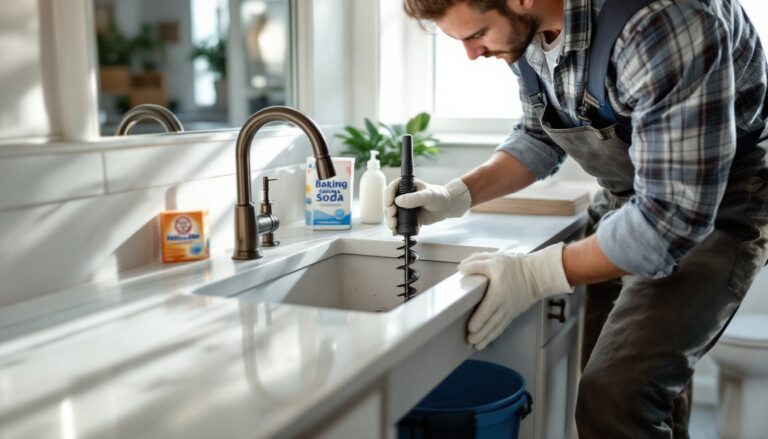




Ever walked into a room and thought, “Wow, this place just feels right?” Well, that’s the magic of design and decor at work. It’s not all about throwing a couple of pillows on a couch. There’s a rich tapestry of principles, colors, and styles that create spaces resonating with harmony. Whether you’re decorating a cozy apartment or a sprawling mansion, there’s a treasure trove of design secrets waiting to be unveiled. So, let’s immerse and explore how to transform any space into a stunning masterpiece.
Understanding Design Principles
Elements Of Interior Design
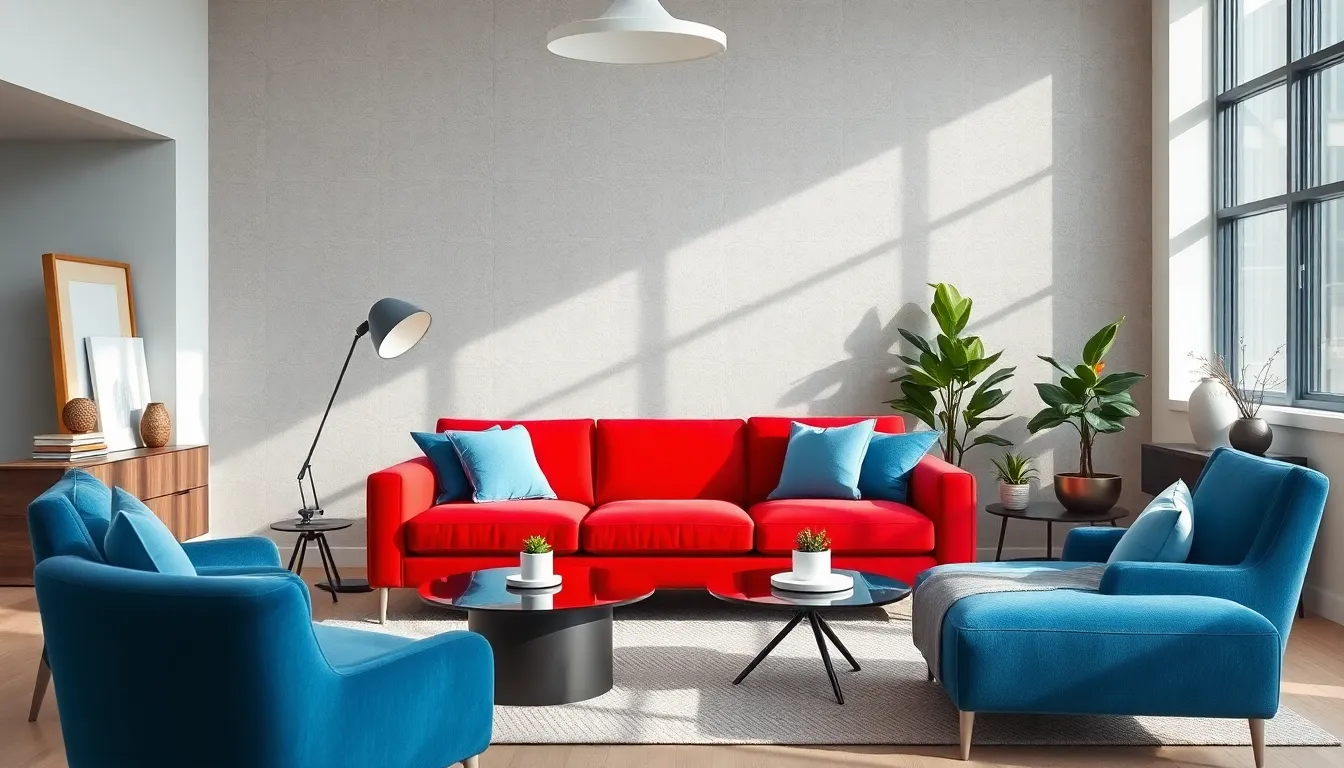
Understanding the elements of interior design is like learning the alphabet before writing a novel. From line and shape to texture and space, these are the building blocks that create a cohesive aesthetic. For instance, lines can direct the eyes, shapes can define areas, and texture adds depth.
Each element works in synergy to craft a narrative within any room, influencing how individuals feel as they move through the space.
Importance Of Color Theory
Next up, let’s talk about color theory. Color is not just about aesthetics: it significantly affects mood and atmosphere. Ever noticed how a vibrant red can energize a space while soft blues tend to calm it? Understanding the color wheel and how to combine colors can lead to stunning results. For instance, pairing complementary colors can create striking contrasts, while analogous color schemes offer cohesion. Knowing when and how to use color can redefine the look and feel of any environment.
Balance And Harmony In Spaces
Achieving balance and harmony in spaces is akin to orchestrating a symphony. It involves arranging furnishings and decor in a manner that feels visually appealing. There are several types of balance: symmetrical, asymmetrical, and radial.
Symmetrical balance involves mirroring elements on either side of a central point, creating a formal look. Asymmetrical balance allows for a more laid-back vibe while still maintaining equilibrium. Radial balance, on the other hand, radiates from a central point, making the arrangement dynamic and inviting. When elements are in harmony, even the most simplistic decor can feel luxurious.
Popular Design Styles
Modern Design Trends
Modern design trends embrace minimalism, functionality, and clean lines. This approach often highlights open spaces and natural light, allowing one’s creativity to flourish. Think neutral palettes with pops of color to maintain vibrancy. Incorporating smart technology seamlessly into these designs is another hallmark, think automated lighting and smart thermostats that enhance convenience and efficiency.
Timeless Decor Ideas
On the other spectrum are timeless decor ideas that stand the test of time. These might include classic pieces like a Chesterfield sofa or an intricate Persian rug. Mixing antique finds with modern sensibilities can create a unique flair that feels both fresh and historically rich. Eventually, timeless decor marries the past and future beautifully.
Incorporating Personal Touches
Incorporating personal touches into the design can turn a house into a home. It’s those individual quirks that tell your story. Art pieces collected from travels, family photos in unique frames, or heirloom furniture items can breathe life into any room. The key is to integrate personal items seamlessly with your chosen design style so that they enhance rather than clutter the space. After all, design and decor should reflect who you are while creating a welcoming environment.
Sustainable Design Practices
In today’s world, sustainable design practices are not just a trend: they’re imperative. Using eco-friendly materials and energy-efficient solutions minimizes environmental impact while still achieving a gorgeous aesthetic. Opting for reclaimed wood, recycled metals, and low-VOC paints can enhance both beauty and sustainability.
Designers are increasingly incorporating biophilic elements, such as indoor plants and natural light, creating healthier environments that foster well-being. Implementing these practices can lead to spaces that don’t just look good but feel good too.