



When it comes to cleaning, ammonia is that secret superhero hiding right under your kitchen sink. It’s the unsung hero of household chores, packing a punch in grime-fighting ability while being surprisingly affordable. Even though its mild odor, ammonia has gained a reputation for its effectiveness, more impressive than your average cleaner. So, get ready to uncover the magic of ammonia cleaning and why it deserves a prime spot in your cleaning arsenal.
What Is Ammonia Cleaning?
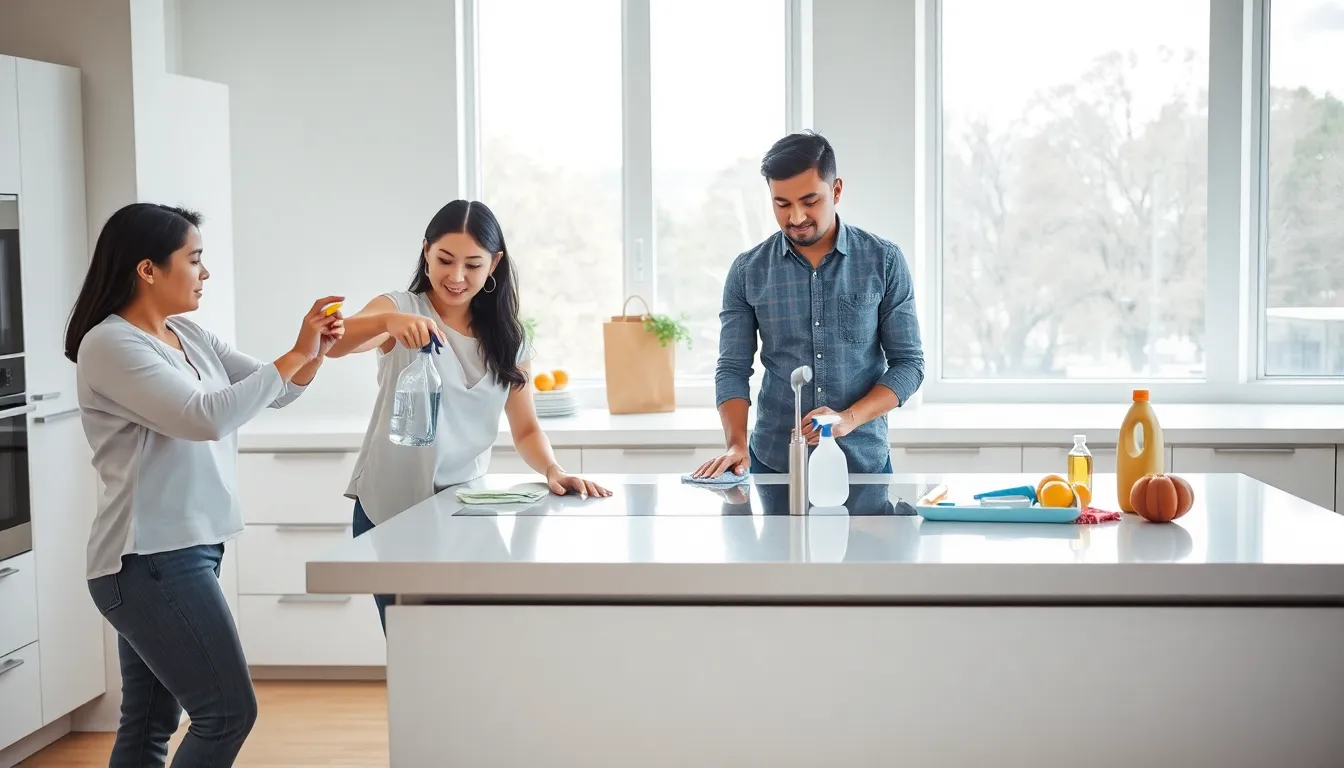
Ammonia cleaning refers to the practice of using ammonia solutions to tackle dirt and grime in various spaces. Ammonia, chemically known as ammonium hydroxide, is a colorless gas with a distinct, pungent odor. When dissolved in water, it transforms into a powerful cleaner. It’s often found in various household cleaning products because of its ability to break down grease, stains, and even soap scum with remarkable efficiency.
The science behind its cleaning power lies in its alkalinity. This alkaline nature allows it to dissolve a wide range of organic materials, making it particularly effective in kitchens and bathrooms where stubborn stains often lurk. Think of ammonia as your reliable sidekick in cleaning: while it may not wear a cape, it gets the job done better than many of its counterparts.
Benefits of Using Ammonia for Cleaning
Employing ammonia in your cleaning routine comes with a bucketful of benefits:
- Cost-Effective: Ammonia is a budget-friendly option, often cheaper than specialized cleaning products.
- Powerful Degreaser: It cuts through tough grease and grime effortlessly, making it a go-to for kitchen cleaning.
- Disinfectant Properties: Not only does it clean, but it also has disinfecting properties, making it useful for sanitizing surfaces.
- Fast Evaporation: Ammonia dries quickly, so you don’t have to worry about waiting long for surfaces to be usable again.
- Versatile: It works on various surfaces, including glass, tiles, and even some fabrics when used correctly.
Common Uses of Ammonia in Household Cleaning
Ammonia can be utilized in numerous ways throughout the home:
- Window Cleaning: A solution of ammonia and water creates a streak-free shine, perfect for clear glass.
- Bathroom Cleaning: It effectively tackles soap scum and mildew in tubs and sinks.
- Kitchen Cleaning: Use it to degrease stovetops, ovens, and countertops.
- Laundry: Ammonia can brighten and remove stains from whites, but it’s important to use it separately from bleach.
- Floor Cleaning: Ammonia is a great addition to mopping solutions, providing a clean surface that shines.
Precautions When Using Ammonia
While ammonia is a powerful cleaning agent, it’s crucial to use it wisely:
How to Safely Use Ammonia for Cleaning
- Ventilation: Always use ammonia in well-ventilated areas. Open windows and doors to allow fresh air to circulate.
- Protective Gear: Wear gloves and, if necessary, a mask to avoid inhaling fumes. Safety should always come first.
- Do Not Mix: Never mix ammonia with bleach or other cleaners. This can create toxic gases that could pose serious health risks.
- Storage: Store ammonia in a cool, dark place, away from children and pets.
- Testing Surfaces: Test ammonia on a small inconspicuous area first, especially on fabrics or delicate surfaces.
Alternatives to Ammonia for Cleaning
If ammonia doesn’t tickle your fancy, don’t fret, there are plenty of alternatives:
- Vinegar: An excellent natural cleaner, vinegar is versatile and also offers antibacterial properties. It’s particularly good for deodorizing.
- Baking Soda: Often used as a gentle abrasive, baking soda can tackle tough stains without scratching surfaces.
- Lemon Juice: Its acidity allows it to break down stains while leaving a fresh scent.
- Commercial Green Cleaners: There are plenty of eco-friendly cleaning solutions available that promise effective results without harsh chemicals.