




Coin collectors often wrestle with the dilemma of cleaning their treasured finds. On one hand, tarnished coins can look less appealing: on the other, improper cleaning methods may erase their historical value. Enter the world of coin cleaning solutions. In this comprehensive guide, we’ll explore the variety of coin cleaning options available, offer best practices, and shed light on the potential pitfalls. Spoiler alert: It’s not just about making those coins shine.
So, if you’re ready to jump into the dos and don’ts of coin cleaning, grab your magnifying glass, put on your detective hat, and let’s get started.
Understanding Coin Cleaning Solutions
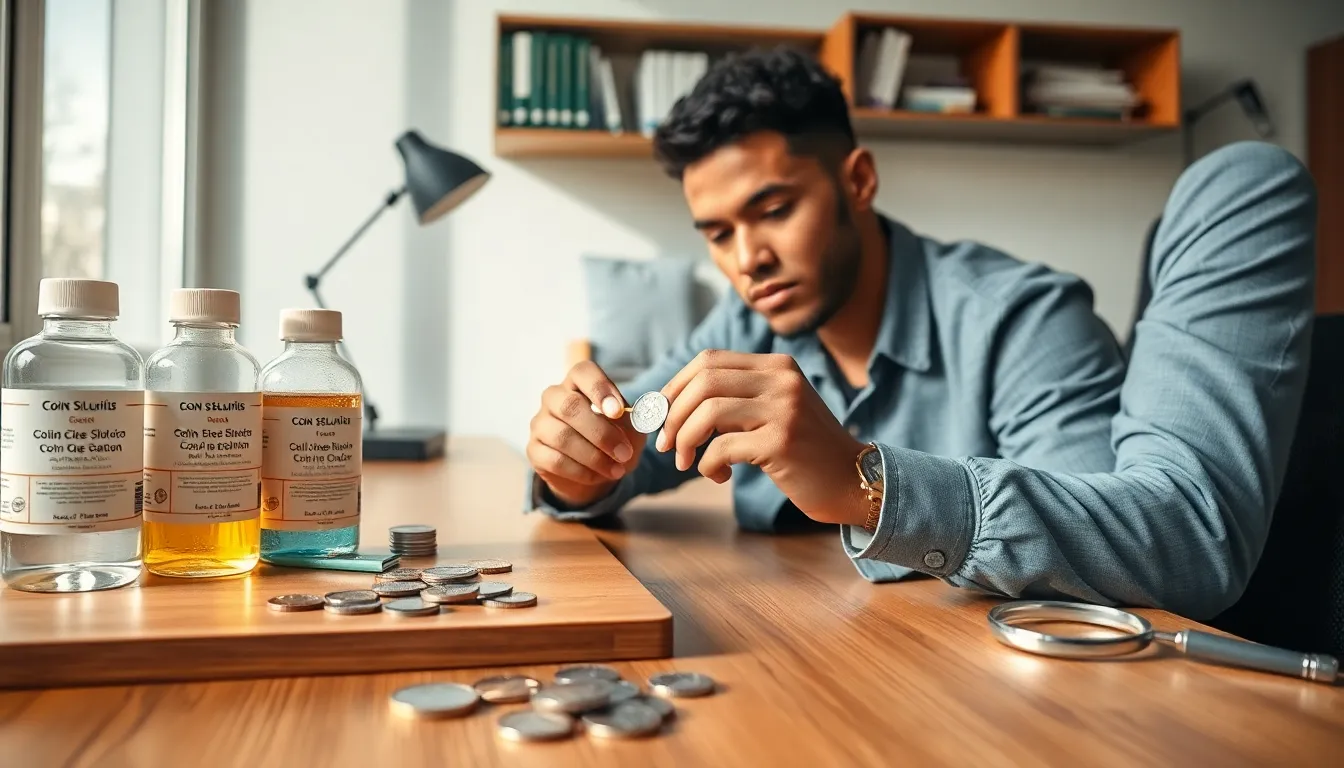
Coin cleaning solutions vary widely, tailored to different materials and coin conditions. A thorough understanding of these solutions is paramount for any collector.
What Are Coin Cleaning Solutions? Coin cleaning solutions are specially formulated liquids or mixtures that help remove dirt, tarnish, and corrosion from coins. They can be store-bought or homemade, based on the condition and type of the coins being cleaned. They serve a practical purpose, but the real skill lies in discerning which solution best suits specific coin types, some solutions are gentle enough for gold and silver, whereas others are more aggressive for copper coins.
Why Clean Coins? Collectors often seek to preserve the aesthetic appeal of their coins. Cleaning enhances the visual aspects, making them more enjoyable to handle and display. But, it’s not just about looks: clean coins can sometimes fetch a better price in the marketplace than their tarnished counterparts.
Types of Coin Cleaning Solutions
Choosing the right coin cleaning solution is anything but straightforward. Here are the most common types:
1. Chemical Solutions
These include acids and chemical agents that can dissolve grime and oxidation. Common options are:
- Acetic Acid: Often found in household vinegar, it can help dissolve minerals and grime.
- Citric Acid: Found in lemons and limes, citric acid can brighten dull coins but should be used with caution to avoid unnecessary damage.
2. Abrasive Solutions
These are often physical aids like cleaning pads or scrubs that remove dirt through friction. While effective, they may also scratch the coin surface, making them a last resort.
3. Ultrasonic Cleaners
The recent technology employs ultrasonic waves to agitate a cleaning solution. This method is effective at reaching tiny crevices and is gentle on coins, making it a preferred choice for many collectors.
Best Practices for Using Coin Cleaning Solutions
Cleaning coins isn’t as straightforward as it might seem, and following best practices can save collectors from making costly mistakes. Here are some key guidelines:
- Test First: Always perform a patch test on a less valuable coin or inconspicuous area to gauge how the cleaning solution interacts with the metal.
- Dilution is Key: When using chemical solutions, dilute them to minimize damage while still achieving effective cleaning.
- Soak, Don’t Scrub: Most cleaning solutions work best when coins soak in them rather than rigorous scrubbing, which can scratch surfaces and diminish appeal.
- Rinse Thoroughly: After cleaning, rinse coins thoroughly with distilled water to remove any remaining cleaning solution and prevent further tarnishing.
Pros and Cons of Coin Cleaning Solutions
Every coin cleaning method has its advantages and drawbacks. Here’s a rundown of the pros and cons:
Pros:
- Improved Aesthetics: Clean coins are visually appealing and can enhance a collection’s overall look.
- Potentially Increased Value: Some buyers appreciate a well-maintained appearance and could be willing to pay more for coins that have been cleaned properly.
Cons:
- Loss of Value: Improper cleaning can strip away patina and historical value, leading to diminished worth. Certain collectors prefer original condition, regardless of tarnish.
- Knowledge and Skill Required: Each coin is unique, meaning collectors need a significant understanding of techniques and solutions, coupled with experience.
Alternative Methods for Cleaning Coins
For those wary of traditional cleaning solutions, several alternative methods exist:
1. Soap and Water
This classic method utilizes mild soap mixed with lukewarm water. While gentle, it still effectively breaks down grime without harsh chemicals.
2. Baking Soda Paste
Creating a paste with baking soda and water makes for a gentle cleaner that can lift tarnish without being abrasive. This method is preferred by those anxious about preserving value.
3. Toothpaste
Believe it or not, plain toothpaste can effectively clean coins thanks to its mild abrasiveness. But, this is a contentious subject in the collector community and should only be tried with caution.
4. Milk Bath
Some collectors swear by soaking coins in whole milk, due to the lactic acid content, which helps remove oxidation.
Preserving the Value of Your Coins
Preserving the value of coins goes beyond merely cleaning them. Here are strategic ways to maintain and even enhance their worth:
- Proper Storage: Use protective holders or cases to prevent scratches and environmental damage.
- Avoid Cleaning Unless Necessary: Many collectors prefer coins in their original, uncleaned state. If a coin isn’t too tarnished, it might be best to leave it as is.
- Consult Experts: When in doubt, seeking advice from professional numismatists or experienced collectors can provide insights into the best care and cleaning processes.