





Ever watched a kid eat a chocolate bar in a brand new car? That moment of horror is akin to seeing a stain on your beloved leather jacket. Leather is luxurious but requires love and care. If you’re wondering how to keep your leather items looking sharp without breaking a sweat, or the bank, you’ve come to the right place. In this ultimate guide, we’ll cover everything you need to know about leather cleaning kits, giving your leather goods the care they deserve without turning you into a cleaning fanatic.
Understanding Leather Types
To effectively clean leather, one must first understand its various types. Leather comes in multiple varieties, including full-grain, top-grain, genuine, and bonded leather.
Full-Grain Leather
This is the crème de la crème of leathers. It retains the natural grain and imperfections of the hide, offering durability and a unique character. With proper care, it can last a lifetime, making it a favorite for premium leather products.
Top-Grain Leather
Slightly less durable than full-grain, top-grain leather is sanded and treated to remove imperfections. While it’s more affordable, it still maintains a good balance of luxury and substance.
Genuine Leather
This type is made from the lower layers of the hide. It’s often more affordable but comes with a trade-off: less durability and a tendency to show wear and tear more quickly.
Bonded Leather
Bonded leather is essentially scraps of leather bonded together to create a cheaper alternative. While it may look good initially, it doesn’t offer the same long-term durability.
Recognizing the type of leather is critical: different types call for different care. Knowing how to differentiate allows users to choose the right products and techniques for effective cleaning.
Essential Components of a Leather Cleaning Kit
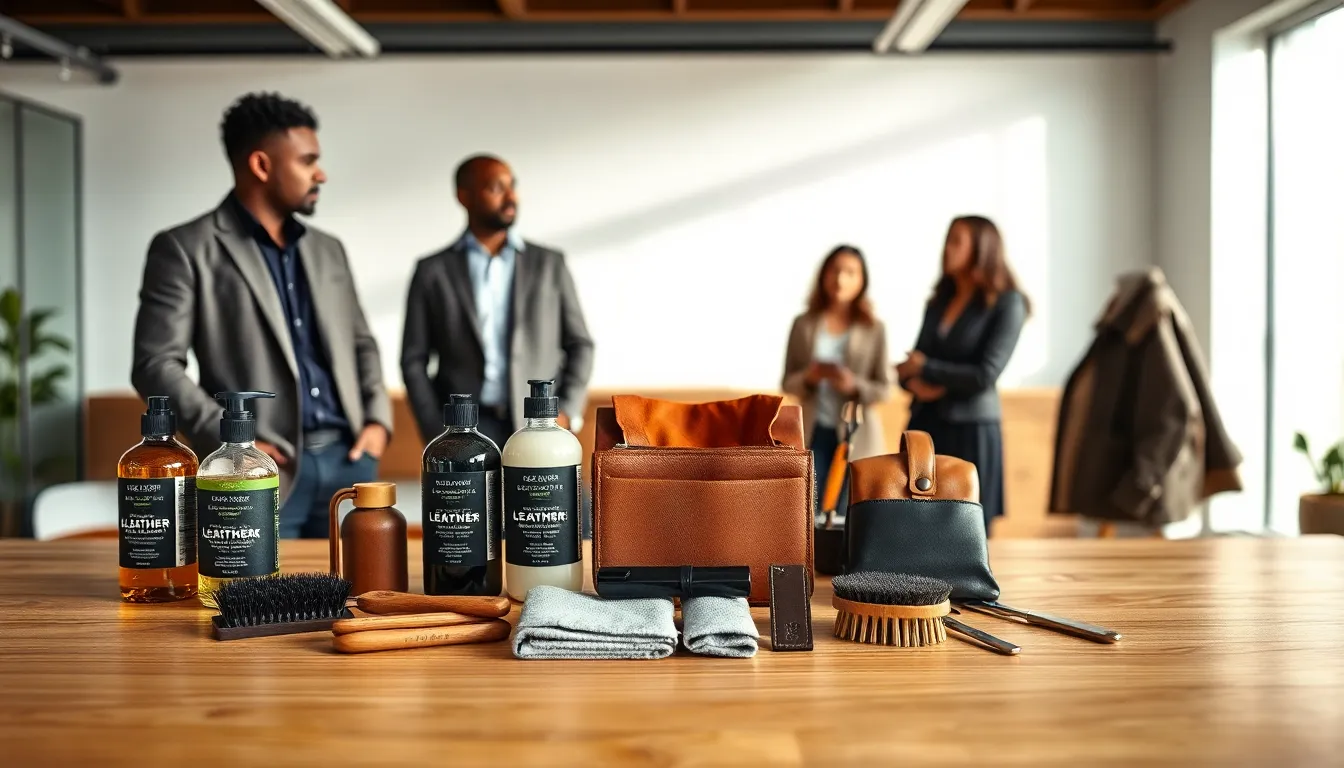
Having the right tools in your leather cleaning arsenal makes all the difference. A well-equipped leather cleaning kit should include the following essentials:
Leather Cleaner
A good leather cleaner is crucial. Look for one that is specifically formulated for your leather type and free of harsh chemicals. This will ensure that you’re cleaning without causing damage.
Soft Cloths
Microfiber cloths are ideal. Their soft texture won’t scratch the leather, making them perfect for cleaning and buffing.
Brushes
A soft-bristled brush can be your best friend when it comes to getting into creases and removing dirt that a cloth might miss.
Leather Conditioner
Just like skin needs moisturizer, leather also needs conditioning. A good conditioner keeps the leather supple and prevents it from drying out.
Waterproofing Spray
For items exposed to the elements, a waterproofing spray can add an extra layer of protection. This spray helps repel water and stains, especially for outdoor gear.
Each component plays a pivotal role in the care regimen. When combined, they work together to maintain the beauty and longevity of leather goods.
Step-by-Step Guide to Cleaning Leather
Cleaning leather doesn’t have to be a chore. Follow these steps for a successful clean:
Step 1: Dust and Debris Removal
Begin by removing dust or loose dirt using a soft cloth or a brush. This prepares the leather for a deeper clean, preventing any grittiness from being rubbed into the material.
Step 2: Apply Leather Cleaner
Dab a small amount of leather cleaner onto a clean microfiber cloth. Avoid soaking the cloth: a little goes a long way. Gently rub the cleaner into the leather in circular motions.
Step 3: Rinse and Wipe
If your cleaner requires rinsing, lightly dampen another cloth with water and wipe the leather to remove any residue. Always avoid soaking the leather, excess water can ruin it.
Step 4: Dry
Once clean, let the leather air dry completely in a shaded area. Avoid direct sunlight, as it can cause fading and warping.
Step 5: Condition
After the leather is dry, apply a leather conditioner. Use a clean cloth to work it in, ensuring it’s evenly distributed. This step is vital for maintaining flexibility and preventing cracks.
Following these steps ensures a thorough clean while preserving the integrity of the leather.
Maintaining Your Leather Items
Keeping leather items in great condition requires a consistent maintenance routine.
Regular Cleaning
Frequency matters. Aim to clean leather goods at least once every 3-6 months, depending on wear and exposure to elements. Regular upkeep not only keeps your leather looking fresh but extends its lifespan.
Proper Storage
Store leather items in a cool, dry place. Avoid plastic bags: they can trap moisture, leading to mold or mildew. Use breathable dust covers for longer-term storage.
Avoid Heavy Exposure
Avoid exposing leather to direct sunlight, heat sources, or humid conditions for extended periods. These can lead to fading, drying, or cracking.
Quick Stain Removal
Act fast. For spills, blot (don’t rub) the area with a soft cloth to absorb as much as possible. The sooner you address a stain, the better the outcome.
Consistency in following these maintenance tips will keep leather looking pristine, enhancing the longevity of your investment.
Common Mistakes to Avoid When Cleaning Leather
Even seasoned leather owners can make missteps. Here are common mistakes to avoid:
Using Harsh Chemicals
Never use bleach or vinegar. These harsh substances can strip leather of its oils, leading to dryness and cracks. Always opt for leather-specific cleaners.
Over-Conditioning
While conditioning is important, overdoing it can create a sticky residue and attract dirt. Stick to a schedule and condition only as needed.
Ignoring Stains
Procrastination can lead to permanent marks. Always tend to stains promptly, following proper cleaning guidelines for best results.
Using the Wrong Products
Not all products are suitable for every type of leather. Double-check that each item in your cleaning kit is appropriate for your specific leather type.
Awareness of these mistakes can lead to better care and preservation of leather items.
Choosing the Right Leather Cleaning Kit
Selecting a quality leather cleaning kit often seems daunting with so many options on the market. Here’s how to narrow it down:
Research Brands
Look for established brands with positive reviews. Trusted brands often use better ingredients and materials, yielding effective results.
Component Quality
Evaluate what’s included in the kit. Kits should feature safe, high-quality products tailored to your specific leather type.
Purchase Size
Consider how much you will use the kit. If your leather items are minimal, avoid oversized kits. A smaller, quality kit might better suit your needs.
Availability of Support
Some brands offer customer service or detailed instructions. Availability of support can be a lifesaver for those new to leather care.
By choosing wisely, you ensure that your leather cleaning endeavors are successful and effective.