

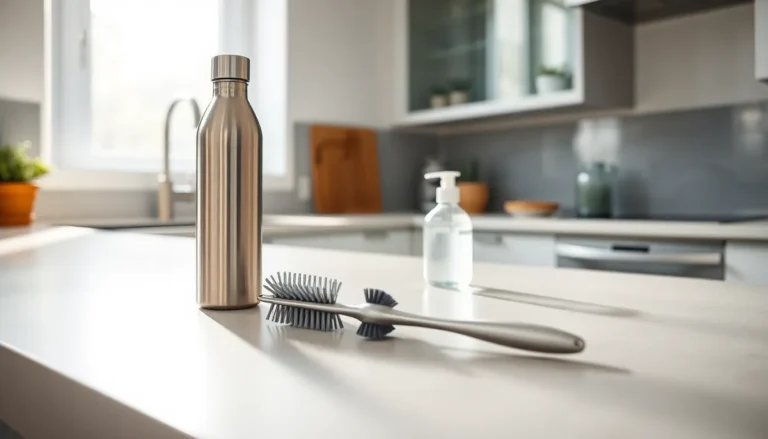





Cleaning a whole house can feel like preparing for a marathon—daunting and exhausting. But with the right game plan, it can transform from a dreaded chore into a satisfying accomplishment. A whole house cleaning checklist is the secret weapon that turns chaos into order, helping anyone tackle even the messiest of homes without losing their sanity (or sense of humor).
Understanding Whole House Cleaning Checklist
A whole house cleaning checklist simplifies extensive cleaning tasks. This organized list breaks down areas and items needing attention, ensuring nothing gets overlooked. By following this structured approach, one can maintain cleanliness without unnecessary stress.
Focus areas typically include living rooms, kitchens, bathrooms, and bedrooms, each with specific tasks. For instance, in the kitchen, wipe down countertops, clean appliances, and sanitize sinks. In bathrooms, scrub toilets, clean mirrors, and disinfect countertops. Prioritizing tasks enhances efficiency and effectiveness.
Utilizing a checklist helps manage time and resources. Assign realistic time frames for each task to prevent burnout. Starting with high-traffic areas often makes a noticeable difference, boosting motivation. As cleaning progresses, revisit the checklist to track accomplishments and ensure thoroughness.
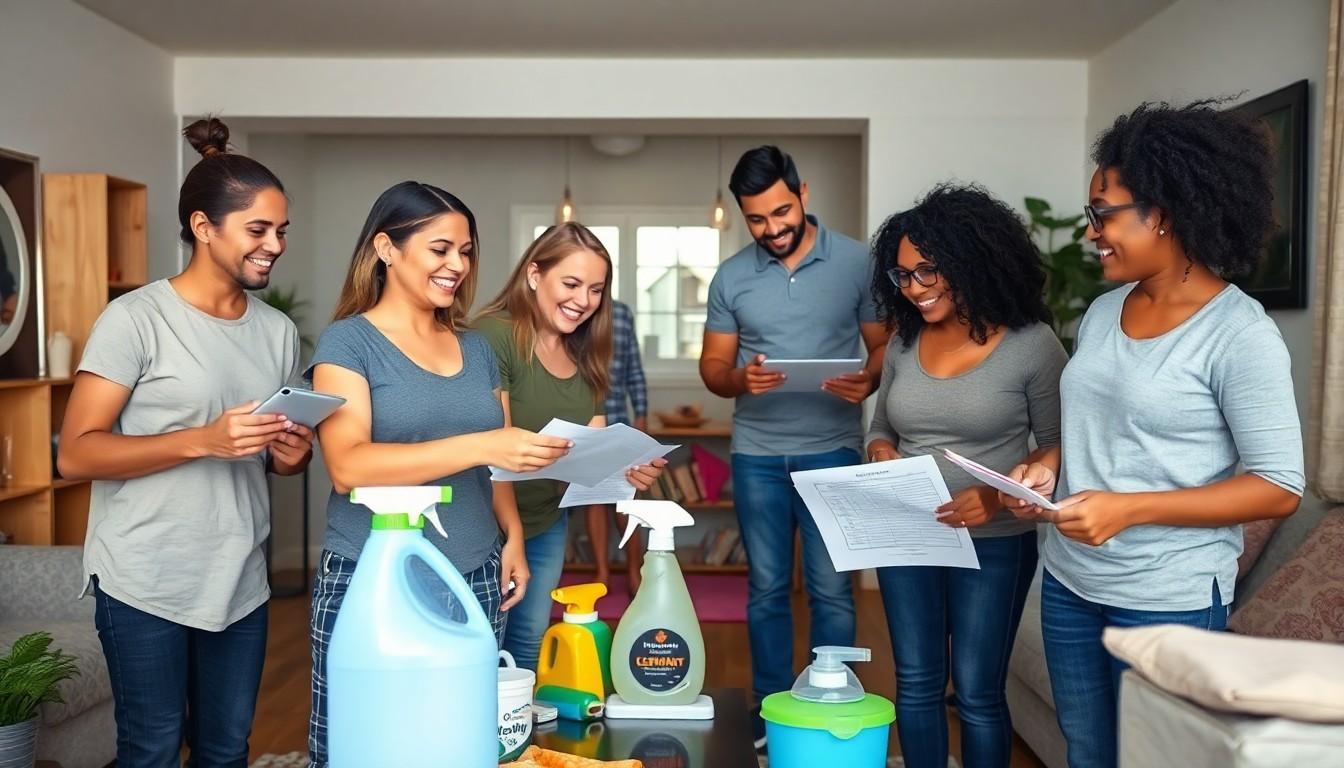
Involving family members in the process can also streamline cleaning efforts. Assigning responsibility for specific areas or tasks fosters teamwork. This communal approach not only distributes workload but also instills a sense of shared achievement.
Incorporating seasonal deep cleaning tasks into the checklist can improve overall home maintenance. Tasks like moving furniture to clean underneath, washing windows, and evaluating storage areas contribute to long-term cleanliness. Creating a separate section in the checklist for these seasonal tasks ensures they remain a priority.
A well-structured whole house cleaning checklist ultimately transforms cleaning into a manageable and rewarding activity. Emphasizing organization and cooperation fosters a positive environment, making cleaning less daunting and more satisfying. Keeping this checklist handy can facilitate repeated efforts, promoting lasting cleanliness throughout the home.
Benefits Of A Whole House Cleaning Checklist
A whole house cleaning checklist provides numerous advantages. This tool streamlines cleaning tasks, ensuring a systematic approach to maintaining a tidy home.
Improved Organization
Improved organization occurs when tasks are clearly outlined. The checklist categorizes cleaning by rooms and areas, such as kitchens, bathrooms, and living spaces. Clarity leads to completing tasks more effectively. Each item on the list serves as a reminder, reducing the chances of forgetting important duties. Focused organization encourages individuals to tackle one area at a time, minimizing overwhelm. Regularly using the checklist fosters consistent cleaning habits. This method enhances overall organization not only in cleaning but also in daily routines.
Time Efficiency
Time efficiency significantly increases with a whole house cleaning checklist. By breaking down tasks, individuals can allocate specific time blocks for each area. This approach eliminates wasted time spent deciding what to clean next. Setting priorities within the checklist ensures that high-traffic areas receive attention first. Having a predetermined list allows for quicker cleanups, facilitating movement from one task to another seamlessly. Individuals can also assess how long each section takes, enabling better scheduling in the future. Over time, this results in cleaner homes without excessive time commitments.
Essential Items For Your Whole House Cleaning Checklist
A comprehensive cleaning checklist requires essential supplies and tools. These items streamline the cleaning process and ensure effective results.
Cleaning Supplies
Quality cleaning supplies are crucial for deep cleaning every surface in a home. All-purpose cleaner tackles various surfaces, including countertops and appliances. Glass cleaner provides a streak-free shine on windows and mirrors. Microfiber cloths trap dust and dirt without spreading it around. Disinfectant wipes ensure quick sanitization of frequently touched areas. Garbage bags allow for easy disposal of waste during the cleaning process. Specific cleaners for bathrooms and kitchens address the distinct messes often found in these spaces.
Tools And Equipment
Essential tools boost efficiency during house cleaning. A vacuum cleaner effectively removes dirt and allergens from carpets and floors. Brooms and dustpans handle debris on hard surfaces. Mops, whether traditional or steam, ensure sanitized floors. Additionally, a scrubbing brush loosens stubborn grime in bathrooms and kitchens. Extendable dusters reach high or tricky areas like ceiling fans. A caddy keeps cleaning supplies organized and easily accessible. These tools elevate the cleaning experience, making it more efficient and thorough.
Step-By-Step Guide To Creating Your Own Checklist
Creating a customized whole house cleaning checklist streamlines the cleaning process. This guide outlines essential steps for an effective checklist.
Room By Room Breakdown
Start by listing all rooms in the house. Each room requires specific attention, so prioritize high-traffic areas first. Living rooms often need dusting, vacuuming, and organizing. Kitchens require surface cleaning, appliance maintenance, and floor scrubbing. Bathrooms involve disinfecting sinks, toilets, and tubs, along with mirror cleaning. Bedrooms benefit from dusting, vacuuming carpets, and changing linens. Closets should also receive attention, especially when decluttering. By breaking tasks down room by room, individuals maintain focus and ensure a thorough clean, enhancing overall efficiency.
Frequency Of Cleaning Tasks
Assign cleaning tasks based on their frequency. Daily tasks include making the bed, washing dishes, and wiping down kitchen counters. Weekly tasks often involve vacuuming carpets, mopping floors, and changing bedding. Monthly tasks typically cover deep cleaning areas such as appliances and windows. Seasonal tasks should address items like closet organization and carpet cleaning. It becomes easier to maintain cleanliness with this structured frequency, as individuals can allocate time accordingly. By understanding when to perform each task, they can regulate cleaning routines effectively.
Tips For Maintaining A Clean Home
Establish a cleaning routine to help maintain a tidy environment. A daily schedule for high-traffic areas keeps messes from piling up. Incorporate quick, consistent tasks like wiping down surfaces and picking up clutter.
Utilize the checklist for weekly cleaning to stay organized. Prioritize tasks according to their frequency, addressing areas that require more attention. For example, vacuuming carpets and mopping floors should occur weekly while dusting can happen every other week.
Involve family members in cleaning efforts to share the workload. Assign specific tasks to each member based on age and ability. When everyone contributes, cleaning becomes a collective responsibility, fostering teamwork.
Organize cleaning supplies in a caddy for easy access. Store frequently used items together to save time during cleaning sessions. Create an inventory of supplies, ensuring everyone knows where to find cleaning essentials.
Celebrate small victories to motivate ongoing efforts. Rewarding oneself after completing chores creates a sense of accomplishment. Recognizing progress, no matter how minor, encourages continued commitment to maintaining a clean home.
Implement seasonal deep cleaning tasks as part of the maintenance strategy. Ensure these tasks fit within the overall cleaning schedule, such as washing windows or decluttering closets. Regularly revisiting these areas prevents dirt and clutter from accumulating over time.
Rotate tasks among family members to keep things fresh. Switching responsibilities can make cleaning more engaging. Everyone benefits from the opportunity to explore different areas of the home.
A whole house cleaning checklist can truly revolutionize the way individuals approach home cleaning. By breaking down tasks and focusing on specific areas, it not only makes the process more manageable but also more enjoyable. With the right supplies and a well-structured plan, cleaning no longer feels like an overwhelming marathon but rather a series of achievable steps.
Involving family members adds a collaborative spirit to the effort, making it a shared responsibility. Establishing a routine and celebrating small wins keeps motivation high and ensures long-term cleanliness. With this checklist in hand, anyone can maintain a tidy and inviting home, creating a space that’s not just clean but also a joy to live in.