




Navigating the world of tenant-landlord relationships can feel like walking a tightrope while juggling flaming swords. On one side, you’ve got the landlord, eager to protect their investment. On the other, the tenant, just trying to find a cozy home without stepping on any toes. It’s a delicate dance where communication is key, and a little humor can go a long way.
Understanding this dynamic isn’t just about knowing who pays the rent; it’s about creating a harmonious living environment. When both parties play nice, everyone wins—tenants enjoy a peaceful abode while landlords keep their properties in tip-top shape. So buckle up as we dive into the quirky yet essential world of tenant-landlord relationships, where empathy meets legality, and perhaps a few laughs along the way.
Understanding Tenant-Landlord Relationships
Tenant-landlord relationships comprise interactions between tenants and landlords. This relationship involves both parties working together to create a respectful and compliant living environment.
Definition of Tenant-Landlord Relationships
Tenant-landlord relationships encompass the obligations and expectations of tenants and landlords. Tenants pay rent in exchange for housing, while landlords provide a habitable space. Legal agreements outline these responsibilities, ensuring clarity and protection for both parties. Respect for rights fosters a positive atmosphere. Open communication serves as the cornerstone of these interactions, allowing concerns and needs to be addressed promptly.
Importance of Healthy Relationships
Healthy relationships contribute significantly to a stable living situation. Trust establishes a solid foundation, enabling tenants to voice concerns without fear. Landlords benefit from satisfied tenants who take care of the property. Clear communication minimizes misunderstandings, promoting timely resolution of issues. Cooperative interactions lead to longer tenancies, ultimately benefiting both parties economically. Investing time in nurturing these relationships proves essential for creating a harmonious living environment.
Common Issues in Tenant-Landlord Relationships
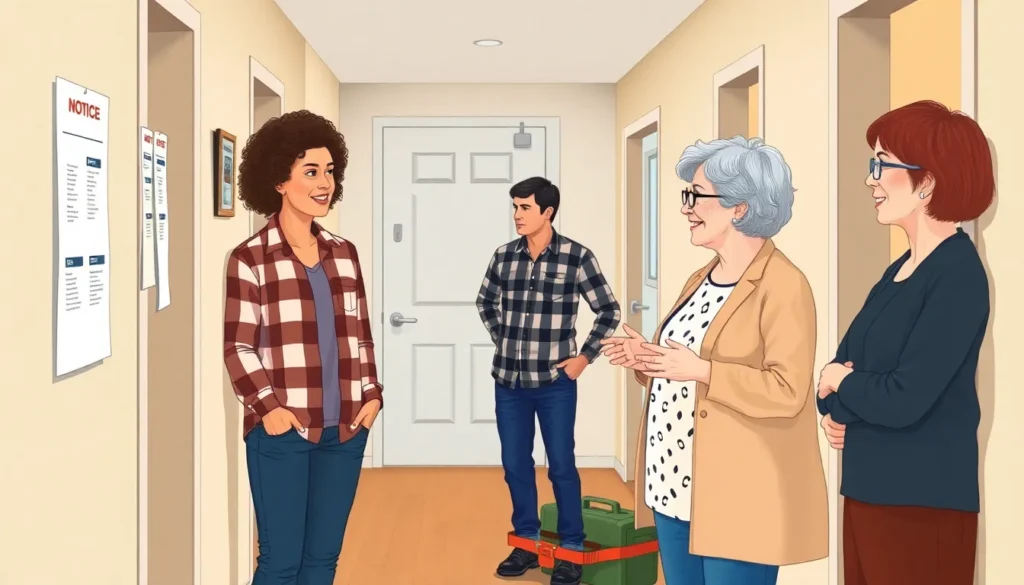
Communication issues frequently emerge in tenant-landlord interactions. Misunderstandings often arise when tenants feel their concerns aren’t acknowledged. When landlords fail to respond timely, frustration builds. Regular check-ins help mitigate tensions. Strong relationships thrive on open dialogue, making it essential for both parties to express expectations clearly.
Maintenance and repair disputes regularly challenge tenant-landlord relationships. Tenants expect timely responses to maintenance issues, while landlords prioritize cost-effective solutions. Delays in repairs can lead to dissatisfaction. Keeping detailed records of repair requests contributes to clarity. Involving third-party services for significant repairs can foster trust and ensure compliance with housing standards. A proactive maintenance approach reduces conflicts and enhances tenant satisfaction.
Legal Aspects of Tenant-Landlord Relationships
Understanding the legal framework governing tenant-landlord relationships is vital for both parties. Knowledge of rights and responsibilities helps maintain a positive living situation.
Tenant Rights and Responsibilities
Tenants possess specific legal rights ensuring safe and habitable conditions. These rights include receiving proper notice before eviction, privacy within their rented space, and a right to repairs when issues arise. Responsibility also falls on tenants to pay rent punctually, keep the property clean, and respect the lease terms. Documenting interactions with landlords can provide clarity if disputes surface. Familiarity with local tenant laws further empowers tenants to navigate their rights confidently.
Landlord Rights and Obligations
Landlords retain rights that protect their property and investment. They can collect rent on time and enter the unit under reasonable notice for repairs or inspections. Providing a habitable living environment forms a crucial obligation. Promptly addressing maintenance issues and respecting tenants’ privacy are also essential. Terms outlined in lease agreements govern these rights and responsibilities, minimizing misunderstandings. Legal frameworks vary, so landlords must stay informed about specific laws in their area to ensure compliance and protect both their interests and those of their tenants.
Building Positive Tenant-Landlord Relationships
Building a strong tenant-landlord relationship requires consistent effort and interaction. Effective communication plays a crucial role in creating a harmonious environment.
Effective Communication Strategies
Regular updates create transparency, fostering trust between tenants and landlords. Utilizing various channels, such as emails or phone calls, ensures both parties stay informed. Always addressing concerns promptly prevents misunderstandings from escalating. Open discussions encourage renters to express their needs and preferences, leading to better satisfaction. Encouraging feedback also allows landlords to improve their services, adapting to tenant expectations. Lastly, setting clear expectations from the beginning strengthens the relationship, providing a solid foundation for future interactions.
Conflict Resolution Techniques
When conflicts arise, addressing them quickly can prevent escalation. Utilizing active listening helps both parties feel heard and valued. Finding common ground allows for collaborative solutions, fostering a sense of partnership. Documenting conversations provides clarity and serves as a reference for future discussions. In cases where disputes persist, seeking mediation might be beneficial. This third-party perspective can offer unbiased solutions, easing tensions. Ultimately, focusing on resolution rather than blame encourages a cooperative atmosphere, enhancing overall satisfaction.
A thriving tenant-landlord relationship hinges on mutual respect and proactive communication. By fostering an environment of openness both parties can navigate challenges with ease. When tenants feel heard and landlords respond promptly to concerns trust flourishes, leading to longer tenancies and a more harmonious living situation.
Understanding the legal framework further empowers both parties to uphold their rights and responsibilities. This knowledge not only prevents conflicts but also encourages a collaborative approach to problem-solving. Ultimately, prioritizing effective communication and addressing issues as they arise can transform a transactional relationship into a supportive partnership that benefits everyone involved.