
Table of Contents
ToggleA slow drain is a slow burn, literally. What starts as water backing up in the kitchen sink can turn into a full-blown plumbing nightmare if left unchecked. Most homeowners eventually face a clogged drain, and when they do, they’re hunting for affordable, reliable solutions. Finding drain cleaning specials near you doesn’t have to mean calling the first service in a Google search or overpaying for emergency rates. This guide walks you through the smart way to locate drain cleaning specials in your area, what separates a solid service from an overpriced trap, and when it’s worth doing the work yourself versus handing it off to a pro.
Key Takeaways
- Know when to DIY versus hiring a professional: simple hair and soap clogs respond to a plunger or drain snake ($20–$50), while tree roots, grease buildup, and main sewer line issues require professional help to avoid costly damage.
- Find drain cleaning specials near you by searching Google Maps, Yelp, and local directories, then call 3–4 candidates directly to ask about unadvertised discounts and current promotions.
- Understand pricing models before booking: plunging costs $100–$150, motor-driven snaking runs $150–$300, hydro-jetting reaches $250–$500+, and camera inspections add $300–$500 but identify the root cause.
- Spot red flags to avoid overpriced services: unlicensed contractors, vague estimates without diagnosis, pressure to bundle unnecessary services, and lack of written warranties are warning signs of poor quality.
- Seek quality providers with licensing, detailed written estimates, transparent communication, and professional warranties (24 hours to 30 days), and compare at least two quotes to ensure you’re not overpaying for drain cleaning.
- Average drain cleaning costs $150–$300 regionally, so get multiple quotes and consider that a slightly higher upfront cost for a reputable service often prevents expensive repeat calls within weeks.
When To Call a Professional vs. DIY Drain Maintenance
Not every drain issue requires a professional plumber. Understanding the difference saves time and money.
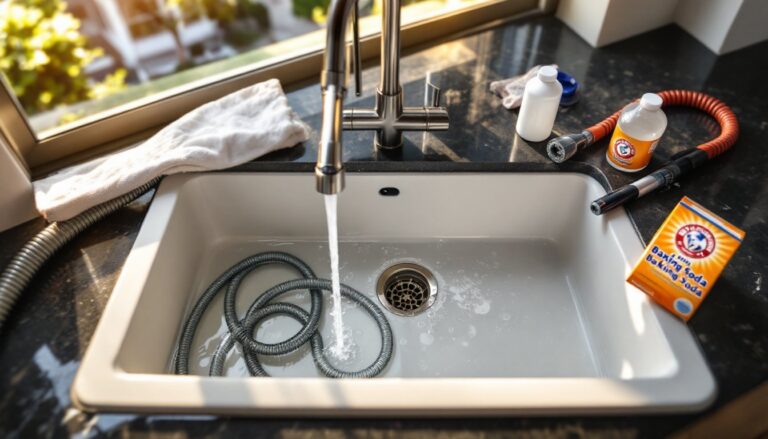
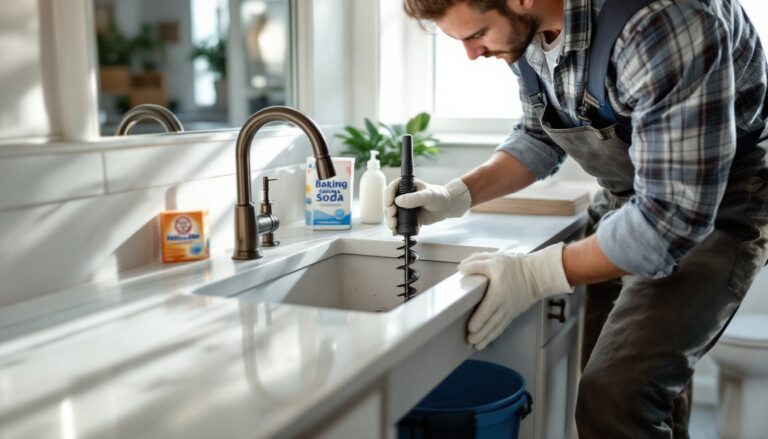
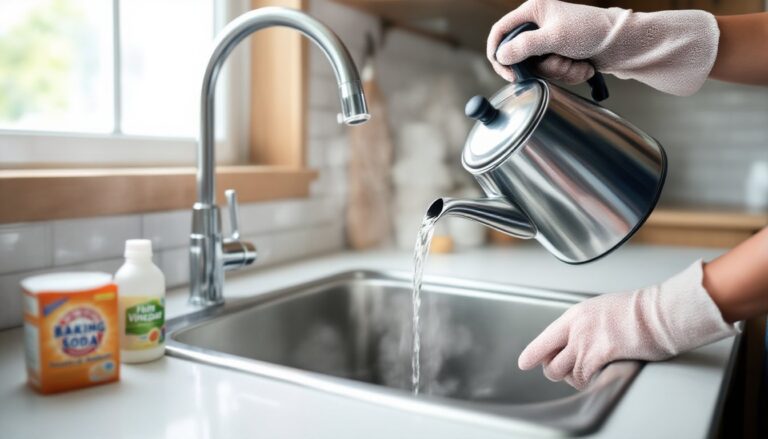
Simple clogs in showers, sinks, or tubs caused by hair and soap often respond to a plunger or a drain snake (a flexible auger that runs $15–$40 at any hardware store). A hand-crank or electric drain snake works for most household drains and takes 20 minutes if you’re comfortable working in tight spaces.
Tree roots, crushed pipes, or kitchen grease buildup that’s hardened over years? That’s professional territory. Roots penetrate pipes, grease traps harden like concrete, and collapsed sections need video inspection to pinpoint the problem. Trying to snake these DIY will either fail or damage the line further, and you’ll end up paying double to fix your mistake.
Build-up in your main sewer line also signals “call a pro.” The average homeowner doesn’t have access to the high-pressure jetting equipment needed to clear it safely. Structural issues, slow drains across multiple fixtures, or sewage backup are red flags for professionals only.
Your cost metric: A basic DIY plunger or snake run costs $20–$50 in tools. A professional service call typically runs $150–$300 for a standard cleaning, more for jetting or camera inspection. If you can resolve it in an afternoon with a plunger, do it. If you’re staring at a 30-year-old cast-iron drain with chronic issues, hiring someone is the smarter move.
How To Find Drain Cleaning Specials in Your Area
Online Search Strategies and Local Directories
Start with a targeted search. Type “drain cleaning specials near me” or “affordable drain cleaning [your city]” into Google, algorithm-friendly phrasing that actual services use in their local ads and landing pages.
Check Google Maps and Google Business Profiles directly. These show customer reviews, service areas, and most importantly, promotional banners if the company has posted current specials. Many plumbers offer seasonal discounts (spring cleaning pushes, winter freeze-related clogs) listed right there.
Yelp, Angie’s List, and platforms like Angi let you filter by service type and sort by price range, rating, and recent reviews. Read past the five-star fluff, look at the 3- and 4-star reviews, which often contain the most honest feedback. Watch for patterns. One complaint about a missed appointment is noise: five complaints about hidden charges are a pattern.
Facebook and Nextdoor often have local plumbers advertising specials directly, and neighbors share honest experiences in comments. It’s unfiltered, sometimes messy, but real. Local business directories specific to your city or county website also list licensed contractors, a sign they’ve met baseline credentialing.
When you’ve narrowed it to three or four candidates, call and ask directly: “Do you have any current specials or discounts?” Not all promotions are advertised online. A first-time customer discount, bundled service rates, or off-season pricing often come up in conversation.
Understanding What You’re Paying For
Common Pricing Models and Service Offerings
Drain cleaning isn’t a flat fee. Knowing what you’re buying prevents sticker shock.
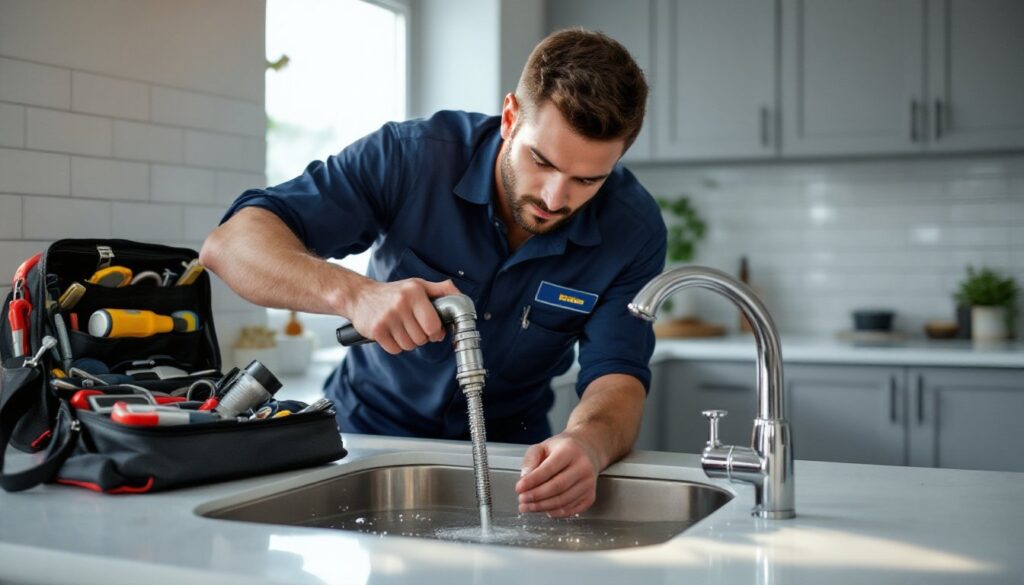
Plunging or hand-snaking a single drain fixture is the cheapest service, usually $100–$150 for a service call. The technician arrives, diagnoses, applies a plunger or pushes a hand auger through, and leaves. If it clears, you’re done. If not, they’ll recommend further options.
Motor-driven drain snaking runs deeper and clears stubborn buildup. Expect $150–$300 depending on pipe depth and clog severity. This works for kitchen sink grease, bathroom clogs, and toilet stoppages that hand tools won’t touch.
Hydro-jetting or pressure jetting is the heavy artillery, a high-pressure water stream (1500+ PSI) that blasts away buildup, roots, and grease. Cost: $250–$500+ because it requires a truck, specialized equipment, and skilled operation. It’s worth it for recurring problems or tree-root intrusion, not a first-line solution.
Camera inspection (sewer scope) adds $300–$500 to a bill but saves guesswork. The technician threads a camera down your drain to identify the exact problem, is it roots, a collapsed section, or buildup? Without this, you’re throwing money at symptoms, not causes.
Service call fees ($50–$150) are sometimes waived if you book a full cleaning. Ask upfront. Many promotional specials bundle the diagnosis and initial clearing, so compare apples-to-apples quotes, not just the headline price.
Research from HomeAdvisor shows that homeowners pay an average of $150–$300 for standard drain cleaning, with regional variation. Coastal urban areas run higher: rural regions may be lower. Get at least two quotes before booking.
Red Flags and How To Spot a Quality Service Provider
Not all plumbers are created equal. A few warning signs separate trustworthy pros from overpriced or careless ones.
Unlicensed or uninsured contractors are a trap. Ask for a license number and proof of liability insurance before anyone steps foot in your home. A legitimate plumber will produce this in seconds: someone dodging the question is dodging responsibility. Most states require plumbers to be licensed: if they aren’t, they’re either operating illegally or weren’t held to professional standards.
**Vague estimates.” “It could be $200, could be $800” isn’t a quote, it’s a blank check. A professional diagnoses first (usually with a phone conversation or brief site visit), then gives a range and explains what determines the final cost. Surprises should be minimal, and any extra work discussed and approved before proceeding.
Pressure to buy services you didn’t call for. You called about a clogged sink: the tech recommends sewer jetting, camera inspection, and root treatment all at once? Maybe. Or maybe they’re padding the bill. Reputable shops diagnose the immediate problem, fix it, and offer optional upgrades if recurrence is likely. They don’t manufacture urgency.
No written agreement or warranty. Legitimate plumbers provide a written estimate and typically guarantee their work (24 hours to 30 days, depending on the job). If they leave no receipt or verbal agreement only, there’s no recourse if the problem returns in a week.
Rave-review perfection. Five stars across the board, zero complaints? Suspicious. Real businesses occasionally have scheduling mishaps or personality clashes. Look for 4.5+ stars with diverse feedback and recent reviews (within 6 months).
Quality signs: Licensed and insured, detailed written estimates, willingness to explain the diagnosis, warranties on work, and honest communication about what can wait and what’s urgent. If you’re searching for practical tips for finding cleaning services, the same vetting principles apply across home service categories.
Conclusion
Finding drain cleaning specials in 2026 comes down to smart searching, honest diagnosis, and knowing what you’re paying for. Start with online directories and direct calls, get multiple quotes, ask about current promotions, and vet credentials before booking. A $200 service that solves the problem beats a $100 gamble that leaves you with a clogged drain and wasted time. Do the legwork now: your pipes, and your wallet, will thank you.