




Table of Contents
ToggleDrain problems don’t announce themselves politely, they show up as slow-draining sinks, mysterious gurgles, or worse, backups that wreck a bathroom or kitchen. Tacoma’s older homes, heavy rainfall, and mineral-rich water create a perfect storm for clogs and buildup. Whether you’re dealing with a sluggish shower or a full blockage, you don’t always need to call a professional right away. With the right approach and a little elbow grease, many homeowners can tackle drain cleaning themselves. This guide walks you through what actually works, what signs mean you need professional help, and how to keep your drains flowing freely for years to come.
Key Takeaways
- Drain cleaning in Tacoma requires attention to local challenges like older cast iron pipes, heavy rainfall, and mineral-rich water that accelerate clogs and buildup.
- DIY methods like baking soda and vinegar work well for light clogs and maintenance, while plungers and drain snakes ($15–$40) can handle stubborn blockages before you need professional help.
- Call a professional drain cleaning service if multiple drains back up simultaneously, you smell sewage, or basic methods don’t improve slow drains within two weeks.
- Prevention through hair strainers, grease management, monthly baking soda flushes, and lint traps keeps drains flowing freely and avoids expensive emergency repairs.
- Regular drain maintenance catches problems early and extends pipe life, protecting against thousands in damage from backed-up sewer lines or water damage to your home.
Why Drain Maintenance Matters in Tacoma Homes
Tacoma’s climate and housing stock create unique drain challenges. The Pacific Northwest’s frequent rain means gutters and foundation drains work overtime, and settled homes often have cast iron pipes, excellent when new, but prone to rust and corrosion after 50+ years. Water hardness varies across the region, and mineral deposits build up faster in some neighborhoods than others.
Neglecting drain maintenance costs real money. A slow drain today becomes a clogged drain tomorrow, which becomes a backed-up sewer line next month. That progression can lead to thousands in repairs, water damage, or emergency service calls at midnight. Regular cleaning extends the life of your pipes, prevents emergencies, and keeps your plumbing system working like it should.
Regular maintenance also catches problems early. When you’re actively working on your drains, you notice changes in flow, smell, or noise that signal deeper issues. Small clogs respond to simple tools: major blockages or structural damage require professionals. Staying on top of it puts you in control instead of waiting for crisis mode.
Common Causes of Drain Clogs in the Pacific Northwest
Understanding what’s blocking your drain helps you fix it faster and prevent it from happening again. Hair is the most common culprit in bathrooms, a single drain can trap months of hair matted together with soap residue and skin cells. Kitchen drains fall victim to grease, food particles, and starches that solidify as they cool. Even “small” amounts of grease accumulate into stubborn blockages over time.
Tacoma-specific factors matter too. Mineral deposits from our water chemistry coat the inside of pipes, narrowing the opening where water flows. Older cast iron drains rust from the inside out, creating rough surfaces where debris catches and builds. Tree roots sometimes penetrate aging sewer lines during heavy rain when soil saturation creates cracks, this requires professional excavation and isn’t a DIY fix.
Other common problems include soap buildup, lint from washing machines, and debris washed down from gutters during storms. Some homeowners live in areas where the municipal water has higher iron or calcium content, accelerating mineral accumulation. Knowing your home’s age, pipe material, and local water chemistry helps you predict and prevent the problems most likely to hit your house.
DIY Drain Cleaning Methods That Actually Work
Using Baking Soda and Vinegar for Natural Cleaning
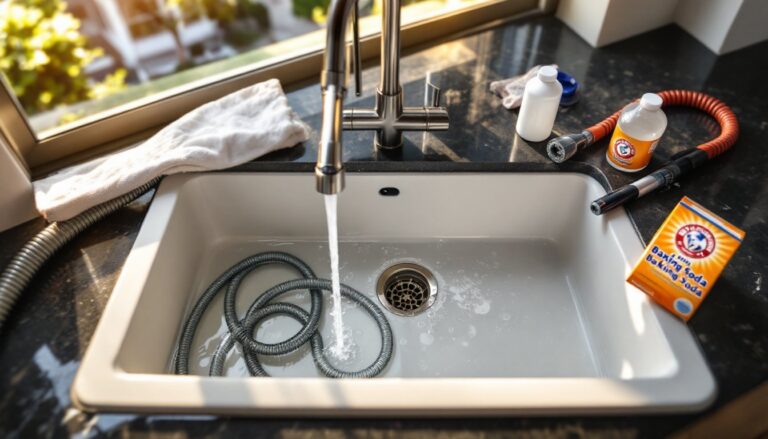
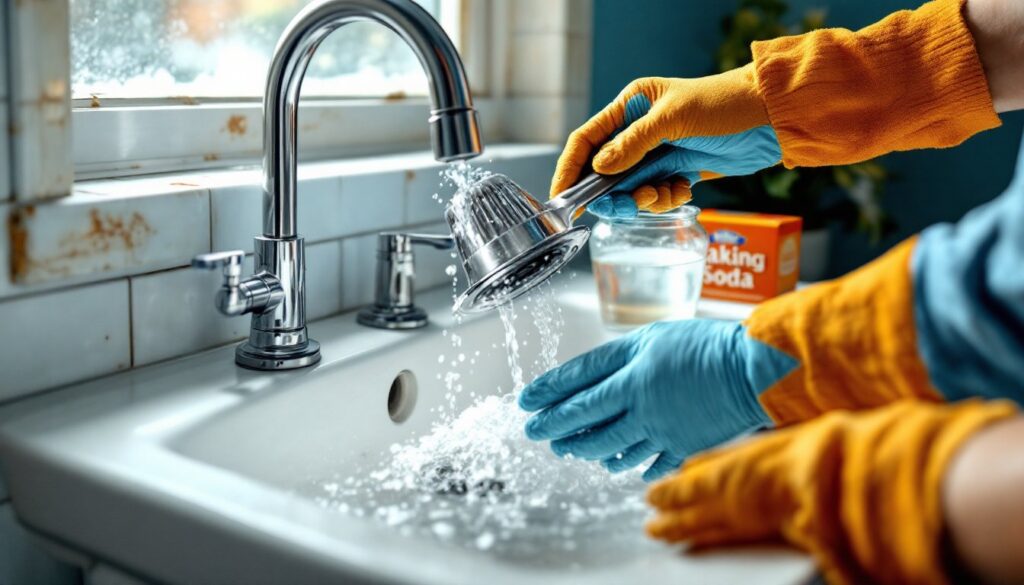
The baking soda and vinegar method works best for slow drains with light buildup, not total blockages. Start by removing any standing water and clearing visible debris from the drain opening. Pour ½ cup of baking soda directly down the drain, then chase it with ½ to 1 cup of white vinegar. The fizzing reaction breaks apart soft blockages and helps lift gunk from pipe walls.
Cover the drain tightly with a plug or cloth for 15–30 minutes to keep the reaction contained in the pipe rather than venting up. After the wait, flush with hot water (boiling water for drains that can handle it, though older pipes prefer very hot from the tap). For stubborn buildup, repeat the process twice weekly for a month.
This method is safe, cheap, and effective for maintenance and minor clogs. It won’t solve tree roots, mineral-encrusted pipes, or years of grease, but it’s a smart first move for drains that are slowing down. The reaction is gentle enough to use monthly to stay ahead of problems.
Plunging Techniques for Stubborn Blockages
A quality plunger, not a cup-style toilet plunger, but a flat-bottomed sink or multi-use plunger, works surprisingly well on kitchen and bathroom clogs. Fill the sink with enough water to cover the plunger cup by an inch or two. If you have a double sink, plug the second drain with a wet cloth so you create a proper seal: without it, you’re just pushing air around.
Position the plunger squarely over the drain and push down and up rapidly for 20–30 seconds, keeping the seal tight. Break contact and pull out: if water drains faster, you’ve broken the clog apart. If not, try 2–3 more sets of 20–30 seconds of plunging. Persistence often wins where a quick attempt fails.
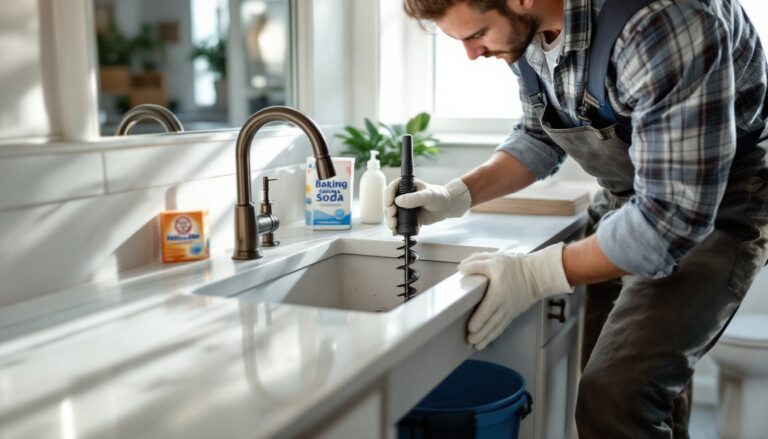
If plunging doesn’t work, a handheld drain snake (also called a plumber’s auger or closet auger) physically breaks apart the clog. Feed the snake slowly into the drain while turning the handle. When you feel resistance, you’ve hit the clog: keep turning and pushing to break through it or snag hair and pull it out. Snakes cost $15–$40 and save you the call for a $200 drain cleaning. They’re worth having in your toolbox. Family Handyman offers detailed plumbing repair guides that walk through snake techniques step by step if you’re unsure about the process.
When to Call a Professional Drain Cleaning Service
Not every drain problem is a DIY fix. If water backs up into the tub or toilet when you run the sink, you have a main line blockage, that’s a professional job, not a plunger job. If you smell sewage, notice patches of wet ground in your yard, or see mold growing near drains, the problem is likely deeper than the trap under your sink.
Multiple drains backing up simultaneously signal a sewer line issue. Slow drains that don’t improve with baking soda, vinegar, and plunging after two weeks suggest mineral encrustation or structural damage to the pipes themselves. Chemical drain cleaners are tempting, but they often make things worse: they corrode old pipes, can react dangerously with other cleaners, and still don’t fix the underlying blockage in many cases.
Tacoma homeowners can find top-rated drain cleaning services through Angi, which lists licensed professionals in your area with customer reviews. Professional plumbers have cameras to inspect pipes, power augers to clear serious blockages, and the knowledge to spot problems your DIY tools can’t. They cost more upfront, typically $150–$500 depending on severity and location, but prevent disasters that would cost thousands. If you’ve tried basic methods and the drain still isn’t draining, it’s time to make the call.
Preventing Future Drain Problems
Prevention beats cleaning every time. Catch hair before it enters the drain with cheap strainers in showers and sinks, replace them every few months as they fill with debris. In the kitchen, wipe grease off pans with a paper towel before washing them, never pour cooking oil down the drain, and use drain screens to stop food particles.
Run hot water through your drains weekly to help clear soft buildup and keep the pipes warm (which helps grease move through instead of solidifying). Once a month, flush drains with the baking soda and vinegar method as preventive maintenance, it takes 10 minutes and stops slow drains from becoming clogs. Keep a plunger handy and know where your main shutoff valve is in case of emergency.
For washing machines, install a lint trap or drain pan to catch fibers before they enter the main drain. If you have an older home with cast iron pipes, consider having a plumber inspect the sewer line every 5–10 years, especially if drains have been sluggish. Spotting a small problem during inspection is cheaper and less disruptive than dealing with a burst pipe or backup later. Good drain habits are simple, low-cost, and save you from the nightmare of a backed-up sewer on a Sunday when emergency rates apply.