



Table of Contents
ToggleA slow drain is one of those problems that sneaks up on you. One day the sink drains fine, and the next week you’re watching water pool around your feet in the shower. If you’re a Melbourne homeowner dealing with clogged drains, you don’t always need to call a plumber, many clogs can be tackled with tools and methods you likely have on hand. This guide walks you through identifying drain problems, fixing them yourself when it’s feasible, and knowing when to bring in a professional. Whether it’s a bathroom sink or kitchen drain backing up, understanding your options saves time, money, and frustration.
Key Takeaways
- Identify early warning signs of clogged drains—slow drainage, gurgling sounds, and foul odors—to address problems before they worsen and require professional drain cleaning.
- Baking soda and vinegar is an effective DIY method for partial clogs; let the mixture sit 15–30 minutes before flushing with boiling water for best results on hair and soap buildup.
- Plunging works well for recent clogs near the trap, but if blockages persist after 5–10 minutes or affect multiple drains, call a professional drain cleaner to avoid causing further damage.
- Prevent most drain clogs with simple maintenance: use drain screens, never pour grease down drains, and flush with boiling water every 6–12 months to remove buildup.
- Main-line backups, recurring clogs, or sewage smell indicate deeper issues—tree roots, collapsed pipes, or design flaws—that only a licensed plumber can properly diagnose and repair.
Signs Your Drains Need Cleaning
Clogs don’t usually happen overnight. Watch for warning signs that let you catch problems early. Slow drainage is the first red flag, water takes longer than normal to disappear down the sink, tub, or shower. Gurgling sounds coming from the drain or toilet suggest trapped air and debris buildup. Bad smells rising from the drain indicate bacteria and organic matter decomposing in the pipe, this gets worse over time if ignored.
Multiple fixtures draining slowly at once points to a problem in the main line rather than a single drain. If your toilet gurgles when you run the washing machine, or the tub backs up when you flush the toilet, the main sewer line or shared branch line needs attention. Small puddles or damp spots near the cleanout access point suggest a leak or serious blockage. Some of these signs warrant a professional inspection, but slower drains in a single fixture are often fixable with elbow grease.
DIY Drain Cleaning Methods That Actually Work
Before you spend money on a professional, try these proven techniques. Success depends on identifying what’s blocking the line, hair, soap scum, grease, or mineral buildup all respond differently to treatment.
Using Baking Soda and Vinegar
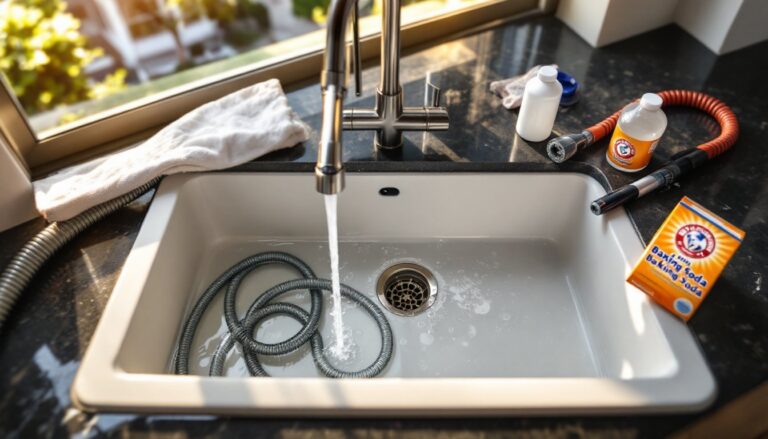
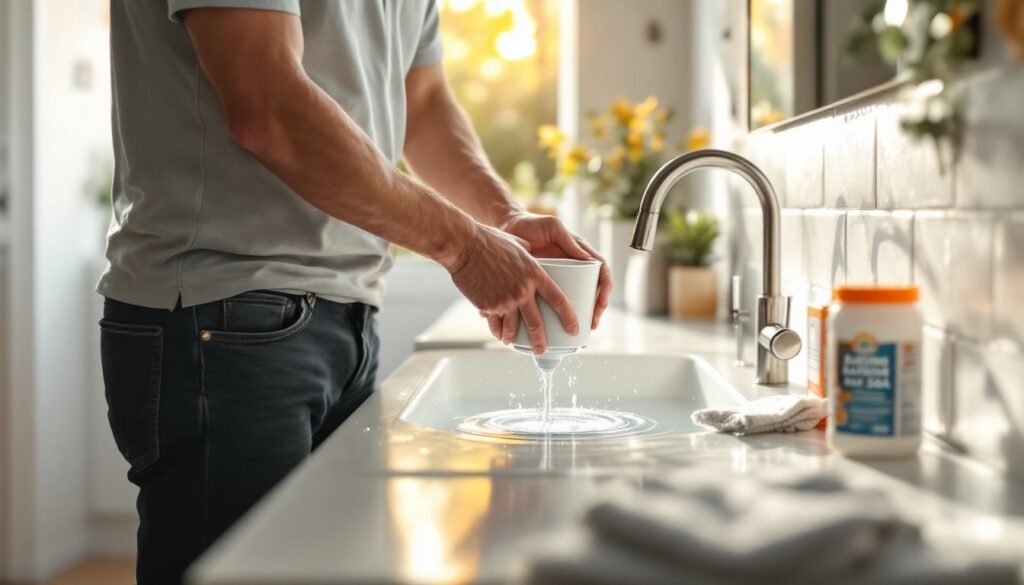
This isn’t just a social media hack: the chemical reaction between baking soda and vinegar genuinely helps break down some clogs. Start by removing standing water from the drain using a cup or small bucket. Pour half a cup of baking soda directly into the drain, followed immediately by half a cup of white vinegar. Cover the drain with a stopper or wet rag to keep the reaction contained inside the pipe rather than bubbling up into your sink.
Let it sit for 15 to 30 minutes, the longer the better for tough clogs. The fizzing action helps dislodge debris, especially hair and soap buildup. After the wait, flush the drain with boiling water. This method works best on partial clogs that slow drainage: it’s less effective on complete blockages. For tough cases, repeat the process or combine it with plunging.
The Plunger Technique
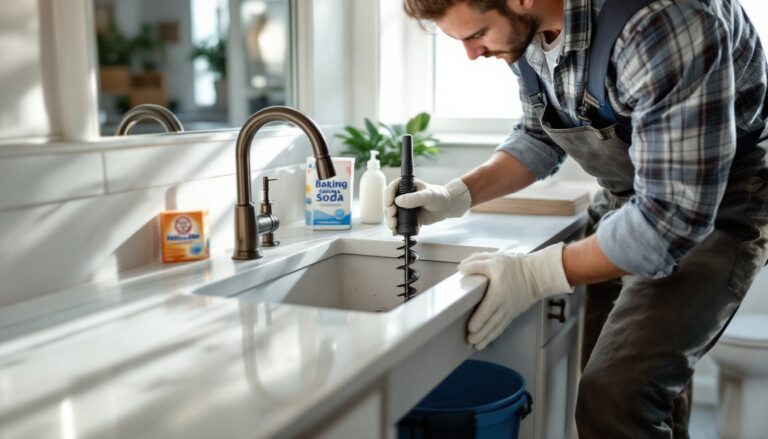
A cup plunger (the flat-bottomed kind) works on kitchen and bathroom sinks, while a flange plunger (the one with the extra ring) is designed for toilets. For sink clogs, fill the basin with a few inches of water to create a seal. Place the plunger over the drain, press down hard, and pull up quickly in rapid succession, do this 15 to 20 times. The suction and pressure can dislodge hair clogs and break up debris.
For drains with two basins, block the overflow hole or the second drain with a wet rag while you plunge the first one: otherwise, you won’t build enough pressure. Plunging works well on recent clogs and clogs near the trap, the U-shaped pipe under the sink. If the blockage is deeper in the line, plunging alone won’t help. Wear work gloves: you may get splashed with dirty water. If plunging doesn’t clear the clog after 5 to 10 minutes of effort, move to other methods or call a professional.
When to Call a Professional Drain Cleaner
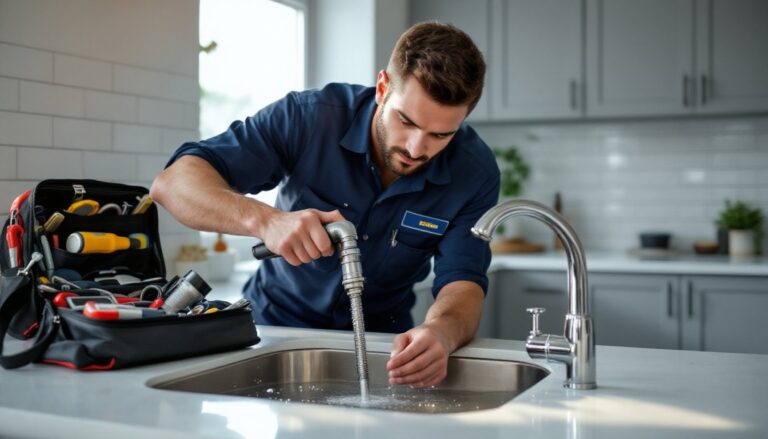
Know your limits. Plumbing problems that seem simple can quickly become expensive if you worsen them. Call a licensed plumber or drain specialist if the clog returns frequently, this suggests a deeper issue like tree roots in the main line, a collapsed pipe section, or a design flaw in your drainage system. A professional can snake the line or use a camera to identify what’s happening inside.
If multiple drains back up at once, the blockage is in the main line, and attempting to clear it yourself could push the clog deeper or damage the pipe. Bad smells or sewage backing into the house is also a red flag for a main-line issue. Professional services in Melbourne typically range widely in cost depending on the job complexity, homeowners report costs from simple clearing to major repairs. If your home is older, clay or cast-iron drains may be brittle, and aggressive DIY methods risk cracking them.
For renters, contact your landlord or property manager immediately rather than attempting repairs yourself. Many rental agreements require professional service. A licensed plumber has liability insurance, proper tools like motorized augers and video inspection cameras, and the expertise to fix the root cause, not just the symptom.
Preventing Drain Clogs: Maintenance Tips for Melbourne Homes
An ounce of prevention beats a pound of cure. Simple habits stop most clogs before they start. Use drain screens or strainers in every sink, shower, and tub, they catch hair and debris before it enters the pipe. Empty screens weekly and wipe them clean. Cost is minimal, and the payoff is huge.
Never pour grease down kitchen drains. Grease hardens as it cools, building up inside the pipe and trapping other debris. Instead, pour grease into a jar or can, let it solidify, and throw it in the trash. The same applies to coffee grounds, cooking oil, and food scraps, even if you have a garbage disposal, these items contribute to clogs over time. Run cold water through the drain for 30 seconds after using the disposal to flush debris through.
Use enzyme drain cleaners monthly as preventative maintenance. Unlike harsh chemical drain cleaners, enzyme products break down organic buildup safely without damaging pipes. Chemical cleaners work quickly but can corrode old pipes and are hazardous to handle. Every 6 to 12 months, flush each drain with boiling water to clear minor buildup. In Melbourne’s climate with harder water in some areas, mineral deposits can accumulate: hot water helps dissolve these deposits.
For main drains, check your property’s cleanout access point annually, it’s typically a covered cap in the front or back yard. If it’s cracked or missing, replace it. This allows water and debris to escape rather than backing up into your home. Tree roots are a common problem in older Melbourne neighborhoods: if you have trees near your drainage line, consider professional inspection every few years.
Conclusion
Most clogged drains in Melbourne homes respond well to simple DIY fixes, baking soda and vinegar, plunging, or preventative screening. But, persistent clogs, main-line backups, or foul smells signal problems beyond a quick fix. Know when to call a licensed professional: they’ll save you money and headaches in the long run. Start with prevention: use screens, avoid pouring grease, and flush drains regularly. A little maintenance now keeps you out of the drain-cleaning emergency business later.