


Table of Contents
ToggleCleaning gutters by hand is tedious, dangerous, and something most homeowners dread every spring and fall. A gutter cleaning attachment transforms the job, turning a nerve-wracking ladder climb into a quick, safer task you can finish in an afternoon. Whether you’re dealing with leaves, debris, or clogged downspouts, the right attachment works with tools you likely already own, making it one of the smartest investments for seasonal home maintenance. This guide walks you through what these attachments are, the main types available, and how to pick one that fits your setup without very costly.
Key Takeaways
- A gutter cleaning attachment keeps you safely on the ground while reducing cleaning time from 45 minutes to 10 minutes, making it a smart investment for seasonal home maintenance.
- Leaf blower attachments ($30–$60) are affordable and work best for dry, loose debris, while pressure washer gutter cleaning attachments ($50–$150) tackle wet, compacted debris and stubborn moss more effectively.
- Choose your gutter cleaning attachment based on what tools you already own and your local climate: leaf blower attachments suit moderate leaf drop, while pressure washers excel in wooded areas with heavy debris accumulation.
- Most gutter cleaning attachments pay for themselves within two or three professional cleaning service visits ($150–$400 each), offering long-term savings for homeowners.
- Proper maintenance of your attachment—cleaning after each use, storing indoors, and inspecting before each season—extends its lifespan and ensures consistent performance.
- Always prioritize safety by staying on the ground, wearing appropriate protective gear, and never attempting to work from ladders on high gutters when using a gutter cleaning attachment.
What Is A Gutter Cleaning Attachment And Why You Need One
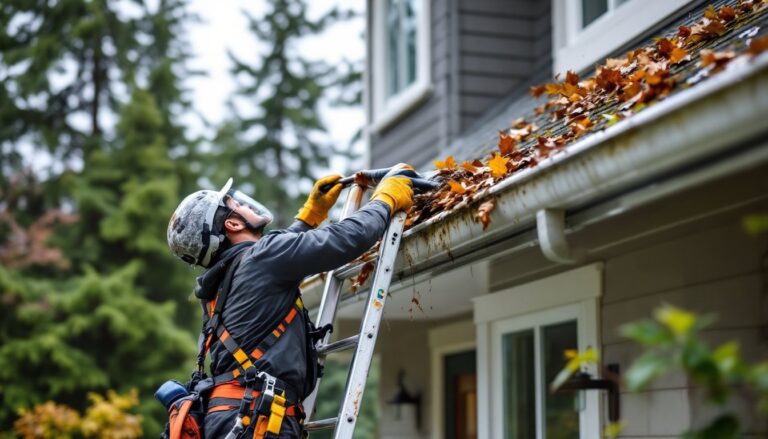
A gutter cleaning attachment is a simple tool that extends your reach and automates debris removal from gutters without climbing a ladder or using your hands. Most attach to either a leaf blower or pressure washer, using either forced air or water pressure to dislodge leaves, pine needles, moss, and caked-on dirt. The magic is leverage: you stand on the ground, work from a safe angle, and let the attachment do the heavy lifting.
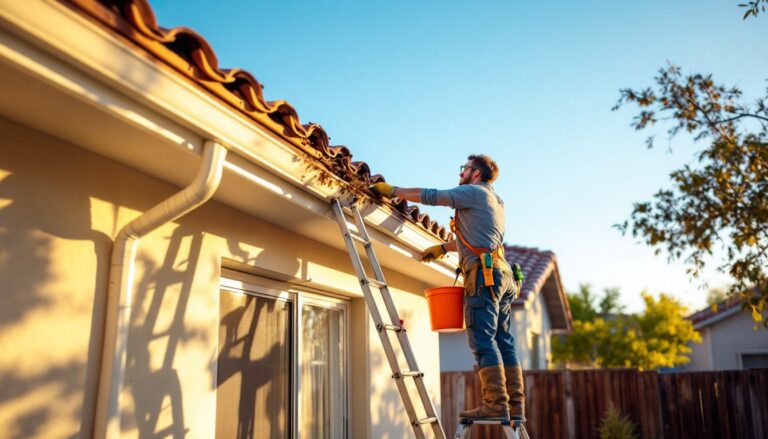
Why bother? Falling from a ladder remains one of the most common home injuries, and gutter work is a top culprit. An attachment keeps both feet planted on solid ground. You’ll also finish faster, a clogged gutter that takes 45 minutes by hand might take 10 minutes with an attachment. And since debris is blown or washed out instead of scooped by hand, you’re less likely to miss hidden blockages that could cause water damage to your roof, siding, or foundation.
The cost is modest: most attachments run $30 to $150, depending on type and quality. Compare that to a single professional gutter cleaning service ($150–$400 per visit), and you’ll break even after two or three cleanings.
Types Of Gutter Cleaning Attachments For Every Setup
Leaf Blower Attachments
Leaf blower gutter attachments are the most affordable and easiest to use. They typically feature a curved aluminum or plastic nozzle that screws onto the end of your leaf blower’s tube, creating a narrow opening that fits inside most standard gutters (K-style gutters, the most common residential type, are roughly 5 inches wide). The blower’s air stream pushes debris toward the downspout or off the roof edge.
These work best for dry, loose debris like leaves and twigs. They’re ideal if your gutters only get moderate accumulation, think a few weeks of steady leaf drop rather than months of packed sediment. The main limitation is that wet leaves and compacted mud don’t budge as easily: you may still need to loosen stubborn material by hand first. Battery-powered leaf blowers pair well with these attachments, letting you work without fuel mixing or exhaust fumes. Cordless models lack the sustained power of gas blowers, though, so choose one with at least 125 mph air speed for decent performance. A standard attachment costs $30–$60.
Pressure Washer Gutter Cleaners
Pressure washer gutter cleaning attachments are the heavy hitters. They typically look like an extended curved wand with a nozzle at the tip, designed to fit inside gutters and spray water at high pressure (usually 1,500 to 4,000 PSI, depending on your machine) to blast away debris, moss, and years of built-up grit. Some designs feature 180-degree rotating spray patterns that clean both sides of the gutter in one pass.
These attachments excel at handling wet, compacted debris and stubborn algae or moss growth. They’re faster on heavily gunked gutters and leave gutters genuinely clean, not just cleared of loose leaves. The catch: you need a pressure washer (obviously), they’re louder, and water spray means you’ll wet your siding, roof, and landscape, so timing and weather matter. Using too high a PSI can also damage gutter seams or joints if you’re careless. These attachments typically cost $50–$150, depending on whether they’re proprietary to your pressure washer brand or universal fit. A guide to pressure washer attachments and techniques can help you understand the nuances of water pressure and safety.
How To Choose The Right Attachment For Your Needs
Start with what you already own. If you’ve got a leaf blower, a blower attachment is your cheapest entry point and works fine for routine maintenance. If you own a pressure washer or are considering buying one for other outdoor tasks (deck cleaning, driveway washing), a pressure washer gutter attachment adds versatility to an existing tool. That said, a dedicated pressure washer for gutters only doesn’t make financial sense unless you’re cleaning half a dozen homes.
Consider your gutter condition and frequency. If you live in a wooded area or have a metal roof that sheds debris heavily, you’ll have wet, packed gutters. A pressure washer attachment is worth it. In suburban or urban areas with moderate leaf drop, a blower attachment handles routine cleanings fine. If you clean gutters once or twice a year as preventive maintenance, either works: if you’re tackling a badly neglected gutter system, pressure washing is safer and faster.
Check compatibility before buying. Most leaf blower attachments fit standard tubes (typically 1.25 inches in diameter) but confirm your blower model fits the adapter. Pressure washer attachments vary widely, some are proprietary to specific brands (Karcher, Greenworks, Sun Joe), while others are universal fit (just confirm the connection type: female or male quick-connect). Read reviews for durability: cheap plastic attachments crack after a season or two. Today’s Homeowner’s seasonal maintenance checklists can guide you on timing and frequency to match your local climate.
Installation And Safety Tips For Gutter Cleaning Attachments
Installation is straightforward for most attachments: screw the nozzle onto your blower tube or quick-connect it to your pressure washer wand. Hand-tighten connections: you don’t need a wrench. Check that the fit is snug and there are no gaps where air or water could leak out the sides (this wastes pressure and reduces effectiveness).
Before you start, inspect your gutters from the ground. Look for obvious debris piles, loose fasteners, or areas where gutters sag. Test your attachment on a short section first, many users find they need to angle it slightly or adjust distance to get optimal debris removal without splashing water all over themselves. Work from the roof edge toward the downspout so debris naturally flows toward the exit.
Wear appropriate PPE. For leaf blower attachments, wear safety glasses and work gloves, flying debris can be sharp, and your hands will get dirty. For pressure washer work, wear a long-sleeved shirt, long pants, and closed-toe shoes. Water pressure at 2,000+ PSI can cause serious wounds if aimed at skin. Never point the spray at yourself or anyone else. Keep children and pets indoors while you work.
On a ladder? Don’t. The whole point of a gutter attachment is to keep you on the ground. If your gutters are two stories high or you need to access them from a pitched roof, hire a professional. Falling from height isn’t worth saving $100. If you must use a ladder for inspection or stubborn corners, use a reliable step ladder and follow OSHA guidelines on safe placement and three-point contact.
Maintenance And Extending The Life Of Your Attachment
Clean your attachment after every use. For leaf blower nozzles, just blow air through them to clear dust and debris. For pressure washer attachments, run a gentle stream of clean water through the connection and nozzle to prevent mineral buildup (especially if your water is hard). This takes two minutes and prevents clogs that reduce performance.
Store attachments indoors in a dry garage or shed. Aluminum parts corrode slowly in humid climates: plastic can become brittle under UV exposure. Don’t leave pressure washer attachments connected to the wand between uses, the seal can weaken. For blower attachments, unscrew them and store separately.
Inspect before each season. Look for cracks in plastic, bends in aluminum, or corroded quick-connect fittings. A damaged attachment is less efficient and may damage your gutter. Inexpensive plastic nozzles ($30–$40) are often cheaper to replace than repair. Higher-quality aluminum models ($80–$120) often last years with basic care.
If your attachment clogs during use, stop immediately. Don’t force water or air through it. Remove the attachment, clear the blockage, and test before reattaching. Forced pressure on a clogged nozzle can burst seals or crack plastic housings, turning a $50 tool into trash in seconds.