



Table of Contents
ToggleSlow drains are one of the most common, and most annoying, problems in any Littleton home. Water backing up in your sink, tub, or shower doesn’t just mean an inconvenience: it can signal that debris, hair, soap scum, or mineral deposits are building up in your pipes. The good news is that many Littleton homeowners can handle drain cleaning themselves before calling in the professionals. This guide walks you through how to identify when your drains need attention, which DIY methods actually work, and when it’s time to bring in a licensed plumber who understands Littleton’s specific plumbing challenges, including hard water deposits common in the area.
Key Takeaways
- Slow drains, bad smells, and gurgling sounds are clear signs your Littleton home needs drain cleaning, with multiple affected drains indicating a clog in the main line rather than a single branch.
- DIY drain cleaning methods including plungers, hand snakes, and the baking soda and vinegar solution work effectively for most minor clogs without professional equipment.
- Littleton’s hard water deposits are a common cause of drain blockages, making monthly maintenance with baking soda and vinegar or boiling water essential for prevention.
- Professional drain cleaning with video inspection cameras ($150-300) is worth the investment for main line clogs or persistent backups that DIY methods won’t resolve.
- Installing drain screens, never pouring grease down the drain, and avoiding harsh chemical cleaners on cast iron pipes protects your plumbing and prevents expensive emergency repairs.
Signs Your Littleton Home Needs Drain Cleaning
Before you reach for a plunger, know what you’re dealing with. A slow drain that empties completely (eventually) is different from a backed-up drain that won’t drain at all, and both are different from a drain that gurgles when you flush the toilet upstairs.
Water that drains noticeably slower than it used to is your first red flag. If a sink takes 10+ seconds to empty, hair and soap are likely accumulating in the trap or branch line. Multiple drains slowing at the same time, kitchen, bathroom, laundry, suggests a clog farther down the main line, closer to where your drains converge.
Bad smells coming from the drain are another sign. That sour, rotten smell usually means organic material (food, hair, grease) is sitting in your pipes and decomposing. If you’re noticing it only in one drain, the clog is probably in that branch line. If it’s coming from multiple drains or the basement floor drain, you might have a more serious blockage downstream.
Gurgling sounds when water drains from other fixtures, like your toilet gurgling when you run the washing machine, mean air is trapped behind a clog and can’t escape smoothly. In Littleton, where mineral-heavy water is common, these blockages often form at low points in the line or where the pitch of the pipe flattens out. This is worth addressing before a full backup happens.
DIY Drain Cleaning Methods That Actually Work
Not every clog needs professional equipment. Knowing which method fits your situation saves money and time.
Using A Plunger Or Drain Snake
A plunger is your first tool. For sink and tub drains, use a cup-style plunger (not the flange type meant for toilets). Fill the sink with enough water to cover the plunger cup, then pump vigorously 15-20 times without breaking the seal. You’re creating pressure that dislodges debris stuck in the trap or just beyond it.
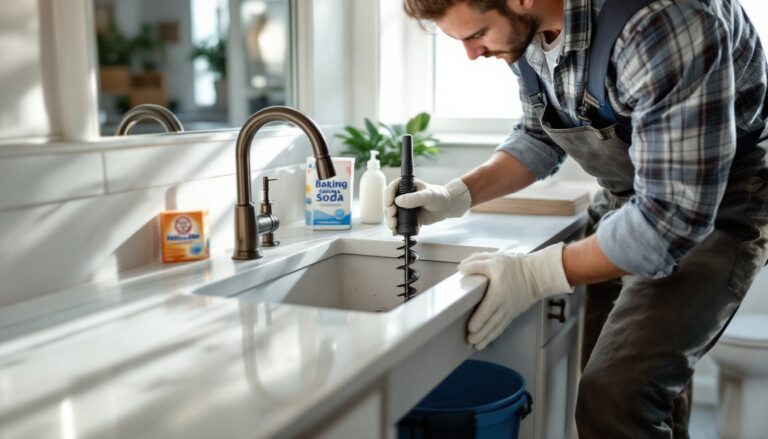
If the plunger doesn’t work, a drain snake (also called a hand auger) is your next move. A basic 25-foot model costs $15-30 and works well for clogs within reach. Feed the snake down the drain slowly, cranking the handle as you push. When you hit resistance, crank harder for a few seconds, you’re either breaking through the clog or wrapping around hair. Slowly pull back, and repeat if needed. The snake won’t clear every clog, but it’s incredibly useful for hair blockages and minor soap buildup.
For main line clogs (affecting multiple drains), you’ll need a motorized drain auger, which rental shops in the Littleton area stock for $40-70 per day. These are more powerful but also more dangerous if you don’t know what you’re doing, the spinning cable can catch clothing or skin. If you go this route, read the rental instructions carefully and consider having a second person present.
Always wear safety glasses when using a drain snake: water and debris can splash back when the clog breaks free.
Natural Solutions For Minor Clogs
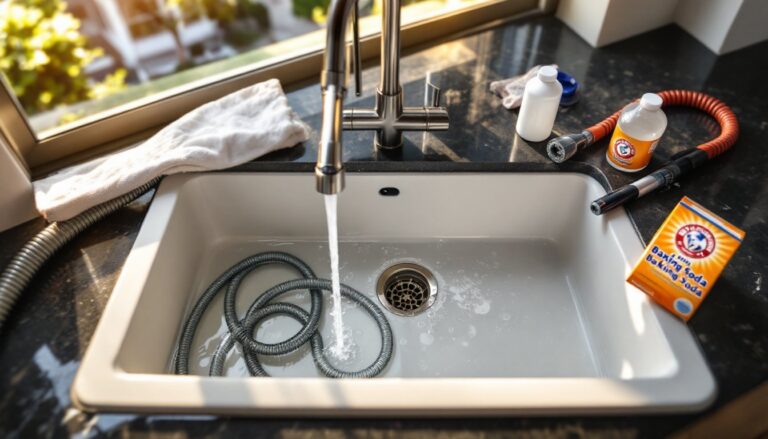
For slow drains caused by soap scum and mineral buildup (very common in Littleton), try this before reaching for the plunger. Remove standing water, then pour 1/2 cup of baking soda down the drain followed by 1 cup of white vinegar. The mixture will fizz for a few minutes, that’s the chemical reaction breaking down buildup. Let it sit for 30 minutes, then flush with boiling water.
This method works best on slow drains, not complete blockages. It’s safe for all pipe types (PVC, cast iron, galvanized), and it’s cheap. The downside: it won’t tackle hair-based clogs or grease buildup as well as mechanical methods.
For kitchen drains clogged with grease, avoid pouring hot water down the drain, it hardens as it cools. Instead, dissolve 1/4 cup of dish soap in boiling water, let it cool slightly, and pour it slowly down the drain. The soap breaks up grease. Follow with the baking soda and vinegar method if needed. This is a temporary fix, though: the real solution is catching grease in a filter or letting it cool in a container before disposal.
Never mix chemical drain cleaners (like Drano or Liquid-Plumr) with these natural solutions. If you’ve already used a commercial cleaner, flush the drain thoroughly with water first. These caustic products can cause serious burns and damage older pipes, in Littleton, many homes have cast iron drain lines that corrode if exposed to harsh chemicals repeatedly.
When To Call A Professional Drain Cleaner In Littleton
You’ve tried the plunger and the snake, and the water still isn’t draining. Time to call a plumber. But knowing what to expect saves frustration and money.
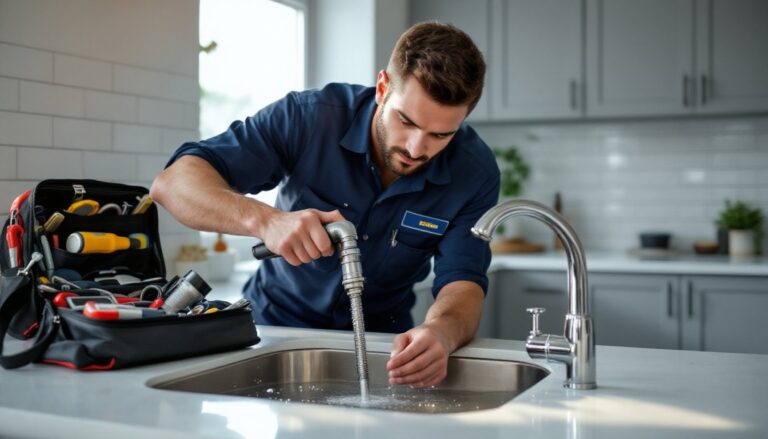
Licensed plumbers in Littleton use video inspection cameras to locate clogs precisely. For $150-300, they’ll feed a small camera down your drain and show you what’s blocking it, hair, tree roots, collapsed pipe, mineral buildup. This diagnosis is worth the cost if you’re dealing with a main line clog or repeated backups. Once they know what they’re fighting, they’ll recommend the right solution.
For most residential clogs, professionals use motorized augers similar to rental models, but more powerful. If roots are the problem (and they’re surprisingly common in older Littleton neighborhoods), they might use a root cutter, a specialized auger bit that shreds roots without damaging the pipe. For stubborn mineral deposits, hydro-jetting (blasting 4,000 psi of water through the line) works but costs $200-500 and should only be done on pipes in good structural condition.
If the problem is a cracked or collapsed drain line, no amount of plunging will fix it. You’ll need pipe replacement, which requires a licensed plumber and possibly a permit from Littleton’s building department. This is structural work, not maintenance.
You can find top-rated drain cleaners in Littleton, CO by checking reviews and getting multiple estimates before committing. A good plumber will explain what they found, why it happened, and how to prevent it. Be wary of anyone pushing unnecessary work or refusing to show you the problem.
Preventing Future Drain Problems
The best drain cleaning is the one you never need. A few simple habits go a long way.
Use drain screens (mesh or perforated metal inserts) in every sink, tub, and shower. They cost $3-5 each and catch hair and debris before they go down the pipe. Empty them weekly. In the kitchen, install a grease trap or use a practical plumbing guide from Family Handyman to learn about trap maintenance.
Never pour grease, oil, or fat down the drain. Let it solidify in a container and toss it in the trash. Even “flushable” wipes aren’t, they don’t break down like toilet paper and cause clogs downstream. Stick to toilet paper only.
Flush drains monthly with boiling water (for grease buildup) or the baking soda and vinegar method for general maintenance. This takes five minutes and prevents slow drains from becoming stopped-up drains.
In Littleton’s hard water, mineral deposits build up faster than in softer water areas. If you’re noticing white crusty buildup on faucets, your pipes are accumulating minerals too. Consider installing a water softener or, at minimum, running a drain cleanse (baking soda and vinegar) quarterly. You can also consult HomeAdvisor for cost estimates on water softening systems if buildup becomes a recurring problem.
If you have cast iron drain pipes (common in homes built before 1970), avoid repeated chemical drain cleaners. They corrode the pipe over time. Mechanical methods and natural solutions are gentler and just as effective.
Conclusion
Most Littleton drain clogs are fixable with a plunger, drain snake, or baking soda and vinegar, no plumber call necessary. But knowing your limits matters. If DIY methods fail, a backed-up main line or structural pipe damage requires professional diagnosis and repair. Start simple, stay safe (wear eye protection and gloves), and don’t hesitate to call a licensed plumber if the clog returns repeatedly. Prevention through screens, proper disposal, and monthly flushing saves thousands in emergency calls down the road.