

Table of Contents
ToggleSlow drains and standing water are among the most common headaches in Golden Valley homes, yet many homeowners don’t realize how much damage a neglected clogged drain can cause. Beyond the obvious inconvenience, backed-up water can lead to pipe corrosion, foundation issues, and costly plumbing repairs. The good news? You don’t always need to call a professional. Understanding how to clean drains, and knowing when to reach out for help, can save you money and prevent bigger problems down the road. This guide walks you through practical methods to get your drains flowing again and keep them that way.
Key Takeaways
- Regular drain cleaning in Golden Valley prevents costly pipe corrosion, foundation damage, and sewage backup by catching early blockages before they become emergencies.
- DIY methods like baking soda and vinegar, plungers, and drain snakes work effectively for common household clogs and cost under $30 in tools.
- Watch for warning signs like persistent odors, gurgling sounds, and water backing up into multiple fixtures—these indicate main line issues requiring professional drain cleaning service.
- Establish preventive habits like using drain strainers, never pouring grease down kitchen sinks, installing hair catchers, and monthly hot water flushes to keep drains flowing smoothly.
- Professional plumbers in Golden Valley use video inspection cameras and hydro-jetting systems to diagnose and clear stubborn blockages caused by tree roots or structural damage, typically costing $150–800.
Why Regular Drain Cleaning Matters for Golden Valley Homes
Golden Valley’s climate and older infrastructure mean homeowners face unique drainage challenges. Hard water deposits, tree roots seeking out underground lines, and seasonal freeze-thaw cycles all contribute to buildup over time. Regular drain maintenance isn’t just about convenience, it’s about protecting your home’s plumbing system and foundation.
A clogged drain forces water to back up through your system, which can damage traps, elbows, and main lines. In worst cases, backed-up sewage can seep into your foundation or yard, creating a health hazard and a repair bill that runs into the thousands. Even minor slowdowns signal early blockages forming. Catching them now, before they become total blockages, means you’re doing preventive maintenance rather than emergency repair work.
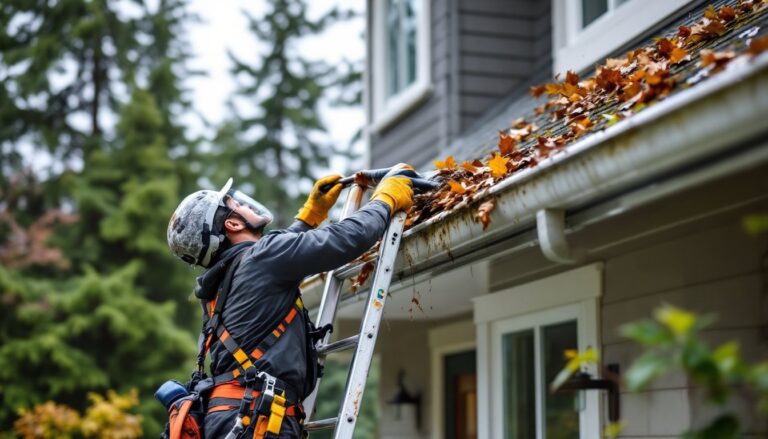
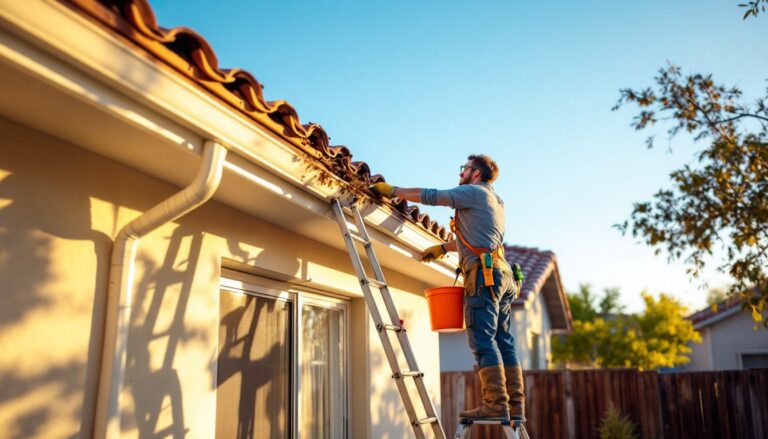
Think of it like gutter cleaning: spending an hour now prevents water damage later. Monthly or quarterly drain checks, combined with simple preventive habits, keep your system healthy and save you from panic calls to a plumber on a Saturday night.
Signs Your Drains Need Professional Attention
Not every slow drain is a DIY job. Knowing when to move on and call in a pro saves time and frustration.
Persistent, foul odors coming from drains, especially if they linger even after running hot water, signal deeper blockages or bacterial buildup. Gurgling sounds from your toilet, tub, or sink when you use other fixtures indicate a vent line issue or main line blockage. Water backing up into multiple fixtures means the problem is past your P-trap and likely in the branch line or main sewer line. These issues require a professional with a camera scope or auger.
If you’ve already tried plunging and a drain snake without results, stop. Pushing further can damage PVC or older cast-iron lines. Recurring clogs in the same spot, especially in Golden Valley homes built before 1980, often point to tree roots or structural damage that only a licensed plumber can diagnose and fix properly. A professional service like those listed on professional drain cleaners in Golden Valley can inspect your lines and recommend the right fix.
DIY Drain Cleaning Methods You Can Try First
Before you call a plumber, try these proven DIY methods. They work for kitchen sink clogs, bathroom tub slowdowns, and minor toilet blockages, the most common drain issues homeowners face.
The Baking Soda and Vinegar Method
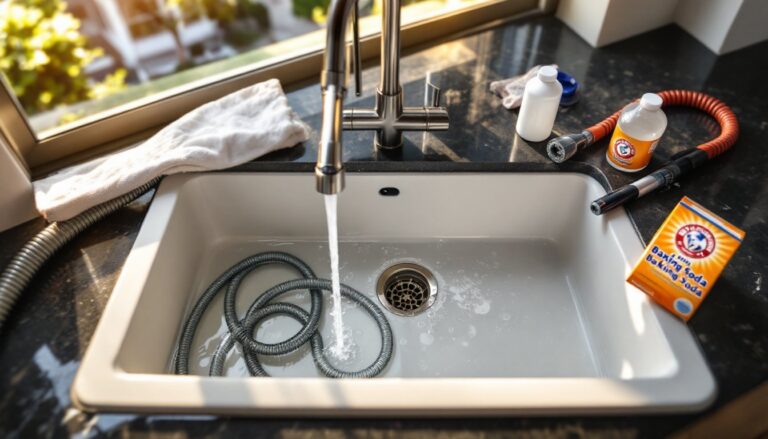
This low-cost, non-toxic approach works for buildup-related clogs like hair and soap scum. Remove standing water from the drain first using a cup or wet/dry shop vac. Pour ½ cup of baking soda directly down the drain, followed immediately by 1 cup of white vinegar. Cover the drain with a plug or rag, the chemical reaction needs confinement to work effectively. Let it sit for 30 minutes, then flush with a kettle of boiling water. Repeat if needed.
Why it works: Baking soda and vinegar create carbon dioxide bubbles that break apart organic buildup without harsh chemicals. This method is safe for PVC and older pipes, and it’s budget-friendly. It won’t clear heavy grease clogs or solid obstructions, but for routine maintenance and light blockages, it’s reliable.
Using a Plunger and Snake Tool Effectively
A plunger works best on tub and sink drains. Fill the tub or sink with 3–4 inches of water to create a seal. Place the plunger cup directly over the drain, ensuring it covers the opening completely. Push down and pull up rapidly 15–20 times without breaking the seal. For a toilet, use a flanged plunger (the kind with the extra cup inside) and plunge firmly for 20 seconds, rest, and repeat.
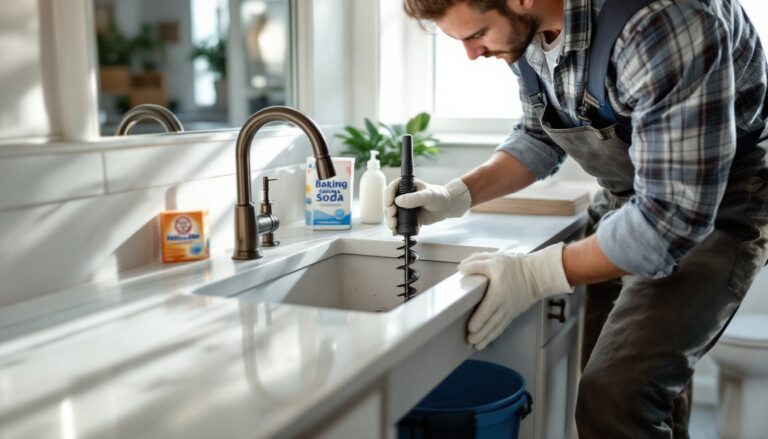
A drain snake (also called a hand auger or plumbing auger) is your next step if plunging fails. Feed the cable down the drain slowly, turning the handle clockwise when you feel resistance. Don’t force it, you’ll damage the pipe. Once you hit the clog, crank the handle to break it apart or pull hair and debris back out. Snakes cost $15–30 and are reusable: they’re one of the smartest tools for any homeowner. For tough kitchen sink clogs, a motor-powered auger rents cheaply from hardware stores, but a manual snake handles 90% of household clogs fine.
When to Call a Professional Drain Service
You’ve tried plunging and snaking with no success. Your drains are backing up into multiple fixtures. You’ve got sewage smell or wet spots in your yard. These signs point to a main line blockage or structural damage, beyond DIY territory.
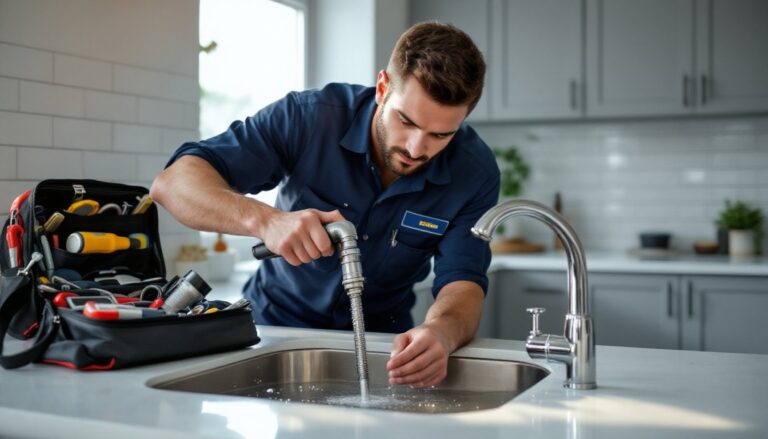
Professional plumbers have access to tools and diagnostic equipment you can’t rent easily. A video inspection camera lets them see exactly where the blockage is and whether it’s tree roots, a collapsed section, or grease buildup. A motorized drain auger or hydro-jetting system clears even stubborn blockages, and hydro-jetting (high-pressure water) also cleans the interior walls of your pipes, not just punching through the clog.
The cost varies by problem severity and location in Golden Valley. A simple snake service might run $150–300, while a main line inspection and cleanup can be $400–800 depending on the distance from your home’s access point. Home improvement cost estimators and contractor matching platforms can give you ballpark figures for your area and help you request multiple quotes. Licensed plumbers also know local codes, permit requirements for underground work, and whether your blockage signals a bigger issue like foundation settlement.
Preventing Future Clogs: Maintenance Tips for Golden Valley Properties
An ounce of prevention beats a pound of cure. Establish simple habits now to avoid clogs altogether.
Kitchen sinks: Never pour grease down the drain: let it cool in a can and throw it in the trash. Use a drain strainer (stainless steel mesh, ~$5) to catch food particles. Rinse dishes before loading the dishwasher. Once a month, run hot water for 30 seconds, then use the baking soda and vinegar method as routine maintenance.
Bathrooms: Hair is the silent killer of drains. Buy a hair catcher or drain guard (under $10) and remove it weekly. Use a drain cover on your tub. Avoid flushing anything except toilet paper, even “flushable” wipes cause blockages.
All drains: Run hot water after each use to flush debris. Every 2–3 months, pour boiling water down your kitchen sink drain to dissolve light grease buildup. If you have older cast-iron or galvanized steel pipes, skip boiling water (thermal shock can crack old pipes) and use the baking soda method instead.
Outside: Ensure gutters drain away from your foundation. Keep downspout extensions pointing at least 4 feet away from your house. Tree roots are a long-term problem in Golden Valley: if you notice slow drains on the main line, root intrusion may be culprit, and you’ll need a professional inspection. DIY repair tutorials and home maintenance guides also offer seasonal checklists for plumbing upkeep.
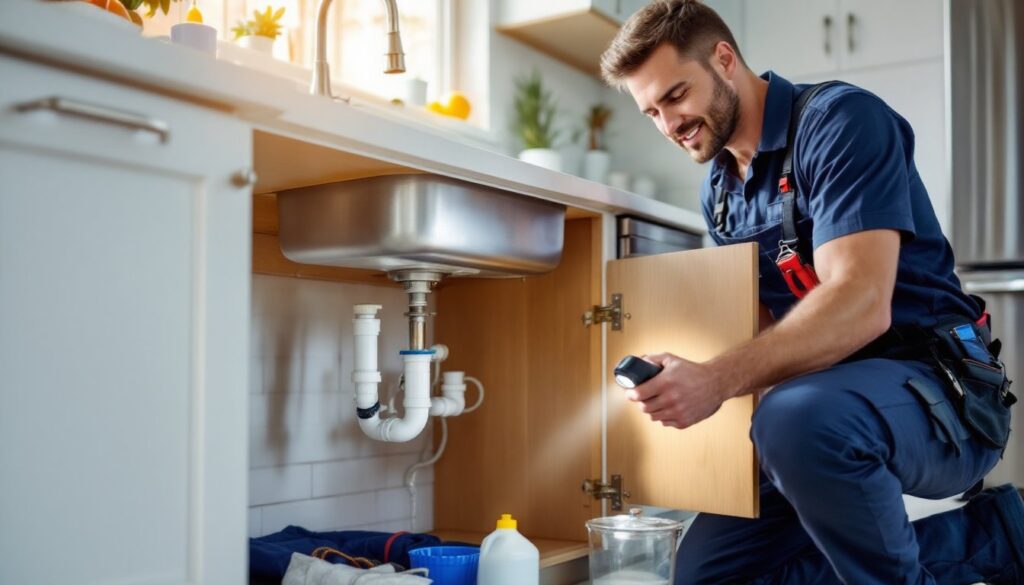
Regular inspection, a simple flashlight look at accessible traps under sinks, checking for leaks or corrosion, catches small issues before they spiral.