




Table of Contents
ToggleA slow drain in the kitchen sink. A bathtub that empties like molasses. Suddenly, that phone call to a professional plumber costs $150 to $300, or more if the problem’s serious. But here’s the good news: not every drain issue requires a contractor’s invoice. Affordable drain cleaning starts with understanding which problems you can tackle yourself and which ones need professional help. Between simple DIY methods using household items and smart preventative maintenance, most homeowners can keep their drains flowing freely without draining their wallets. This guide walks you through the budget-friendly solutions that actually work.
Key Takeaways
- Affordable drain cleaning using baking soda, vinegar, and a plunger can solve most common household clogs for under $20, saving you $150–$300 in professional plumber fees.
- DIY methods work best for partial clogs near the drain opening, but signs like multiple backed-up drains, sewage smell, or recurring clogs within days indicate you need professional help.
- Monthly preventative maintenance—including drain strainers, hot water flushes, and avoiding grease—costs nothing and prevents 90% of residential drain emergencies.
- A manual drain snake (25–50 feet) costs $10–$20 and handles most residential clogs more effectively than plungers alone, making it a reusable investment for years of use.
- When hiring a professional drain cleaning service, get multiple quotes, ask about camera inspections ($200–$400) to pinpoint main line issues, and provide context about what you’ve already tried to reduce labor time and costs.
Why Drain Cleaning Doesn’t Have to Break the Bank
Professional drain cleaning runs $100 to $300 for a standard clearing, and that’s before any pipe repairs or replacements kick in. But most common drain clogs, hair, soap buildup, food residue, respond well to methods that cost under $20 in materials.
The key difference is knowing where to start. A backed-up drain usually signals a partial clog near the drain opening, not a catastrophic failure deep in the sewer line. The farther down the problem sits, the more expensive it becomes. That’s why tackling it early with simple methods often prevents the need for a $500 plumber visit down the road.
DIY drain cleaning also teaches you the difference between a cosmetic issue (slow draining sink) and a structural problem (sewage backup, multiple drains clogged simultaneously). Recognizing that distinction is worth its weight in gold, because it tells you whether to grab a plunger or pick up the phone. You’ll save money simply by not calling a pro for every minor hiccup.
DIY Drain Cleaning Methods That Work
The Baking Soda and Vinegar Approach
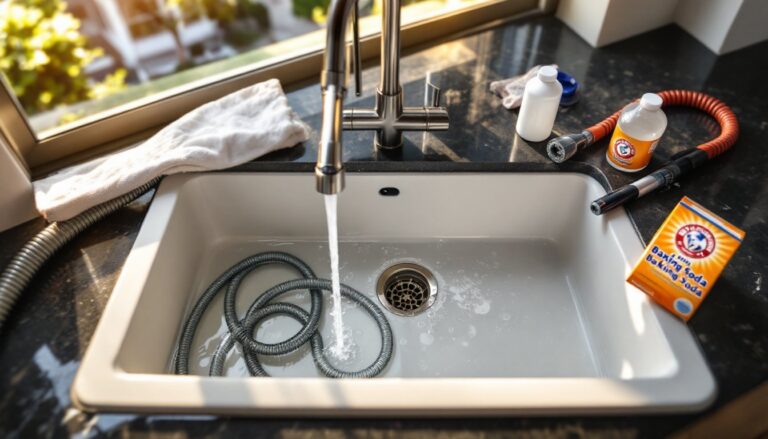
This method costs pennies and works surprisingly well for slow drains. Baking soda (sodium bicarbonate) and vinegar create a fizzing reaction that breaks down soft clogs, hair tangles, soap scum, organic buildup, without harsh chemicals.
Materials needed:
- 1/2 cup baking soda
- 1 cup white vinegar
- Hot water (not boiling: very hot from the tap)
- A drain plug or cloth to cover the drain opening
Steps:
- Remove standing water from the drain using a cup or wet/dry vacuum if the drain is completely blocked.
- Pour 1/2 cup of baking soda directly down the drain.
- Follow immediately with 1 cup of vinegar. Cover the drain opening with a plug or cloth to force the reaction downward (not back up and out).
- Let it sit for 15–30 minutes while the fizzing action works on the clog.
- Flush with 1–2 gallons of very hot water to push loosened debris through.
This approach is safe for all drain types, metal, PVC, cast iron, and won’t harm your septic system. It won’t dissolve mineral deposits or completely clear a severe clog, but it’s perfect for maintenance and light blockages.
Using a Plunger and Snake Effectively
A plunger is your first line of defense for kitchen and bathroom drains. The plunging motion creates pressure that dislodges clogs. A drain snake (also called a hand auger) physically breaks apart or retrieves the clog. Both cost under $15 to own.
For the plunger:
- Fill the sink or tub with 3–4 inches of water to seal the plunger cup.
- If you have a double sink, plug the second drain or use a second plunger simultaneously: otherwise, the pressure vents harmlessly upward.
- Push and pull vigorously 15–20 times without breaking the seal. You’re creating pressure surges, not trying to move the plunger an inch.
- Repeat 2–3 cycles. If water starts draining, stop: if not, move to the snake.
For a drain snake:
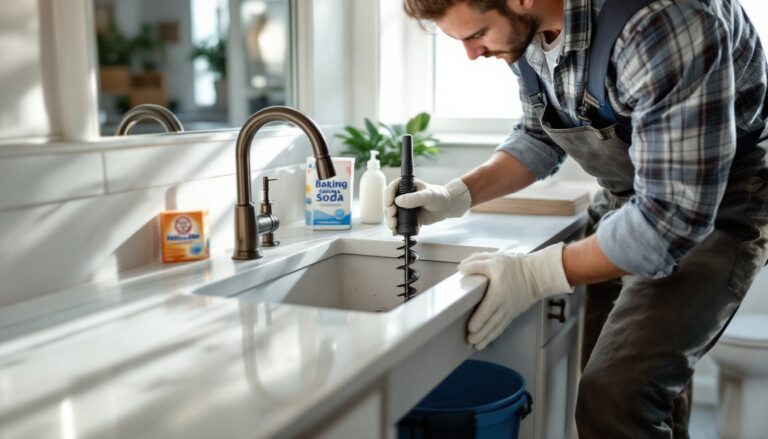
- Insert the flexible cable into the drain opening and push slowly. When you feel resistance, you’ve hit the clog.
- Turn the handle clockwise while pushing. This motion breaks apart debris or hooks hair and pulls it back out.
- Withdraw the snake carefully and dispose of anything caught on the tip.
- Flush with hot water to clear remaining particles.
Snakes work better than plungers on deeper clogs and are reusable for years. A manual drain snake (25–50 feet) costs $10–$20 and handles most residential clogs. Avoid dropping snakes down the drain: they can get stuck, creating a worse problem.
When to Call a Professional and Keep Costs Low
Knowing when to stop DIY work saves money in the long run. Call a professional if any of these apply:
Signs you need a pro:
- Multiple drains throughout the house are slow or backing up (often indicates a main line clog).
- Sewage smell, gurgling sounds from drains, or water pooling around the foundation.
- The clog returns within days after you cleared it (suggests a deeper structural issue).
- You’ve tried baking soda, vinegar, and plunging without improvement.
- The drain is completely blocked and won’t accept a snake.
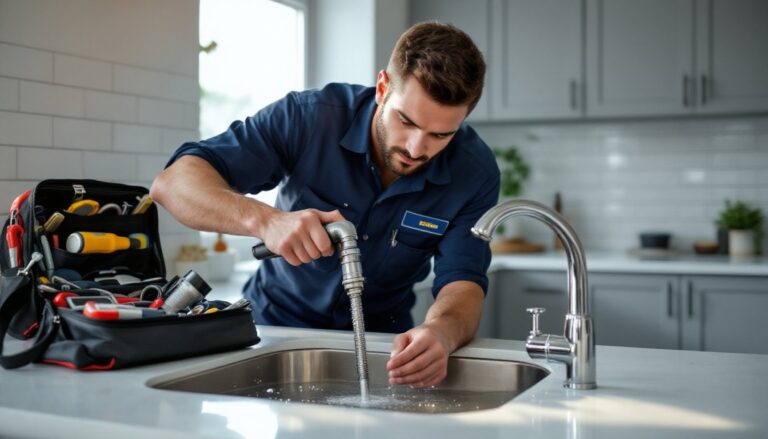
When you do hire someone, hiring a drain cleaning professional involves understanding cost ranges and what’s included. Get multiple quotes before committing. Some plumbers charge by the hour ($75–$150/hr), others by the job. Ask whether the estimate includes water removal, tool fees, or follow-up visits.
To keep professional costs reasonable:
Provide context. Tell the plumber what you’ve already tried and how long the problem’s existed. This info helps them diagnose faster, saving you shop time charges.
Ask about preventative treatments. Some plumbers offer affordable annual maintenance visits that catch issues early. Tools like HomeAdvisor let you compare contractor rates and read reviews before booking.
Request a camera inspection if the main line is suspected. It costs $200–$400 but pinpoints the problem precisely, preventing guesswork and unnecessary digging.
Structural repairs (cracks, root intrusion, collapsed pipes) always require professionals and permits. Know the difference between cleaning a clog and fixing a damaged pipe.
Preventative Maintenance to Avoid Future Drain Problems
An ounce of prevention beats a pound of cure, especially with drains. Simple monthly habits cost nothing and spare you hundreds in clogs.
Monthly habits:
- Pour 1/2 cup of baking soda and 1/2 cup of vinegar down each drain monthly, let sit for 15 minutes, then flush with hot water. This breaks down early buildup before it becomes a clog.
- Use drain strainers ($2–$5 per drain) to catch hair, food bits, and soap chunks before they enter the pipe.
- Avoid pouring grease, oils, and fats down drains. They solidify as they cool and trap other debris. Let cooled oil harden in a container and toss it in the trash.
- Rinse dishes thoroughly to minimize food particles entering kitchen drains.
- Pull hair from shower and bathtub drains weekly. Hair is the #1 culprit in residential clogs.
Quarterly care:
- Remove and clean drain covers and strainers to ensure they’re not clogged themselves.
- Check under sinks for slow drainage or leaks: addressing minor issues prevents cascading problems.
- If you have a septic system, avoid flushing “flushable” wipes, feminine hygiene products, or excess paper. These don’t break down and clog treatment systems.
Tools that help:
- A wet/dry shop vacuum ($40–$80) sucks standing water and loose debris from drains without forcing them deeper.
- Drain-cleaning enzyme treatments ($10–$20) work overnight using natural bacteria and enzymes. They’re gentler than chemical drain cleaners and safe for old pipes and septic systems. Family Handyman’s home maintenance guides include seasonal drain-care routines worth bookmarking.
Prevention keeps your system healthy and your wallet full. A homeowner who invests 30 minutes monthly in drain maintenance rarely faces a $300 emergency call.
Conclusion
Affordable drain cleaning starts with a realistic assessment: light clogs respond to baking soda, vinegar, and a plunger: deeper issues need a professional. The gap between a $15 DIY fix and a $300 service call is often just knowing which tool fits the situation. Build the habit of monthly maintenance, use drain strainers, and watch what goes down the pipes. Most homeowners who stay ahead of drain problems never face an expensive clog at all.