






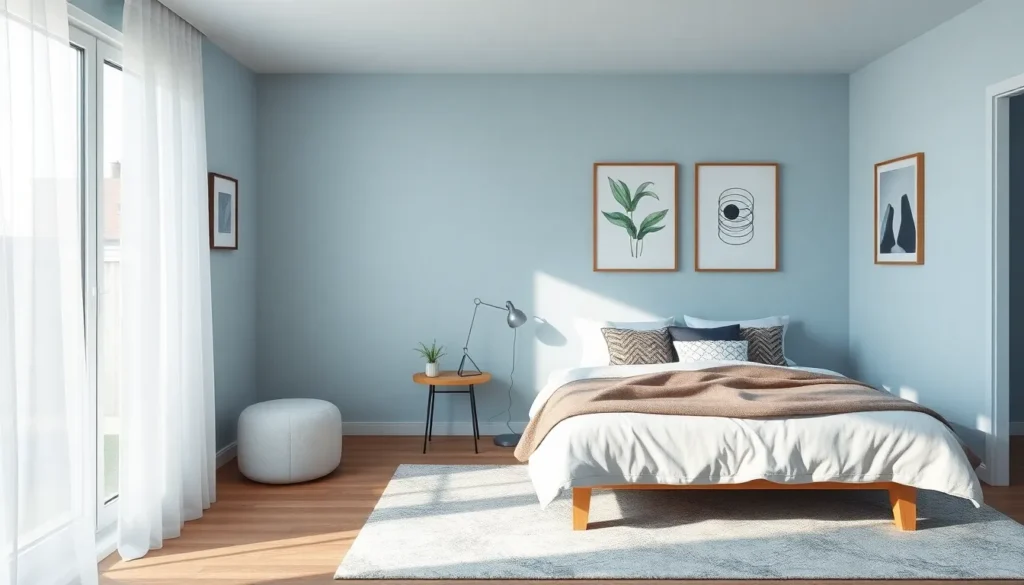
The bedroom serves as a personal sanctuary where comfort meets style. It’s not just a place to sleep; it’s a reflection of one’s personality and a space to unwind after a long day. With the right design elements, anyone can transform their bedroom into a haven that promotes relaxation and rejuvenation.
From choosing the perfect color palette to selecting furniture that balances aesthetics and functionality, bedroom design plays a crucial role in creating an inviting atmosphere. Whether it’s a minimalist retreat or a cozy, eclectic space, understanding the fundamentals of design can elevate any bedroom into a stunning reflection of its inhabitant’s taste and lifestyle.
Importance Of Bedroom Design
Bedroom design significantly impacts comfort and overall well-being. A thoughtfully designed bedroom enhances relaxation, supporting a restful night’s sleep. Factors like color palettes influence mood; calming tones like blues and greens create a serene environment.
Furniture selection also plays a crucial role. Functional furniture ensures efficient use of space while maintaining aesthetic appeal. Items like multi-functional beds or elegant nightstands help maximize storage without compromising style.
Personal expression is vital in bedroom design. Each element—from artwork to decorative pillows—reflects individual taste, creating a unique ambiance. Customizing design elements fosters a sense of ownership, making the bedroom a true sanctuary.
Understanding design principles leads to improved functionality. Concepts such as balance, proportion, and rhythm guide layout decisions, contributing to a visually pleasing and harmonized environment. Implementing these principles allows for a space tailored to individual needs and preferences.
Bedroom design serves as a foundation for daily rejuvenation. A well-considered space enhances quality of life, promoting peace and relaxation in a personal retreat.
Key Elements Of Bedroom Design
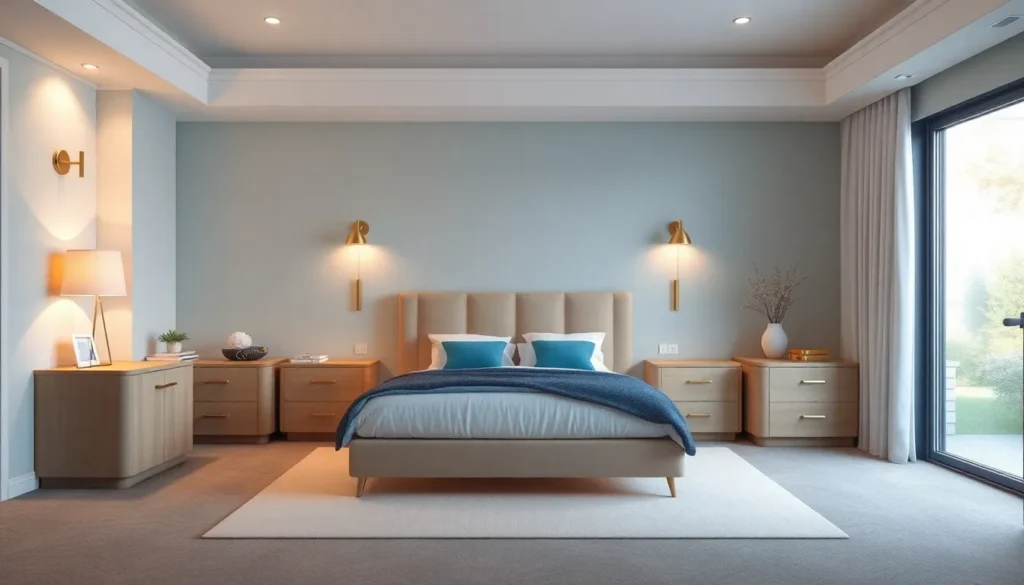
Key elements in bedroom design include color schemes, furniture selection, and lighting options. Each component plays a crucial role in creating a harmonious and inviting space.
Color Schemes
Selecting the right color scheme creates the desired mood in a bedroom. Calming colors, like soft blues and gentle greens, promote relaxation and tranquility. Neutral tones, such as whites and greys, provide a versatile backdrop for accent pieces. Bold colors, such as deep reds or vibrant yellows, add energy but should be used sparingly to avoid overwhelming the senses. Combining these colors in a cohesive manner enhances visual appeal and reflects personal taste.
Furniture Selection
Furniture selection significantly impacts both functionality and aesthetics in a bedroom. Choosing multi-functional pieces, like a bed with built-in storage or a nightstand with drawers, maximizes available space while maintaining an organized look. Prioritizing comfort is essential; selecting a quality mattress and supportive chairs promotes overall well-being. Additionally, considering the scale of furniture relative to the room size ensures an open atmosphere, allowing for easy movement and interaction.
Lighting Options
Lighting options greatly influence the ambiance of a bedroom. Incorporating layered lighting—ambient, task, and accent—creates a versatile environment suitable for various activities. Ambient lighting provides general illumination, while task lighting focuses on specific areas, like reading nooks or dressing tables. Incorporating natural light through windows or skylights enhances mood and energy levels. Adjustable options, such as dimmer switches, allow for customization, making it easy to achieve the perfect atmosphere at any time of day.
Styles Of Bedroom Design
Various styles of bedroom design can enhance personal expression, comfort, and functionality. Selecting a style that resonates with personal taste can transform a bedroom into a harmonious retreat.
Modern Bedroom Design
Modern bedroom design showcases clean lines and a neutral color palette. It emphasizes simplicity and functionality, often featuring open spaces free from excessive decoration. Furniture used in this style includes low-profile beds and streamlined nightstands. Materials such as glass, metal, and polished wood create a contemporary look. Incorporating geometric shapes and bold artwork can add character without overwhelming the space.
Traditional Bedroom Design
Traditional bedroom design reflects timeless elegance and comfort. Classically inspired furniture, such as four-poster beds and ornate dressers, often forms the foundation. Warm color palettes, including deep greens, rich reds, and warm neutrals, establish a cozy atmosphere. Decorative elements like chandeliers, heavy drapes, and antique accessories add to the sophisticated ambiance. Layering textiles, such as patterned quilts and plush throw pillows, enhances visual interest and comfort.
Minimalist Bedroom Design
Minimalist bedroom design emphasizes “less is more.” This approach prioritizes functionality and simplicity, favoring a clutter-free environment. Neutral tones dominate, with occasional pops of color through decor. The furniture selected includes multi-functional pieces, such as platform beds with storage. Clean lines and open space encourage a sense of calm and tranquility. Natural materials, like light woods and organic textiles, promote a balanced, serene atmosphere.
Tips For Maximizing Space
Effective bedroom design hinges on maximizing space for enhanced functionality.
- Choose Multi-Functional Furniture: Opt for beds that include built-in storage, like drawers or lift-up frames, allowing for efficient use of under-bed areas. Select nightstands with shelves or cabinets to provide additional storage while minimizing clutter.
- Utilize Vertical Space: Install shelving units or bookcases that reach the ceiling to draw the eye upward, creating an illusion of height. Use wall-mounted hooks for clothing or accessories, freeing up floor space and maintaining organization.
- Incorporate Mirrors: Place large mirrors strategically to reflect light and create a sense of openness. Mirrors can make small bedrooms appear larger while adding a decorative element to the design.
- Opt for Light Color Palettes: Use soft, light colors on walls and furnishings to create an airy feel. Light shades enhance natural light and contribute to the perception of space.
- Select Sliding Doors: Use sliding closet doors instead of traditional doors, which require space to swing open. This design choice optimizes access to stored items without encroaching on the limited floor area.
- Limit Accessories: Keep decor simple and intentional. Fewer accessories reduce visual clutter, allowing the room to appear more spacious.
- Create Zones: Define areas for different activities, such as sleeping and working, using rugs or strategically placed furniture. This distinction clarifies space usage and enhances overall functionality.
Implementing these tips enhances the bedroom’s design, resulting in a well-organized and inviting personal retreat.
A thoughtfully designed bedroom can significantly enhance one’s quality of life. By prioritizing personal style and comfort, individuals can create a space that not only looks beautiful but also promotes relaxation and rejuvenation. Incorporating elements like calming colors, functional furniture, and layered lighting can transform a bedroom into a true sanctuary.
The right design choices foster a sense of peace and well-being while reflecting individual tastes. As people explore various styles and practical tips, they can craft a bedroom that serves as an inviting retreat from the outside world. Ultimately, investing time and effort into bedroom design pays off by creating a harmonious environment that supports restful sleep and daily tranquility.