




In the world of decor design construction, creativity meets functionality in a delightful dance. Imagine transforming a plain space into a stunning masterpiece that not only looks fabulous but also serves its purpose. It’s like giving your home a makeover that even the most skeptical interior designer would applaud.
But let’s be honest—decor design construction isn’t just about slapping on some paint and calling it a day. It’s about understanding the nuances of space, style, and structure. Whether it’s a cozy nook or an expansive living area, the right design can elevate a space from drab to fab faster than you can say “open concept.” So grab your hard hat and paintbrush; it’s time to dive into the exciting realm of decor design construction and discover how to create spaces that inspire and impress.
Overview of Decor Design Construction
Decor design construction integrates creativity and functionality, serving as a vital aspect of transforming spaces. Various elements contribute to the overall aesthetic and purpose. Understanding the interplay between space, style, and structure defines the effectiveness of decor.
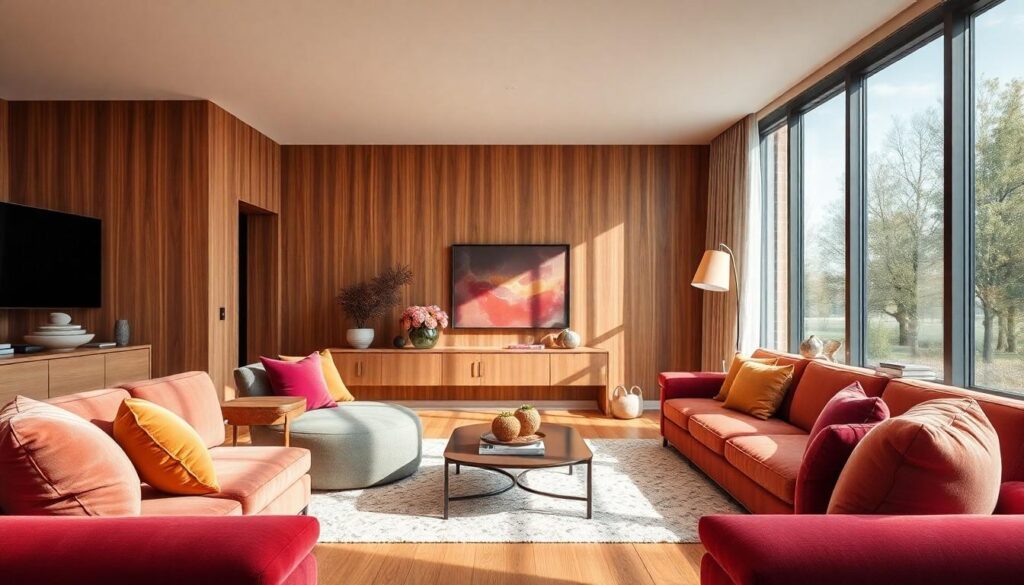
Color choices play a significant role in setting a mood or tone within an area. Neutral tones often create a serene atmosphere, while vibrant colors inject energy into spaces. Textures also influence a room’s feel; combining fabrics like velvet with materials such as wood enhances depth and interest.
Furniture selection shapes the usability of environments. Multi-functional pieces maximize space constraints, making the design practical without sacrificing style. Layout considerations ensure flow and accessibility, facilitating movement throughout the area.
Lighting design impacts ambiance and visibility. Natural light effectively brightens rooms, while strategically placed artificial lighting highlights decor elements. Fixtures can serve as focal points, contributing both beauty and functionality.
Incorporating both personal style and environmental context strengthens the outcome of decor design construction. Reflecting personal tastes leads to inviting atmospheres that resonate with inhabitants. Additionally, integrating sustainable materials aligns decor choices with environmental consciousness, appealing to eco-friendly preferences.
Overall, achieving a successful decor design construction requires balancing aesthetics with context. It involves thoughtful planning, intentional decisions, and a clear understanding of how each element interacts.
Key Elements of Decor Design Construction
Understanding key elements of decor design construction enhances the effectiveness of any design project. Critical components include color schemes and materials that shape a space’s identity.
Color Schemes
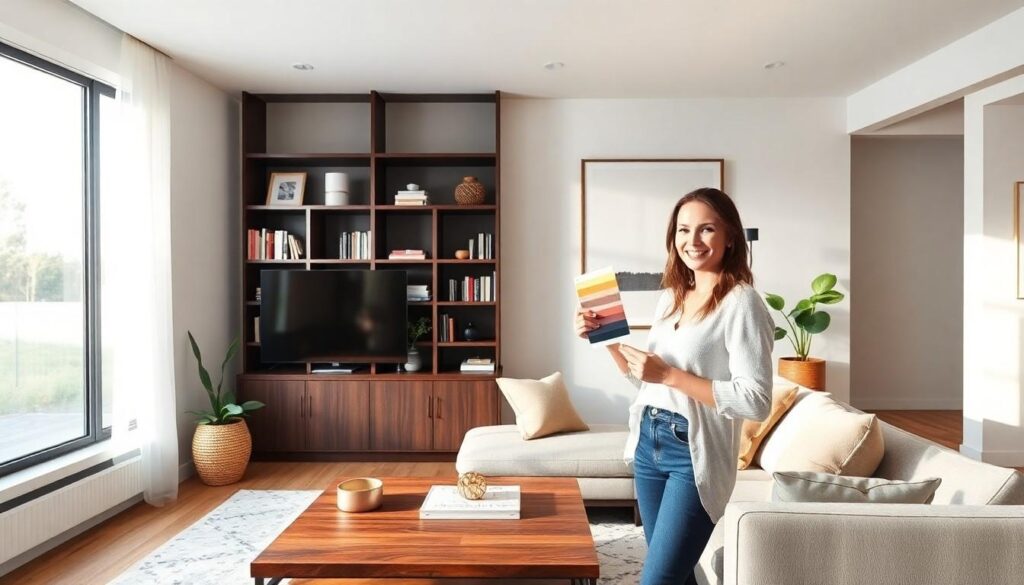
Color schemes hold the power to influence emotions and perceptions within a space. Neutral colors like whites and grays promote tranquility, while bold colors such as reds and yellows inject energy and excitement. Different tones create distinct atmospheres that affect overall comfort levels. Combining various hues can also achieve dynamic contrasts or harmonious blends. Consider color theory to develop a cohesive palette that aligns with the style and purpose of the environment.
Materials and Textures
Materials and textures play vital roles in adding depth and character to decor. Wood offers warmth and a sense of nature, whereas metal introduces a modern edge. Fabrics like velvet or linen contribute softness and visual interest. Combining multiple textures fosters a layered look that enhances the tactile experience. Choosing sustainable materials aligns with eco-friendly trends and appeals to environmentally conscious consumers. Each option provides unique qualities that impact the overall decor aesthetic within a space.
Popular Trends in Decor Design Construction
Current trends in decor design construction highlight the importance of sustainability and simplicity in creating functional spaces. These trends reflect a shift towards environmentally conscious choices and streamlined aesthetics.
Sustainable Design Practices
Sustainable design practices focus on using eco-friendly materials and methods. Designers prioritize renewable resources and energy-efficient solutions. Bamboo, reclaimed wood, and recycled metal are popular choices. Incorporating plants not only adds beauty but also improves air quality. Natural light is maximized through large windows and open layouts. Choosing local suppliers reduces carbon footprints while supporting communities. These practices foster long-term durability and promote healthier living environments.
Minimalist Approaches
Minimalist approaches emphasize simplicity and functionality. Clean lines and stripped-down designs define this trend, creating open spaces that feel less cluttered. Neutral color palettes provide a serene backdrop, allowing intentional decor elements to stand out. Multipurpose furniture maximizes utility while conserving space, appealing to urban dwellers. Decorative accessories often showcase fewer items, leading to a more intentional aesthetic. This style promotes mindful consumption and reduces excess, resonating with consumers seeking clarity and calm.
Challenges in Decor Design Construction
Decor design construction faces various challenges that can significantly impact project outcomes. Budget constraints often dictate the materials and design choices available. Resource limitations may restrict the selection of high-quality items, leading to compromises on aesthetics or durability. Keeping costs in line requires careful planning and detailed cost analysis.
Space limitations also pose challenges. Designers must creatively maximize small or awkwardly shaped areas. Efficient layouts enhance accessibility while ensuring functionality remains intact. Adapting to irregular spaces demands innovative solutions, such as custom furniture or multi-use elements. Balancing design with spatial restrictions creates an opportunity for unique and purposeful environments.
Embracing the principles of decor design construction can significantly enhance any space. By thoughtfully integrating color, texture, and lighting, individuals can create environments that are both functional and aesthetically pleasing. The focus on sustainability and simplicity not only aligns with modern values but also fosters a sense of tranquility and purpose.
Navigating the challenges of design, such as budget and space limitations, opens doors to innovative solutions that reflect personal style while maximizing usability. Ultimately, a well-executed decor design construction transforms ordinary spaces into extraordinary experiences, inviting individuals to enjoy their surroundings in new and inspiring ways.