





Design decor isn’t just about slapping a fresh coat of paint on the walls and calling it a day. It’s a delightful dance of colors, textures, and styles that can transform any space from drab to fab faster than you can say “throw pillow.” Whether you’re looking to create a cozy nook for curling up with a good book or a vibrant space that screams, “Look at me!” design decor has the power to reflect personality and elevate mood.
Overview of Design Decor
Design decor encompasses more than just wall colors. It integrates elements such as furniture, lighting, and accessories to craft a specific mood or atmosphere. Combinations of various textures such as wood, metal, and fabric also play a critical role in enhancing spaces. Textiles like cushions, curtains, and rugs add warmth and comfort to environments.
Color selection influences feelings and perceptions. Warm tones create inviting settings while cool hues promote calmness. Patterns and shapes complement design themes, contributing to visual interest. Unique artwork or decorative items often serve as focal points, drawing attention and sparking conversation.
Functionality remains a core principle of design decor. Spaces should not only look appealing but also accommodate the daily activities of their inhabitants. Selecting furniture that provides comfort while fitting within the aesthetic is essential. Creative storage solutions help maintain organization without compromising style.
Lighting significantly impacts both ambiance and functionality. Natural light sources, when maximized, can energize a room. Artificial lighting options, such as ambient, task, and accent lighting, enhance different aspects and improve usability throughout day and night.
Finally, personal touches connect individuals to their spaces. Incorporating cherished items or souvenirs makes environments more meaningful. Design decor becomes a reflection of identity, showcasing personal style and preferences. Through cohesive design choices, spaces transform into harmonious and inviting retreats.
Popular Design Decor Styles
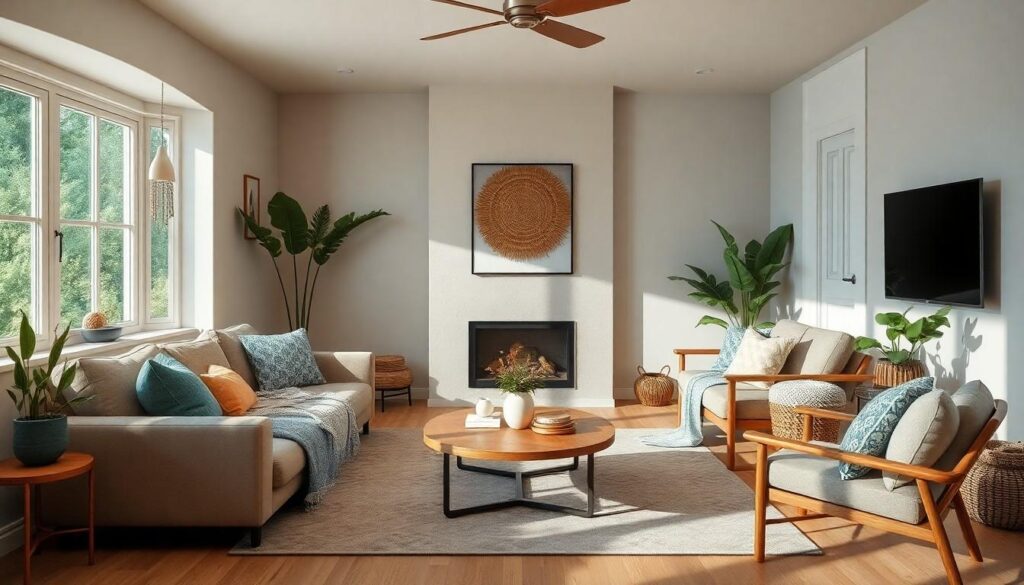
Design decor styles enhance the overall aesthetic of spaces, showcasing personality and preference. Several styles stand out for their unique characteristics.
Modern Minimalism
Modern minimalism emphasizes clean lines and simplicity. This style prioritizes functionality, removing excess decor for an uncluttered look. Neutral color palettes dominate, creating a calm environment. Furniture pieces feature sleek designs, often made from materials like metal or glass. Additional elements include geometric shapes and subtle textures, offering visual interest without overwhelming the space. This style encourages an open layout, allowing for easy movement and interaction.
Bohemian Chic
Bohemian chic reflects a carefree and artistic vibe. This style embraces vibrant colors and mixed patterns, showcasing individuality. Eclectic decor elements, such as ethnic textiles and handmade accessories, play a key role in this aesthetic. Layered rugs and cushions contribute to a warm and inviting atmosphere. Walls often feature artwork from various cultures, adding depth to the environment. Plants frequently enhance this style, bringing a touch of nature indoors.
Rustic Elegance
Rustic elegance combines the charm of the countryside with refined touches. Natural materials like wood and stone create warmth and coziness. This style highlights handcrafted furniture, often featuring distressed finishes that evoke nostalgia. Earthy color tones and soft textures promote a welcoming ambiance. Key elements include vintage accessories and cozy textiles, contributing to an inviting setting. Personal touches, such as family heirlooms, enhance the character of the space.
Key Elements of Design Decor
Design decor blends various elements that significantly enhance spaces. Each component, including color schemes, furnishings, and lighting techniques, contributes to the overall atmosphere.
Color Schemes
Color schemes play a vital role in setting the mood of a room. Warm colors such as reds and yellows create inviting environments, while cooler tones like blues and greens promote relaxation. The combination of colors influences perception and energy levels, allowing for clever contrasts or harmonious blends. Using neutral shades as a base further highlights bolder accents, facilitating versatility in decor. With a well-planned color palette, spaces reflect personal style and emotional intent.
Furnishings and Accessories
Furnishings and accessories shape functionality and aesthetics. Selecting the right furniture ensures comfort and practicality. Sofas, chairs, and tables should complement both the style and size of the space. Accessories such as cushions, rugs, and artwork add personality, enhancing visual interest. Choosing unique pieces creates focal points that draw the eye. Incorporating various materials, like wood, metal, and fabrics, enriches the texture, promoting an inviting atmosphere. Thoughtful arrangement of furnishings enables free movement while fostering a sense of connection in the environment.
Lighting Techniques
Lighting techniques significantly affect ambiance and usability. Natural light brightens rooms and uplifts spirits, so using sheer curtains maximizes its presence. Layering artificial lighting, including overhead fixtures, floor lamps, and table lamps, ensures versatility for different tasks. Dimmers provide control over the brightness, allowing customization for various moods. Accent lighting highlights artwork or architectural features, creating visual intrigue. Strategically placed fixtures enhance the overall design, showcasing the spaces’ best aspects while promoting comfort.
Tips for Choosing Design Decor
Selecting the right design decor starts with understanding personal style. Identify tastes and preferences by reflecting on existing items. Consider styles like modern minimalism, bohemian chic, or rustic elegance. Evaluating these preferences helps create a cohesive theme throughout the space. Prioritizing personal items reinforces an authentic aesthetic.
Budgeting is a crucial step in the decor process. Determine a realistic budget by assessing financial limits. Include all elements like furniture, lighting, and accessories in the plan. Allocating funds effectively ensures a balance between quality and style. Prioritize essential items, making calculated decisions on non-negotiables versus nice-to-haves.
Sourcing materials requires careful consideration. Research local shops, online marketplaces, and thrift stores for unique pieces. Exploring diverse sources promotes creativity and originality in decor. Establishing connections with local artisans can also lead to customized solutions. Prioritizing sustainability by choosing eco-friendly materials reflects a commitment to the environment.
Design decor plays a pivotal role in shaping environments that resonate with individual personalities. By thoughtfully combining colors, textures, and styles, anyone can create spaces that are both inviting and functional. Each element from furniture to lighting contributes to the overall atmosphere, enhancing daily life.
Exploring different decor styles allows for personal expression while ensuring practicality. Whether opting for modern minimalism or rustic elegance, it’s essential to prioritize both aesthetics and usability. With a clear understanding of personal preferences and budget considerations, transforming a space into a harmonious retreat becomes an achievable goal. Embracing the art of design decor ultimately leads to environments that inspire and uplift.