




Table of Contents
ToggleA clogged drain in Knoxville doesn’t have to mean an expensive emergency call or a day waiting for a plumber. Whether it’s a slow-moving bathroom sink, a backed-up kitchen drain, or a shower that won’t drain properly, the good news is that you have options, many of which you can tackle yourself before reaching for professional help. This guide walks you through both DIY drain cleaning methods and clear signals for when to call in a licensed pro. Drain cleaning Knoxville TN homeowners rely on can range from simple plunger work to enzyme-based cleaners, so let’s cover what actually works and what’s worth your time.
Key Takeaways
- Drain cleaning Knoxville residents can tackle simple clogs with a quality plunger or baking soda and vinegar solution, saving money on professional service for minor blockages.
- Professional drain cleaning using motorized snakes, hydro-jetting, and camera inspections is essential for clogs deeper than 10 feet, recurring problems, or main-line backups that DIY methods cannot resolve.
- Call a licensed Knoxville plumber immediately if multiple drains back up simultaneously, water reverses into fixtures, or sewer odors appear—these signal serious main-line issues or pipe damage requiring expert diagnosis.
- The baking soda and vinegar method is safe for all pipe types (PVC, cast iron, copper, galvanized steel) and works best on clogs within the first 3–6 feet, making it ideal for preventive maintenance.
- Tree root intrusion is common in Knoxville’s humid climate; a camera inspection ($200–$400) can identify roots damaging pipes underground before they cause expensive backups.
- Standard professional drain cleaning costs $150–$300, while hydro-jetting and inspections cost more but often prevent costly future repairs and water damage emergencies.
Why Professional Drain Cleaning Matters
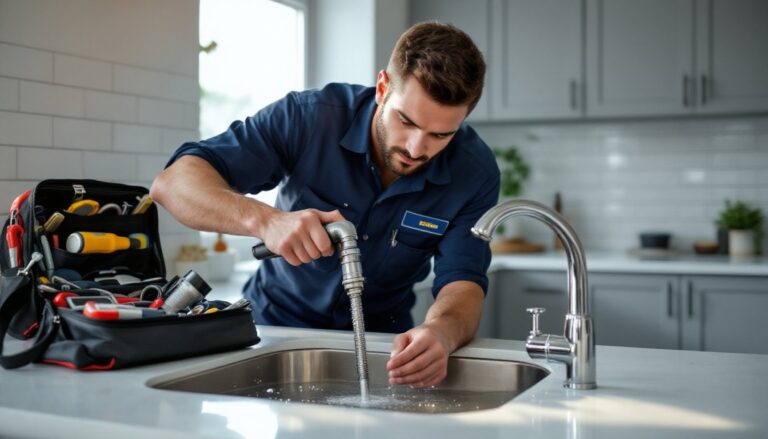
Before diving into DIY fixes, it’s worth understanding what professional drain cleaning can do that a plunger or baking soda can’t. Licensed Knoxville drain cleaning technicians use motorized drain snakes, hydro-jet systems, and camera inspections to spot blockages deep in your line, places your hand or a simple plunger won’t reach.
Hydro-jetting, for example, uses high-pressure water to blast away built-up grease, mineral deposits, and tree roots from inside your pipes. That’s not something a homeowner can replicate with vinegar. A video inspection camera lets plumbers see exactly where a clog or crack is located, which means they diagnose problems faster and more accurately than guessing. According to top-rated drain cleaners in Knoxville, TN, most emergency calls involve clogs deeper than 10 feet into the main line, where DIY methods fail.
Professional cleaning also addresses recurring clogs. If you’re plunging the same drain every few weeks, there’s likely a structural problem, a broken pipe, improper pitch, or tree root intrusion. A professional spots these issues before they turn into a backup that floods your basement or yard. For cosmetic clogs in accessible spots (like your bathroom sink), DIY methods often work fine. For repeated trouble or main-line issues, it’s smarter to get a professional diagnosis upfront.
DIY Drain Cleaning Methods That Work
The Plunger Technique
A quality cup plunger (the standard one with a rubber dome, not a flange plunger designed for toilets) is your first line of defense for a slow or stopped sink, tub, or shower. The key is creating a proper seal and building pressure, not just flailing away.
Here’s how to plunge effectively:
- Fill the sink or tub with enough water to cover the plunger cup (usually 3–4 inches). If it’s a double sink, plug the overflow or the opposite drain with a wet cloth so pressure doesn’t escape.
- Center the plunger over the drain and press down firmly without breaking the seal.
- Push and pull vigorously 15–20 times in rapid succession, then lift quickly. You want to dislodge the clog with pressure and suction, not just push water around.
- Check if water drains. If it’s still slow, repeat 2–3 times. If nothing budges after three attempts, the clog is probably too far down or too dense for a plunger.
Safety tip: Wear old clothes: splashback is real. If you’ve recently used a chemical drain cleaner, wear gloves and goggles because the standing water may contain caustic residue.
A good plunger costs $10–$20 and lasts years. Cheap ones collapse under pressure: invest in one with a sturdy handle and reinforced cup.
Baking Soda And Vinegar Solution
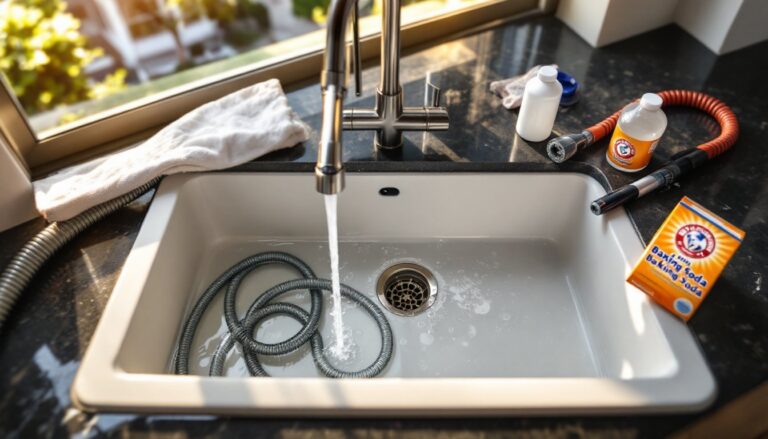
Baking soda (sodium bicarbonate) and white vinegar create a fizzy reaction that can break up soft clogs like hair and soap buildup. It won’t dissolve tree roots or shift a solid blockage, but for maintenance or early-stage sluggish drains, it’s safe, non-toxic, and you probably have both in your kitchen.
Here’s the process:
- Remove any visible debris from the drain (hair, food bits) by hand or with a small wire strainer.
- Pour ½ cup of baking soda directly down the drain, followed by ½ cup of white vinegar. The reaction happens immediately, you’ll see fizzing and hear bubbling.
- Plug or cover the drain to keep the reaction working downward instead of erupting up. Let it sit for 15–30 minutes.
- Boil a kettle of water and slowly pour it down the drain to flush away loosened debris.
- Run hot water for 30 seconds to clear the line.
This method works best on clogs within the first 3–6 feet of the drain. For stubborn clogs, you can repeat once or twice, but if it doesn’t work after two attempts, the blockage is likely beyond what baking soda and vinegar can handle. Unlike harsh chemical cleaners (which damage old pipes and are dangerous to handle), this approach is gentle and safe for all pipe materials, PVC, cast iron, copper, or galvanized steel.
Pro tip: Run this process weekly on slow drains as preventive maintenance. It keeps pipes fresher and reduces the frequency of full clogs.
You can also purchase enzyme-based drain cleaners (like Green Gobbler or Bio-Clean), which use natural bacteria to break down organic matter. They’re safer than sulfuric acid products and work over several hours, making them good for overnight treatment. They typically cost $8–$15 per bottle.
When To Call A Knoxville Drain Cleaning Service
Not every drain problem is a DIY win. Knowing when to stop trying and call a professional saves you time, frustration, and potentially thousands in water damage.
Call a plumber if:
- The clog returns within days or weeks. Recurring clogs signal a structural issue, a broken section of pipe, improper slope, or blockage too deep for standard plunging.
- Multiple drains in your home are slow or backed up simultaneously. This usually points to a main-line clog, which you can’t clear with a plunger or baking soda. A professional drain snake or hydro-jet is needed.
- Water backs up into your tub, shower, or toilet when you use another fixture. This is a red flag for a blockage in your main sewer line and requires immediate professional attention.
- You smell sewer odors coming from drains or your yard. This suggests a cracked or broken line, which no amount of drain cleaning will fix, it needs pipe repair or replacement.
- You have an older home with cast-iron or galvanized steel pipes. Chemical cleaners can corrode these materials. A professional with a motorized snake or camera inspection is safer and more precise.
- The clog is in a main line, basement, or crawlspace where you can’t safely access it. Trying to force a plunger in a dark, cramped area invites injury.
Knoxville’s humid climate and older infrastructure in some neighborhoods mean tree root intrusion is common. Roots seek moisture and can puncture or crack pipes underground. A camera inspection (typically $200–$400) identifies roots before they cause a major backup.
For cost estimates on professional drain cleaning in your area, HomeAdvisor’s cost calculator and local Knoxville plumber reviews are good starting points. A standard drain cleaning runs $150–$300: hydro-jetting or camera inspection costs more but often prevents future problems.
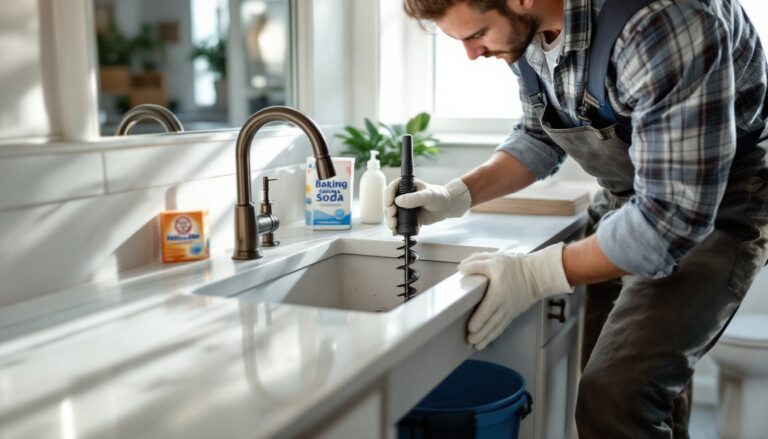
If you’re handy and want to try a motorized drain auger (electric plumbing snake) for a clog you can reach, Family Handyman’s plumbing tutorials walk through safe auger use. Rental augers are $50–$100 per day at tool rental shops. Just note: improper auger use can scratch or crack pipes, so this is best left to pros if you’ve never done it.
Conclusion
Drain cleaning in Knoxville doesn’t always require a professional visit. For slow sinks and tubs caused by hair and soap, a plunger or baking soda and vinegar often do the job in minutes. But when clogs return quickly, multiple drains back up, or you smell sewer odors, it’s time to stop troubleshooting and call a licensed plumber. Knowing your limits, and your pipe’s limits, keeps small problems from becoming expensive disasters. Start simple, assess honestly, and don’t hesitate to bring in pros when needed.