




Table of Contents
ToggleClogged drains are one of the most common plumbing problems Columbus homeowners face, whether it’s a slow sink, a backed-up shower, or a sluggish toilet. Before you panic or reach for that chemical drain cleaner, there are several effective methods you can try yourself, many using items already in your pantry. This guide walks you through practical DIY solutions, helps you understand when it’s time to call a professional, and gives you preventive strategies to keep your drains flowing freely. Whether you’re dealing with a single stubborn drain or planning to tackle plumbing maintenance across your home, you’ll find actionable advice that doesn’t require expensive tools or specialized knowledge.
Key Takeaways
- The baking soda and vinegar method is a safe, cost-effective solution for drain cleaning Columbus Ohio homes that works best on slow drains and partial clogs without harsh chemical damage.
- Hand-crank drain snakes ($15–$40) and plungers are effective DIY tools for dislodging stubborn blockages, but professional equipment is needed for main sewer line issues.
- Multiple drains backing up simultaneously indicate a main sewer line problem requiring professional inspection, which typically costs $100–$200 and pinpoints the exact cause.
- Hard water buildup and tree root intrusion are common in Columbus homes; regular maintenance with baking soda treatments and drain screens prevent clogs before they become expensive repairs.
- Professional drain cleaning services in Columbus range from $125–$900 depending on clog severity, making preventive measures and early DIY intervention significantly more cost-effective than emergency repairs.
Understanding Common Drain Problems in Columbus Homes
Columbus homes, like many Midwest properties, deal with specific drain challenges. Hard water buildup from the local water supply can cause mineral deposits that restrict flow over time. Tree roots near older homes sometimes penetrate clay sewer lines, creating blockages that worsen with rain or snowmelt. Hair, soap scum, and food particles accumulate in traps and P-bends, the curved sections of pipe under sinks designed to hold standing water that prevents sewer gas from entering your home.
Understanding what’s causing your drain problem helps you choose the right solution. A slow drain usually indicates a partial clog from buildup, while a completely stopped drain suggests a more serious blockage. If multiple drains in your home are backing up simultaneously, the problem likely isn’t in individual fixtures but in the main sewer line, a situation that definitely requires professional help. Before assuming the worst, though, try addressing the most common culprits: debris in the trap, buildup around the drain opening, and hydro-jetting opportunities that pros handle but you might prevent through maintenance.
DIY Drain Cleaning Methods That Actually Work
The Baking Soda and Vinegar Solution
The baking soda and vinegar method works surprisingly well for partial clogs and routine maintenance, especially for kitchen and bathroom drains. It’s safe, inexpensive, and produces no toxic fumes, a real advantage over chemical drain cleaners that can corrode pipes and harm your skin on contact.
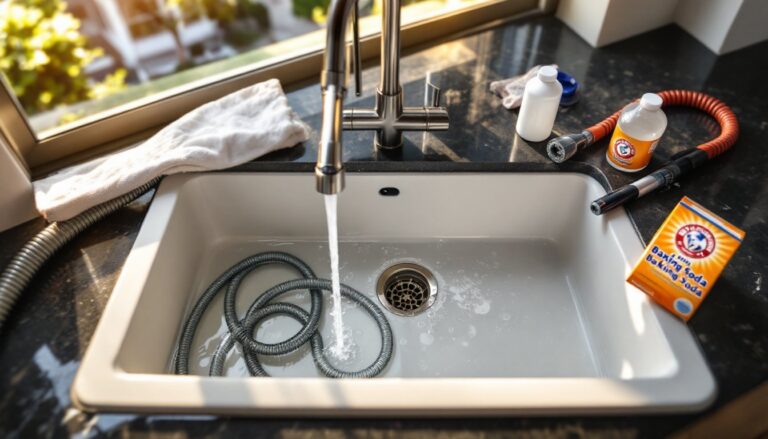
Here’s the process: Remove any standing water from the drain using a cup or wet/dry shop vacuum. Pour about ½ cup of baking soda directly into the drain, then follow it with 1 cup of white vinegar. The mixture will fizz and bubble, that action helps break up minor blockages and loosen debris. Cover the drain opening with a plug or wet cloth to keep the reaction working down the pipe rather than foaming up and out. Let it sit for at least 30 minutes (overnight is even better for stubborn buildup), then flush with boiling water. For kitchen sinks, this method cuts through grease buildup: in bathrooms, it addresses hair and soap scum effectively.
This approach works best on drains that are slow but still draining. If your drain is completely stopped, you’ll need to clear the blockage first before this chemical reaction can do its job.
Using a Plunger and Snake Effectively
A standard cup plunger works on sinks and tubs, while a flange plunger (with the extra rubber extension) is designed for toilets. The key is creating a seal around the drain and generating strong downward pressure. For sinks, fill the basin with a few inches of water, place the plunger directly over the drain, and pump vigorously 15–20 times. You’re trying to dislodge the clog, not just move water around.
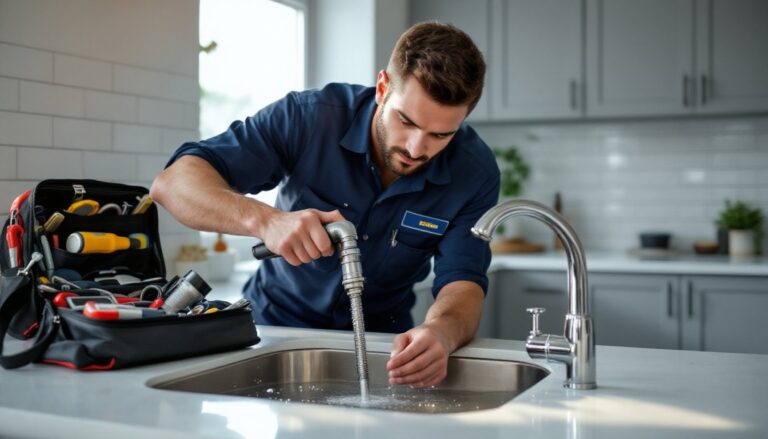
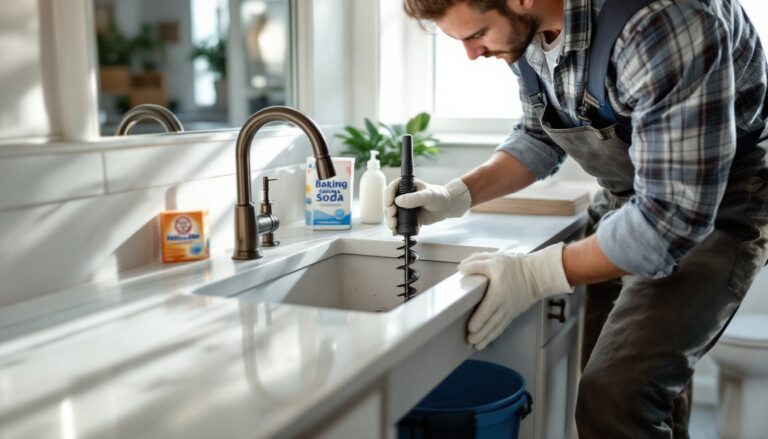
For stubborn clogs, a hand-crank drain snake (also called an auger) is your next step before calling a professional. These typically cost $15–$40 and handle blockages plungers can’t shift. Insert the snake’s tip into the drain and crank the handle, which rotates the coiled wire and breaks up or hooks debris. As you feel resistance, you’re either hitting the clog or reaching a bend in the pipe, keep turning gently. Once you break through, crank a few more times, then pull back slowly. You’ll often retrieve hair, soap, and other debris wrapped around the wire.
Snakes work well for kitchen and bathroom sink drains but are less effective on main sewer lines, where the blockage is often deeper and more stubborn. For those situations, professionals use motorized snakes that can navigate longer distances and exert more force safely. Family Handyman’s plumbing guides offer visual tutorials on snake technique if you’re unfamiliar with the tool.
When to Hire a Professional Drain Cleaning Service
There are clear situations where DIY solutions won’t cut it. If your drain problem persists after trying baking soda, vinegar, a plunger, and a hand snake, professional help makes sense. Similarly, if multiple drains back up at the same time, your toilet, shower, and sink all draining sluggishly, you’re likely dealing with a main sewer line clog, which requires professional equipment and expertise.
Also consider hiring a pro if you suspect tree root intrusion (common in older Columbus neighborhoods with mature trees and clay sewer lines). Roots penetrating pipes cause recurring problems that DIY snaking won’t permanently fix. A professional can use a camera inspection to see exactly what’s happening inside the line and recommend whether hydro-jetting, trenchless repair, or traditional replacement is necessary.
In Columbus, drain cleaning services typically charge based on the severity and location of the clog. Local pricing for drain cleaning ranges from $125 to $900, depending on whether the issue is in a single fixture, under the house, or out at the main sewer line. A professional inspection often costs $100–$200 but saves money by pinpointing the real problem before you waste time on ineffective solutions. Many pros offer camera inspections that show you exactly what’s clogging your line, valuable information for understanding whether the problem will recur and how to prevent it.
Preventing Future Drain Issues in Your Home
Once you’ve cleared a clog, keeping drains flowing prevents the frustration and expense of repeat problems. In kitchens, use drain screens to catch food particles before they enter the pipe. Avoid pouring grease down the drain: let it cool and solidify in the pan, then throw it away. Run hot water periodically to help dissolve soap and mineral buildup.
In bathrooms, hair is the primary culprit. Install a drain strainer in showers and tubs, and remove accumulated hair weekly. Monthly baking soda and vinegar treatments maintain drains without harsh chemicals and help prevent slow drains from becoming full blockages.
For hard water areas (common in Columbus), consider a water softener to reduce mineral deposits inside pipes over time. If you’re renting, HomeAdvisor’s guides on maintenance include tenant-friendly tips that don’t require permanent modifications. In older homes with clay pipes, tree root management matters too, avoid planting new trees directly over sewer lines, and contact a professional if you suspect root intrusion because early treatment prevents catastrophic failures.
Regular maintenance beats emergency repairs every time. Most drain problems start small and worsen gradually, which means catching them early costs far less than waiting for a complete backup.
Conclusion
Drain cleaning doesn’t always require expensive professional help. Simple methods like baking soda and vinegar, plungers, and hand snakes solve most common clogs quickly and safely. Know your limits, though, if the problem persists, affects multiple drains, or stems from main line or root issues, calling a professional saves time and prevents damage. With preventive maintenance and the right DIY approach, you’ll keep Columbus drains flowing freely for years.