





Table of Contents
ToggleClogged drains don’t announce themselves politely. One day you’re brushing your teeth, and the next, water’s pooling around your feet in the shower. If you’re a homeowner in Frisco, you’ve probably faced this frustration at least once, and if you haven’t, you will. Drain issues range from slow-draining sinks that seem to get worse by the week to catastrophic backups that demand immediate attention. The good news? Many clogs respond well to simple DIY drain cleaning methods, and knowing when to call in backup can save you money and headaches. This guide walks you through both approaches, so you can tackle Frisco drain problems with confidence.
Key Takeaways
- Regular drain maintenance prevents expensive repairs and is especially important for Frisco homes affected by hard water mineral deposits and seasonal weather challenges.
- DIY drain cleaning methods like baking soda and vinegar, plunging, and drain snakes can effectively clear common clogs caused by hair, soap, and grease buildup.
- Call a professional drain cleaning service immediately if multiple drains back up simultaneously, you smell sewer gas, or DIY methods fail after two attempts, as these indicate serious structural issues.
- Install drain screens, avoid pouring grease down sinks, and flush drains monthly with boiling water to prevent future clogs and keep your Frisco plumbing system running smoothly.
- Professional drain cleaning in Frisco costs $150–400 for basic service, with hydro-jetting available for stubborn mineral deposits that DIY tools cannot remove.
- Consider a whole-home water softener for $500–2,000 to combat Frisco’s hard water and protect your plumbing system from recurring mineral buildup.
Why Regular Drain Maintenance Matters for Frisco Homes
Frisco’s hard water and seasonal weather patterns create unique challenges for home plumbing systems. Mineral buildup from hard water accumulates inside pipes over time, narrowing passages and slowing water flow. Combined with the lint, hair, soap scum, and food debris that enter drains daily, this creates a recipe for expensive repairs down the road.
Regular drain maintenance isn’t flashy work, but it’s preventive medicine for your home. A drain that drains slowly today becomes a backed-up drain tomorrow, and backed-up drains can damage your home’s foundation, create mold, and force you into emergency plumbing calls that cost three times what routine service would.
Think of it this way: you don’t wait for your car to break down completely before you change the oil. Same principle applies here. Monthly or quarterly drain flushing keeps systems moving freely and catches small problems before they spiral. For Frisco homes in particular, where hard water is more prevalent, this maintenance pays real dividends.
Common Drain Problems in Frisco and What Causes Them
Understanding what’s clogging your drain matters because different problems need different solutions.
Hair and Soap Buildup in bathroom drains is the most common culprit. Hair tangles with soap scum and grease, creating dense mats that trap water. Kitchens face a different enemy: grease and food debris. Cooking oils solidify as they cool inside pipes, catching food particles and forming blockages that’re harder to shift than they seem.
Hard Water Mineral Deposits are especially persistent in the Frisco area. This white, crusty buildup reduces water flow and catches other debris more easily. Older homes may have tree roots infiltrating underground lines, roots seek moisture and can crack pipes or create partial blockages that worsen over time. This one demands professional attention: DIY solutions won’t cut it.
Collapsed or Damaged Pipes from age, settling, or poor initial installation can trap water or debris. Again, this requires professional diagnosis and repair. Knowing whether you’re dealing with surface buildup or a structural issue determines whether you grab the plunger or reach for the phone. When in doubt, a plumber’s camera inspection costs $150–300 and tells you exactly what you’re facing.
DIY Drain Cleaning Methods You Can Try at Home
Before you call a professional, several straightforward techniques can clear common clogs. These work best on slow drains or early-stage blockages, not on complete backups.
Baking Soda and Vinegar Technique
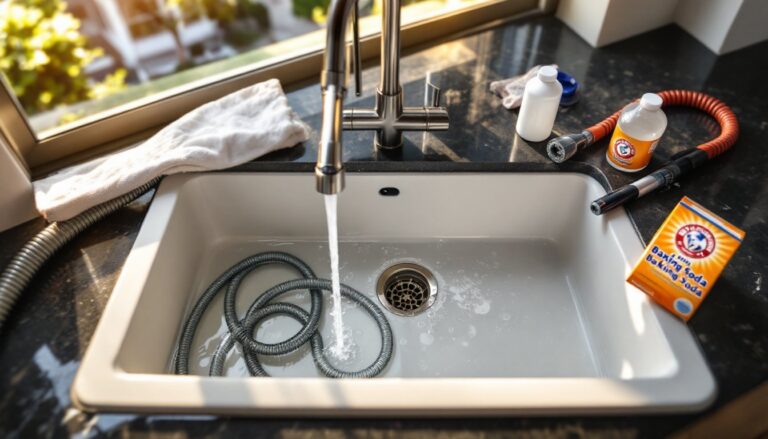
This method relies on a simple chemical reaction to break down buildup. You’ll need baking soda, white vinegar, hot water, and a drain plug or old cloth.
- Remove standing water from the drain with a cup or wet/dry vacuum if it’s pooled there.
- Pour 1/2 cup of baking soda directly down the drain.
- Follow immediately with 1 cup of white vinegar, it’ll bubble and fizz, which is the reaction doing the work.
- Plug the drain tightly (use the drain stopper or stuff a cloth in to keep pressure inside the pipe).
- Let it sit for 30 minutes to several hours. Overnight is even better for stubborn buildup.
- Flush the drain with a kettle of boiling water.
This works on hair, soap, and organic matter. It won’t dissolve mineral deposits or shift roots, but for a slow bathroom sink after a few days of hair shedding, it often works without chemicals. The fizzing action physically loosens trapped debris.
Plunger and Boiling Water Approach
Simple, effective, and surprisingly forgotten by many homeowners.
- Fill the sink or tub so water covers the plunger cup by 2–3 inches.
- For sinks, block the overflow hole (the small opening near the rim) with a wet cloth so pressure builds properly.
- Place a standard cup plunger over the drain opening (not a flange plunger, which is for toilets).
- Push down and pull up vigorously 15–20 times, keeping a seal around the cup.
- Lift the plunger to see if water drains. Repeat if needed.
- Once the clog breaks, flush with a kettle of boiling water to clear debris and soap residue.
Boiling water alone often works on grease-based kitchen clogs, the heat melts buildup. But, don’t pour boiling water into PVC pipes: the heat can damage them. Check under your sink: if the pipes are white or light gray, they’re likely PVC, so use very hot (not boiling) tap water instead.
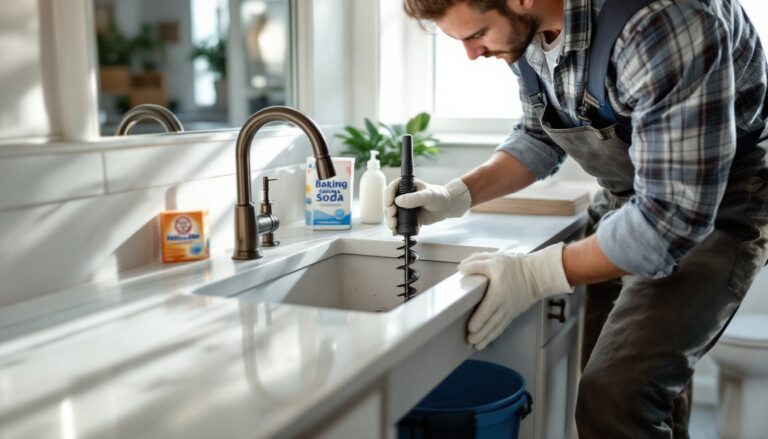
For stubborn clogs, a plumbing auger (also called a drain snake) is a worthwhile investment if you own a home. A 25-foot auger costs $20–50 and works on clogs a plunger can’t reach. Feed it down the drain slowly, rotating and pushing when you hit resistance. Don’t force it, you can damage pipes.
When to Call a Professional Drain Cleaner
Know your limits. Some situations demand a licensed plumber, and recognizing them saves money and frustration.
Call a professional immediately if:
• Water backs up into your shower or tub when you flush the toilet (main line blockage)
• You smell sewer gas or see sewage anywhere in your yard
• Multiple drains in your home are slow or backing up simultaneously
• DIY methods haven’t worked after two attempts
• You suspect tree roots, pipe damage, or structural issues
• Your home is older and you haven’t had the lines professionally inspected
Professional plumbers use video inspection cameras, motorized augers, and hydro-jetting equipment (high-pressure water blasts that clear even mineral deposits) that DIY tools can’t match. A camera inspection pinpoints the exact clog location and whether it’s simple buildup or a damaged pipe. This prevents you from wasting time on a DIY fix for a problem requiring pipe replacement.
In Frisco, drain cleaning services typically charge $150–400 for a basic service call plus material removal. Hydro-jetting costs more but completely clears lines. You can find rated local professionals through sites like Angi’s list of Frisco drain cleaners or HomeAdvisor, which let you compare prices and read customer reviews before committing.
Preventing Future Drain Issues in Your Frisco Home
An ounce of prevention beats a pound of cure, especially with drains.
Install drain screens in every sink, shower, and tub. They cost $1–3 and catch hair before it enters pipes. Empty them weekly, it takes 10 seconds.
Never pour grease down the kitchen sink. Let it cool in a container, then toss it in the trash. Even “drain-safe” products clog eventually. If you’re cooking regularly, wipe pans with a paper towel before washing them.
Flush drains monthly with boiling water (or hot tap water for PVC pipes) to keep lines clear and prevent odors. Make it a habit on the first Saturday of each month.
For hard water, consider a whole-home water softener if you have recurring mineral buildup. It costs $500–2,000 installed but protects your entire plumbing system and extends appliance life. This is especially worthwhile in Frisco if you’re dealing with persistent slow drains even though regular cleaning.
Don’t use chemical drain cleaners unless absolutely necessary. They’re harsh on pipes, especially older ones, and they poison environmental water systems. Save them for true emergencies, and follow label instructions exactly. Even better, avoid them entirely, they often don’t solve structural problems and can mask warning signs of bigger issues.
Have your main line professionally cleaned every 3–5 years if your home is over 20 years old or if you’re prone to clogs. A camera inspection every other year catches developing problems early. For practical step-by-step guidance on related home maintenance, house cleaning service approaches share similar preventive principles, stay ahead of problems rather than reacting to crises.
These habits aren’t glamorous, but they’re the difference between a $50 monthly flush and a $3,000 emergency pipe replacement.