





Table of Contents
ToggleSan Antonio’s warm climate and aging infrastructure create a perfect storm for drainage headaches. Hard water, tree roots sneaking into clay pipes, and slow-draining sinks are facts of life for homeowners in the area. The good news? Many clogs can be cleared without calling a plumber, and when you do need professional help, knowing what to expect makes the process faster and less expensive. This guide walks you through drain cleaning in San Antonio, covering what you can tackle yourself and when to bring in the experts.
Key Takeaways
- Drain cleaning in San Antonio is complicated by hard water mineral buildup, tree root intrusion, and aging clay pipes—issues requiring both DIY awareness and professional intervention.
- Simple plunging and baking soda-vinegar treatments can clear minor clogs and prevent expensive pipe damage when applied regularly as maintenance.
- Professional drain cleaning with motorized augers or hydro-jetting is necessary for recurring blockages, multiple fixture backups, or sewage odors, with costs typically ranging from $150–$500.
- Preventive measures like drain screens, avoiding grease disposal, and monthly maintenance routines stop most clogs before they start.
- Tree roots near sewer lines and mineral-scaled pipes in older homes require periodic professional video inspections to catch problems early and avoid costly replacements.
Why San Antonio Drains Clog More Often Than You’d Think
San Antonio’s drainage challenges aren’t random, they’re rooted in local geography and home construction. The area’s high mineral content in tap water leads to sediment and scale buildup inside pipes over time. This happens faster in older homes where galvanized steel or cast iron drains are still in use: modern PVC holds up better but isn’t immune.
Tree roots are another culprit, especially in neighborhoods with mature oak and pecan trees. Roots sense moisture and will exploit tiny cracks in sewer lines, creating blockages that snowball into serious problems. Clay pipes, common in San Antonio’s older neighborhoods, are particularly vulnerable. Heavy rainfall, while less frequent than in other Texas areas, can overwhelm municipal systems and back up into home drains.
Minor clogs from hair, soap scum, and kitchen grease build up gradually and often go unnoticed until water drains noticeably slower or stops altogether. Catching these early prevents expensive pipe damage down the road.
DIY Drain Cleaning Methods That Actually Work
Before reaching for the phone, try these proven methods. Most homeowners have the tools already, and if a clog is minor, you’ll save the cost of a service call.
The Plunger Method for Simple Blockages
A plunger works best on slow drains and fresh clogs. Fill the sink with enough water to cover the plunger cup by an inch, then place it directly over the drain opening. Block the overflow hole (in sinks) with a wet cloth to create proper suction, then plunge vigorously up and down for 15–20 seconds. Repeat if water doesn’t drain. For toilet clogs, use a flange plunger (the kind with the extra rubber extension) rather than a standard cup plunger, it seats better in the bowl.
This method works because plunging creates pressure waves that dislodge debris stuck near the drain opening. It’s most effective on soft blockages like hair or toilet paper, and less so on hardened grease or mineral deposits deep in the pipe.
Baking Soda and Vinegar: A Natural Approach
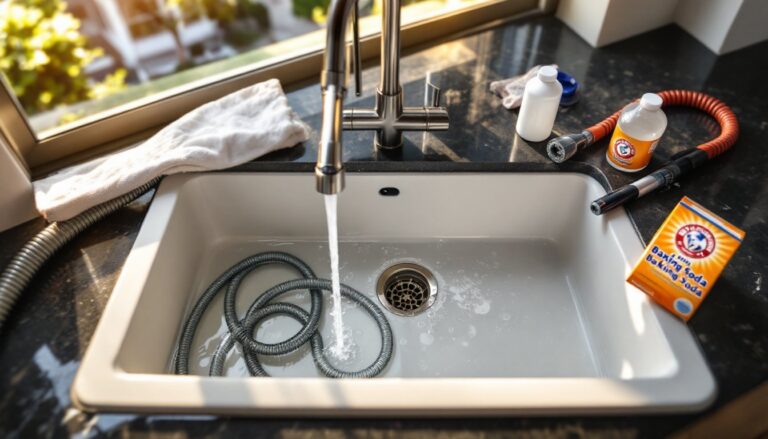
Pouring caustic chemical drain cleaners down your pipes is tempting, but they corrode old pipes and harm the environment. Baking soda and white vinegar offer a gentler, safer alternative. Remove standing water from the drain with a cup or small bucket, then pour about 1 cup of baking soda directly into the drain. Follow immediately with 1 cup of white vinegar, it’ll fizz and bubble as the two react. Cover the drain with a plug or damp cloth to keep the fizzing action inside the pipe, then wait 30 minutes. Flush with boiling water (or hot tap water if you have plastic pipes that might warp).
This method works on soft blockages and helps freshen drain odors. It won’t clear serious clogs, but it’s ideal for routine maintenance, do it monthly to prevent buildup. If the drain is completely blocked with standing water, skip this and use a plunger first.
When to Call a Professional Drain Cleaner
Sometimes DIY methods fall short, and that’s when a professional service makes sense. Signs you need drain cleaning in San Antonio include backups in multiple fixtures (kitchen, bathroom, toilet), gurgling sounds from drains, sewage odors in your yard, or slow drainage that doesn’t respond to plunging or baking soda treatments.
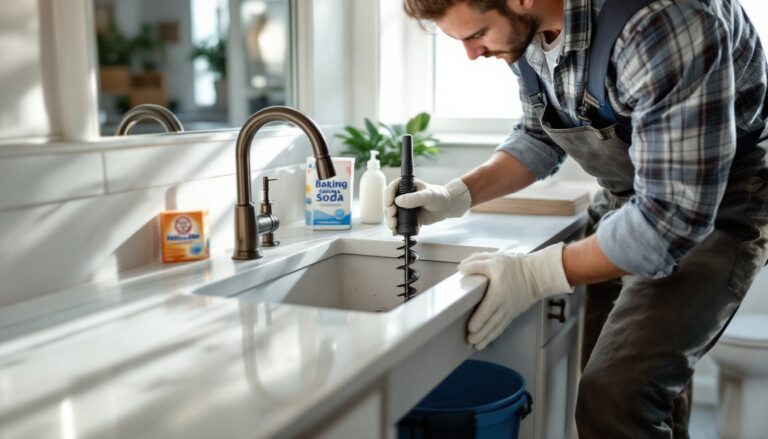
Older homes with tree root intrusion or mineral-scaled pipes need professional equipment. Plumbers use motorized augers (also called snakes) to break through tough blockages, or hydro-jetting, high-pressure water jets that scour pipe walls clean. Hydro-jetting costs more upfront but leaves pipes cleaner and lasts longer. For recurring clogs, a professional video drain inspection shows exactly where the problem is, saving guesswork and repeat calls.
Cost varies widely depending on severity and method. A standard drain cleaning runs $150–$300 in San Antonio, while hydro-jetting and root removal can exceed $500. Many homeowners find that comparing quotes from top-rated local drain cleaners helps balance cost and reliability. If your entire sewer line is compromised, you’re looking at more substantial work that requires permits and possibly landscape disruption, don’t delay on this, as sewage backups pose health risks.
Preventing Future Drain Problems in Your San Antonio Home
A little preventive maintenance sidesteps most clogging headaches. Install drain screens or strainers in kitchen and bathroom sinks to catch hair and debris before they enter pipes, they cost a few dollars and take seconds to clean. Never pour grease down the kitchen drain: let it solidify in a can and toss it in the trash. Wipe greasy dishes with a paper towel before washing them.
Run hot water through drains weekly after using them, especially the kitchen. This helps flush minor debris before buildup occurs. Use the baking soda and vinegar routine monthly as a maintenance step. For homes with older galvanized pipes or known mineral issues, consider water softening or filtration to reduce scale buildup inside pipes.
Outside, keep tree roots away from sewer lines by planting trees at least 10 feet away from known pipe runs. If you already have mature trees near your house, request a sewer line inspection every few years, catching root intrusion early is far cheaper than removing the tree or replacing damaged pipes. In San Antonio specifically, be aware of heavy rainstorms and ensure yard grading directs water away from your foundation and septic system (if you’re on one). Proper drainage outside protects your inside plumbing.
Conclusion
Clogged drains are a common headache in San Antonio, but most are preventable or easily cleared with basic know-how. Start with a plunger or baking soda treatment, monitor drainage patterns, and act fast when backups occur. When DIY methods don’t work or recurring clogs suggest a deeper issue, calling a licensed professional protects your home’s plumbing system and saves money in the long run. A little upkeep now keeps your drains flowing smoothly for years.