




Table of Contents
ToggleA failing septic drain field is one of those problems homeowners hope never to face, and for good reason. When the drain field stops working, raw sewage backs up into your home or pools in your yard, creating a health hazard and a bill that can exceed $20,000 for replacement. The good news: regular cleaning and preventive maintenance can keep your septic drain field operating smoothly for decades. This guide walks you through what a drain field does, how to spot trouble early, and which cleaning tasks you can tackle yourself versus when to call a professional to handle the job.
Key Takeaways
- Regular septic drain field cleaning prevents costly backups and system failures, with replacement costs exceeding $20,000 if the drain field fails completely.
- Warning signs like slow drains, foul odors, soggy patches over the field, and quick septic tank refill indicate your drain field needs immediate attention.
- Homeowners can tackle basic septic drain field cleaning using high-pressure water jetting or enzymatic cleaners, but structural damage requires professional inspection and repair.
- Call a licensed professional if you suspect root intrusion, broken pipes, or if local codes require contractor work for drain field maintenance.
- Prevent drain field problems by pumping your septic tank every 3–5 years, avoiding non-biodegradable flushables, managing water usage, and keeping heavy structures off the field.
- Using septic-safe cleaning products and routing grading away from your drain field extends system longevity and protects groundwater quality.
What Is a Septic Drain Field and Why It Needs Regular Cleaning
Your septic drain field, also called a leach field or soil absorption field, is the final stage of your septic system. After wastewater leaves your home and settles in the septic tank (where solids and liquids separate), the cleaner liquid effluent flows into a network of perforated pipes buried in trenches filled with gravel and sand. These materials naturally filter the water as it percolates into the surrounding soil, where beneficial bacteria break down remaining contaminants before the water recharges groundwater.
Over time, solids, grease, and other debris accumulate in and around the drain field pipes, reducing their ability to absorb water. This buildup, called biomat, forms a barrier that slows drainage and causes system failure. Regular cleaning removes these deposits before they cause backups. Think of it like descaling a coffee maker: preventive maintenance keeps everything flowing smoothly and extends the life of your system.
Signs Your Drain Field Needs Immediate Attention
Catching drain field problems early saves money and frustration. Watch for these warning signs:
• Slow drains or toilets throughout your home, not just one fixture, suggest the entire system is backing up
• Raw sewage or foul odors near the drain field area or around your property indicate effluent isn’t flowing properly
• Soggy or unusually lush patches of grass over the drain field (especially in dry weather) point to effluent pooling near the surface
• Septic tank that fills quickly after pumping suggests the drain field isn’t accepting water at a normal rate
• Gurgling sounds from drains or toilets when using other fixtures signal pressure buildup
If you notice any of these, don’t delay. A malfunctioning drain field contaminates groundwater and creates a sewage exposure hazard. Stop using the system if possible and call a septic professional immediately for inspection.
DIY Septic Drain Field Cleaning Methods and Best Practices
Inspection and Preliminary Steps
Before attempting any cleaning, understand what you’re working with. Locate your drain field, typically marked on your property plot plan or visible as a depression in the landscape. A septic professional can use a camera or radar to map the field’s layout and assess its condition. If you’re proceeding without a camera inspection, note that some drain field failures are structural (broken pipes, tree root intrusion) and cannot be fixed with cleaning alone.
Turn off water use for 24 hours before starting any work. This allows the tank and field to drain and stabilizes liquid levels. Wear nitrile gloves, a dust mask, and eye protection at minimum: septic systems harbor pathogens, so treat any work as potentially hazardous.
Common Cleaning Techniques for Homeowners
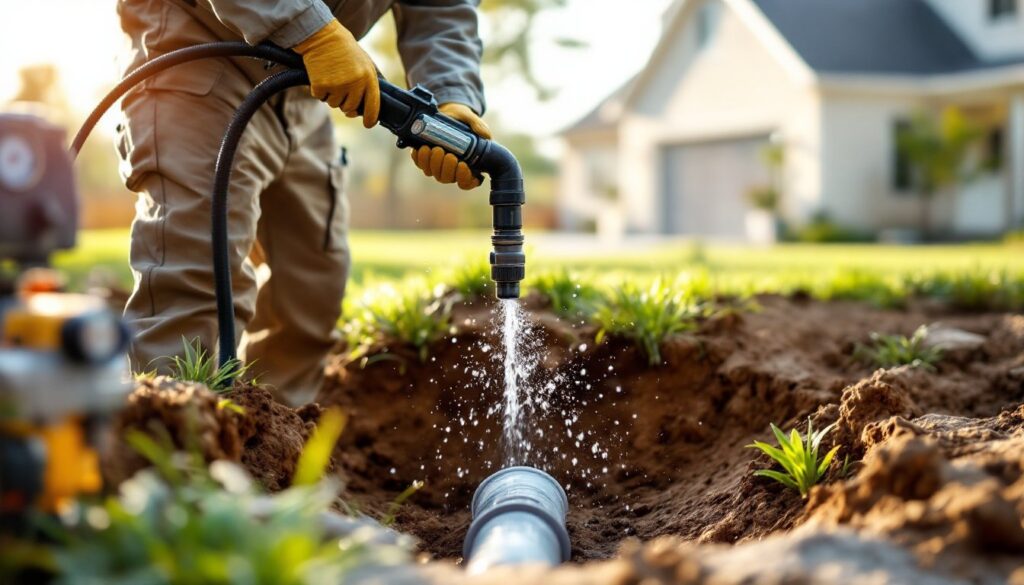
High-pressure water jetting is the most common DIY approach. Rent a commercial-grade jetting machine (3000+ PSI) from a tool rental shop. Locate the access ports or risers on your drain field lines, these are typically PVC cleanout caps buried a few inches below ground. Carefully expose one port, insert the jetting nozzle, and flush the line with high-pressure water to dislodge biomat and debris. Work slowly to avoid damaging the perforated pipes: high pressure can crack older clay or thin-wall PVC.
Enzymatic drain cleaners designed for septic systems offer a gentler chemical approach. Products containing beneficial bacteria or enzymes can break down biomat over weeks to months. These work best as preventive maintenance rather than emergency fixes, though some homeowners report moderate success treating early-stage buildup. Follow package instructions carefully, most require you to stop water use for several hours after application.
Aeration methods using compressed air to introduce oxygen-loving bacteria are less common for DIYers but worth knowing about. Professionals use specialized equipment: the approach isn’t practical for most homeowners tackling this solo.
Be realistic about limitations. If your drain field has failed due to structural damage, improper installation, or severe compaction, cleaning alone won’t restore it. Recent home maintenance guides emphasize that drain field longevity depends on both cleaning and proper system design from the outset.
When to Call a Professional vs. Handling It Yourself
Call a professional if:
• You’re uncertain about drain field location or system layout
• Slow drains persist after a full septic tank pumping
• You suspect root intrusion, broken pipes, or structural failure
• Your yard has flooded or sewage has backed into the home (health hazard)
• Local codes require a licensed contractor for drain field work (many jurisdictions do)
• The system is older than 30 years or was installed before modern EPA standards
You can handle basic maintenance yourself if:
• You’ve clearly identified biomat or slow drainage (not structural failure)
• Your system is recent, properly designed, and accessible
• You’re comfortable renting and operating high-pressure equipment safely
• Your local health department permits homeowner maintenance
Professional jetting and inspection typically cost $150–$400 per visit, though prices vary widely by region and system complexity. For cost details and regional pricing trends, homeowners should review current septic cleaning costs before hiring. If your drain field requires extensive work or replacement, costs climb rapidly, another reason prevention is worth the upfront effort.
Prevention Tips to Extend Your Drain Field Lifespan
The best drain field cleaning is the one you never need. Follow these practices:
Keep the tank pumped regularly. Schedule pumping every 3–5 years (more often if you have a larger household). A full tank forces solids into the drain field, accelerating biomat buildup. This single step prevents most failures.
Never flush non-biodegradable items. Limit flushing to human waste and toilet paper. Wet wipes, paper towels, feminine hygiene products, and even “septic-safe” options can clog the field. Teach household members this golden rule.
Manage water use wisely. Septic systems process water slowly: high-volume days (laundry marathons, guests) can overwhelm the field. Spread laundry throughout the week, fix running toilets promptly, and install low-flow fixtures.
Keep heavy vehicles and structures off the field. Compacted soil reduces percolation and stresses pipes. Avoid parking, building decks, or planting trees directly over the drain field.
Use septic-safe cleaning products. Harsh chemicals and excessive bleach kill beneficial bacteria that break down waste. Home improvement guides recommend using gentle, biodegradable soaps and limiting chemical use.
Route roof gutters and grading away from the field. Excess water overloads the system and prevents proper drainage. Slope your yard so surface water runs away from septic components.
Inspect the tank annually if accessible. A quick visual check for cracks, leaks, or rising effluent levels can catch problems early before drain field damage occurs.