




Table of Contents
ToggleMost people brush twice a day and figure they’re protecting their teeth. But here’s the reality: a toothbrush, no matter how thorough, can’t reach below the gum line where bacteria love to hide. That’s where deep cleaning teeth comes in. Professional deep cleaning, also called scaling and root planing, removes stubborn tartar, plaque, and bacterial buildup that regular brushing leaves behind. It’s not cosmetic fluff. It’s preventive dental maintenance that keeps your mouth healthy, prevents serious disease, and saves you thousands in treatments down the road. Let’s walk through why dentists recommend it and what you actually get out of the appointment.
Key Takeaways
- Deep cleaning teeth removes tartar and bacterial buildup below the gum line that regular brushing cannot reach, preventing gum disease and tooth decay.
- Professional deep cleaning stops or reverses early gum damage by eliminating the bacterial biofilm that causes inflammation and bone loss.
- Beyond oral health, deep cleaning improves smile aesthetics, freshens breath, and costs significantly less than treating advanced gum disease or replacing lost teeth.
- Deep cleaning tackles the root causes of bad breath by removing the anaerobic bacteria breeding grounds that produce foul-smelling sulfur compounds.
- Preventive deep cleaning addresses systemic health risks linked to untreated gum disease, including heart disease, stroke, and diabetes complications.
- A single deep cleaning appointment (typically $500–$1,200 for full mouth) is affordable insurance against thousands in future implants, root canals, and restorative procedures.
Removes Buildup That Regular Brushing Misses
Your toothbrush is excellent at cleaning the surfaces you can see. Plaque hardens into tartar (calculus) below the gum line, where bristles can’t reach. Tartar bonds tightly to your teeth and root surfaces, and it won’t budge with a regular toothbrush or floss.
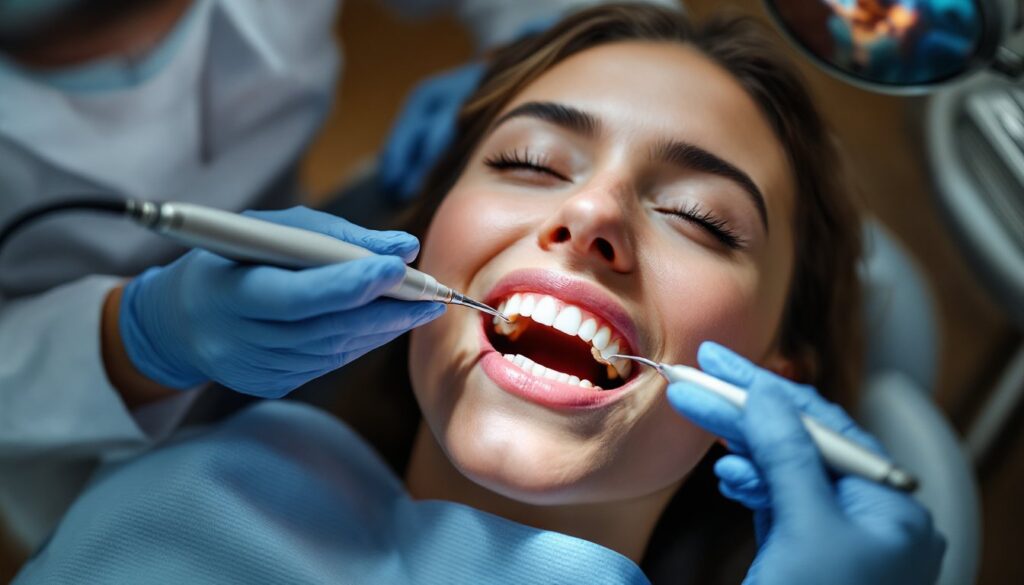
During deep cleaning, a hygienist or dentist uses specialized instruments, hand scalers and ultrasonic scalers, to dislodge tartar from tooth surfaces and below the gum line. Ultrasonic scalers vibrate at high frequencies, effectively shattering buildup without damaging enamel. Hand instruments let your provider work with precision in sensitive areas.
This isn’t just about aesthetics. Tartar below the gum line creates a harbor for bacteria that cause inflammation and bone loss. Removing it stops the decay cycle before it accelerates. Think of it like descaling a coffee maker, you need different tools than a sponge to remove mineral buildup.
Prevents Gum Disease and Tooth Decay
Gum disease starts when tartar and bacteria irritate your gums, triggering inflammation. Early stages (gingivitis) cause bleeding, swelling, and redness, signs many people ignore because they don’t hurt. Left untreated, it progresses to periodontitis, where bone supporting your teeth begins to deteriorate. Once bone loss happens, it’s largely irreversible.
Deep cleaning removes the bacterial biofilm causing this cascade. By eliminating tartar and smoothing root surfaces (a process called root planing), your gums have a chance to reattach and heal. Studies show that deep cleaning stops or slows progression of existing periodontal disease in most patients. It’s one of the few interventions that can actually reverse early gum damage.
Beyond gum health, removing subgingival (below-gum) tartar also stops decay below the gum line. These areas are harder to reach with preventive daily care, making them vulnerable to cavities. Professionals can catch and treat decay in these spots before it becomes a big problem. If you’re noticing signs of gum trouble, how long for gums to reattach after deep cleaning provides realistic expectations for recovery.
Brighten Your Smile and Improve Appearance
Tartar buildup is not just brown or black, it creates a dull, aged appearance on your teeth. When a hygienist removes it, your teeth often look noticeably whiter and brighter, even without a whitening treatment. You’re simply revealing the natural tooth color buried under discoloration.
This surface-level benefit shouldn’t overshadow the health reasons, but it’s a real bonus. A cleaner mouth looks and feels fresher. Your smile appears more polished and well-maintained. For people who’ve had tartar buildup for years, the difference is striking. Many patients say they feel more confident smiling after deep cleaning because their teeth look genuinely cleaner, not just because they feel better.
The appearance improvement pairs nicely with confidence. If you’re considering a smile refresh, combining deep cleaning with professional cleaning services ensures your teeth start from a genuinely healthy baseline.
Freshens Your Breath for Lasting Confidence
Bad breath often stems from bacteria and decay below the gum line, exactly what deep cleaning targets. Anaerobic bacteria (species that thrive without oxygen, deep in tartar deposits) produce volatile sulfur compounds that smell foul. Mouthwash masks this temporarily, but it doesn’t fix the source.
Removing tartar and smoothing root surfaces eliminates the breeding ground for these bacteria. Your breath improves noticeably within a few days as the oral environment stabilizes. Paired with consistent brushing, flossing, and using a toothpaste recommended by dentists (quality options are outlined in detailed toothpaste reviews), the improvement sticks around.
Fresh breath is a confidence booster. You’re not worried about talking closely with someone or laughing freely. It sounds small, but it affects how you interact socially and professionally. That psychological benefit compounds the physical health gain.
Saves Money on Costly Dental Procedures Later
Deep cleaning typically costs between $150 to $300 per quadrant (your mouth has four quadrants) or $500 to $1,200 for a full mouth, depending on severity and location. That sounds like a hit, but compare it to the alternatives.
Untreated gum disease leads to bone loss, tooth mobility, and eventual tooth loss. A single tooth implant costs $3,000 to $6,000 or more. Root canals run $1,000 to $2,000 per tooth. Bone grafting for advanced periodontal disease adds thousands more. Bridge work, dentures, and cosmetic corrections add up fast. One deep cleaning appointment now prevents a cascade of expensive treatments.
Insurance often covers a significant portion of deep cleaning (many plans cover 50–80% after deductibles), making it an affordable preventive investment. Even out-of-pocket, it’s cheap insurance against losing teeth or facing restorative work that drains your budget. Dentists push deep cleaning not to pad your bill, but because it’s the single best defense against expensive future treatment.
Boosts Overall Health Beyond Your Mouth
Your mouth isn’t isolated from the rest of your body. Bacteria and inflammation from untreated gum disease can enter the bloodstream, triggering systemic inflammation. Research links periodontitis to increased risk of heart disease, stroke, diabetes complications, and respiratory infections.
Deep cleaning reduces oral inflammation and bacterial load, which may lower these broader health risks. Patients with heart disease or diabetes benefit especially from aggressive periodontal care. Dentists and cardiologists increasingly recommend gum health as part of overall cardiovascular prevention. It’s not just about keeping your teeth, it’s about protecting your organs.
Pregnant women with gum disease also face higher risks of preterm delivery and low birth weight. Addressing periodontal disease before or during pregnancy is considered important prenatal care. The mouth-body connection is real, and deep cleaning is one of the most effective ways to strengthen that link. For a broader view of preventive health habits at home, simple cleaning strategies and household practices reinforce oral care routines.
Conclusion
Deep cleaning teeth addresses the root causes of gum disease, decay, and poor oral health, not just surface problems. It removes stubborn buildup, prevents serious disease, freshens your breath, brightens your smile, and eventually saves you money on expensive future treatments. Beyond your mouth, it reduces inflammation and may lower risks for heart disease, stroke, and other systemic conditions.
If your dentist recommends deep cleaning, it’s worth taking seriously. Schedule the appointment, follow post-care instructions, and commit to better daily habits. Your future self, and your wallet, will thank you.