
Table of Contents
ToggleLos Angeles homeowners deal with drain problems year-round, from slow-moving water in kitchen sinks to complete blockages in bathroom pipes. The city’s older infrastructure, mineral-heavy water, and soil conditions create unique challenges for drain maintenance. Rather than immediately calling a plumber, many DIYers can tackle drain cleaning themselves with the right approach. This guide covers the most practical methods for clearing drains, when it’s time to bring in professionals, and how to prevent costly problems before they start. Whether you’re dealing with a sluggish shower or a backed-up main line, understanding your options saves money and gets your drains flowing again.
Key Takeaways
- Regular drain cleaning in Los Angeles prevents expensive repairs caused by hard water mineral deposits, hair buildup, and debris that gradually narrow pipes and create blockages.
- DIY drain cleaning methods like the boiling water and baking soda technique work effectively on fresh clogs and can save hundreds compared to emergency plumber calls.
- A manual plumbing snake costing $15–40 handles tougher drain clogs than simple methods and works well for bathroom drains when used carefully without forcing.
- Professional drain cleaning services are essential for main line blockages, tree root intrusion, and persistent clogs that DIY methods cannot resolve safely.
- Prevention through monthly maintenance—such as using drain screens, avoiding grease disposal, and clearing outdoor drains of leaves—keeps LA drains flowing and avoids costly future problems.
Why Regular Drain Maintenance Matters for LA Homeowners
Los Angeles’ water system presents specific challenges that make proactive drain care essential. The region’s hard water, water with high mineral content, deposits calcium and magnesium buildup inside pipes over time. This mineral accumulation isn’t as dramatic as a hair clog, but it gradually reduces water flow and creates surfaces where other debris sticks.
Regular drain maintenance prevents small issues from becoming expensive repairs. A slow drain today becomes a backed-up line tomorrow, potentially damaging walls, ceilings, and foundations. Prevention costs pennies in supplies: emergency service calls cost hundreds.
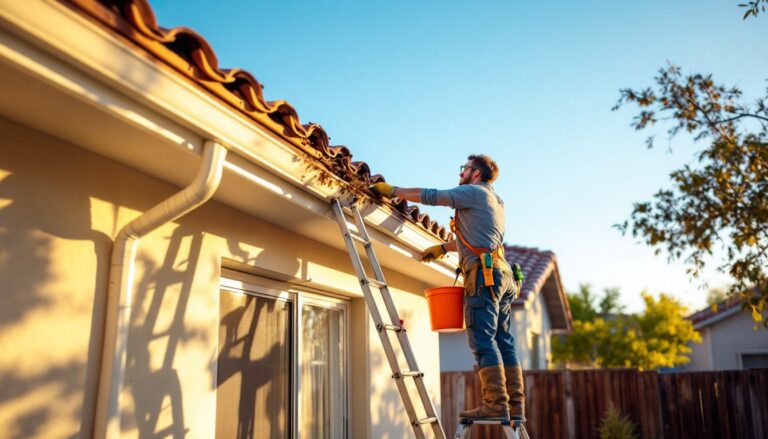
LA’s warm climate also means outdoor drains face year-round challenges. Leaves, dirt, and tree roots can infiltrate pipes more aggressively in Southern California’s established neighborhoods where large trees mature over decades. Seasonal leaf drop in fall and spring creates predictable problem periods.
Common Causes of Drain Problems in Los Angeles
Understanding what’s clogging your drain helps determine the best fix. The most common culprits in LA homes include hair (especially in bathrooms), soap scum buildup, and grease accumulation in kitchen drains. Soap and shampoo residue combines with hair to form stubborn blockages that don’t clear with water pressure alone.
Mineral deposits from hard water accumulate slowly but persistently. Over months, these deposits narrow the pipe diameter and trap other debris. Kitchen drains frequently suffer from grease buildup, cooking oil solidifies as it cools and sticks to pipe walls.
Outdoor drains in Los Angeles face tree root intrusion, a particularly serious problem in older neighborhoods. Roots seek moisture and gradually penetrate even small cracks in clay or older cast-iron pipes. Once roots break through, they create extensive blockages that DIY methods can’t resolve. Leaves, dirt, and debris also accumulate in yard drains, especially near landscaping or mature trees.
In some cases, improper grading or foundation settling causes water pooling that backs up into drain systems. This requires assessment beyond simple drain cleaning.
DIY Drain Cleaning Methods You Can Try First
Most household drain clogs respond to simple, inexpensive techniques before you need professional equipment. Start with the gentlest methods and progress to more aggressive approaches only if needed.
Boiling Water and Baking Soda Technique
This method works best on fresh clogs and preventative maintenance. Boiling water alone clears minor buildup and helps dissolve grease.
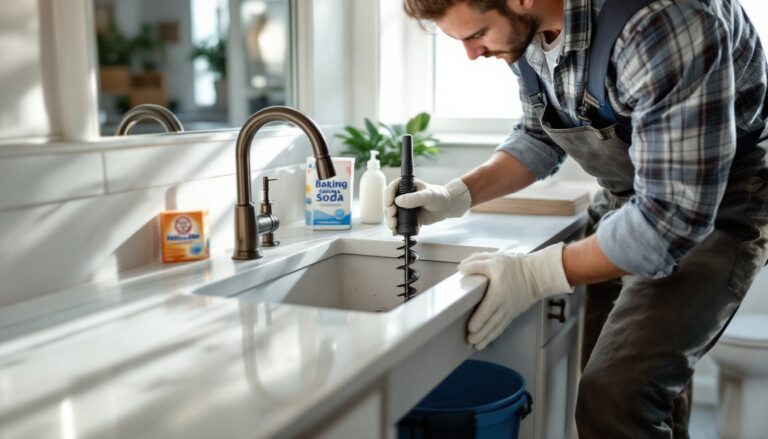
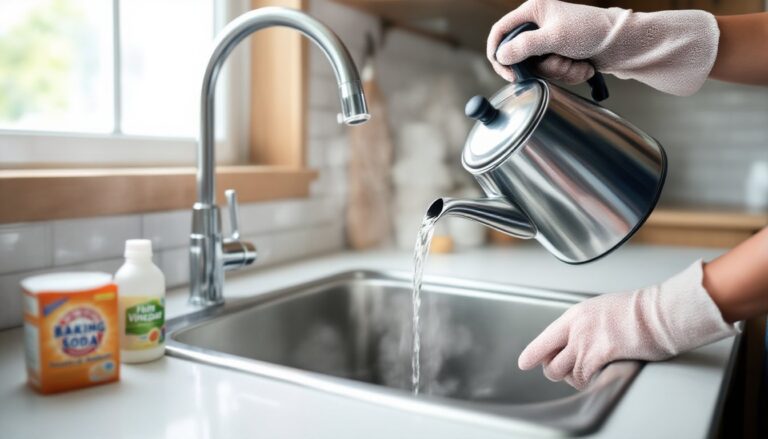
For a more effective treatment, use baking soda first: pour one cup of baking soda directly down the drain, followed by one cup of white vinegar. Cover the drain opening with a plug or wet cloth. The chemical reaction between baking soda and vinegar creates pressure that loosens debris. Wait 15 minutes, then flush with boiling water.
This approach is safe for all pipe types (PVC, cast iron, copper) and won’t damage septic systems. It’s ideal for maintenance between clogs and works on slow drains. For active blockages with standing water, remove the water first using a plunger or cup.
Using a Plumbing Snake or Auger
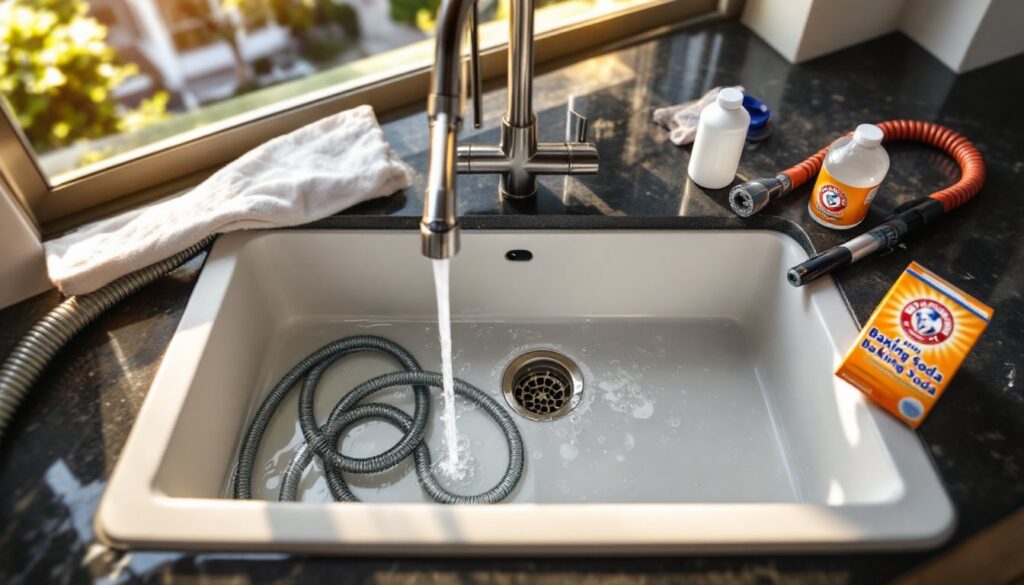
A plumbing snake (also called a hand auger) is an affordable tool that handles tougher clogs than boiling water can resolve. Manual snakes cost $15–40 and work through rotating a coiled wire down the drain to break apart blockages or hook and pull out debris like hair.
To use a snake: feed the wire slowly down the drain while turning the handle. You’ll feel resistance when the wire hits the clog. Continue turning and pushing, don’t force it suddenly, which can damage pipes. Rotate 5–10 times, then pull back slowly. You may need to repeat this several times.
For bathroom drains, remove the drain cover and any visible hair first. For kitchen sinks, you may need to remove the P-trap (the curved section of pipe under the sink). Place a bucket underneath before unscrewing the connections. Hand snakes work better on tubs and showers where the line is relatively straight.
Motorized drain augers rent for $40–75 per day at tool rental shops and hardware stores. They’re more powerful but require practice to avoid damaging pipes. DIYers unfamiliar with augers should stick with manual snakes for first attempts.
When to Call a Professional Drain Cleaner
Some situations require professional equipment and expertise. If your drain remains blocked after trying boiling water, baking soda, and a hand snake, professional help is warranted. A plumber with a motorized auger and camera equipment can diagnose problems DIY methods miss.
Main line blockages, where water backs up from multiple drains in your home, indicate a problem deeper in your sewer line. These absolutely require professional diagnosis and repair. Tree roots, ground settling, or pipe deterioration cause main line issues that DIY snakes can’t resolve and may make worse.
If you notice sewage odors, damp spots in your yard, or multiple slow drains throughout the house, contact a professional. In Los Angeles, many top-rated drain cleaning services are available through online directories. Services like those found on Angi’s drain cleaning listings for Los Angeles offer customer reviews and pricing information to compare plumbers in your area.
Before calling, do a quick inspection yourself. Check if one drain is affected or multiple areas. Note when the problem started. This information helps professionals diagnose faster and quote more accurately.
Drain cameras (which plumbers use to see inside pipes) reveal the exact clog location and type. Hydro-jetting forces high-pressure water through pipes, effective for mineral deposits and grease but risky on older pipes if not done properly. Professional-grade motorized augers can clear obstructions hand snakes can’t reach.
Costs vary widely by problem severity. Simple clearing might run $150–300: main line work can reach $500–2000+ depending on access and repairs needed. Get multiple quotes before committing.
Preventing Future Drain Issues in Your LA Home
Prevention saves time, money, and frustration. Establish simple habits that keep drains flowing.
For kitchen sinks, use drain screens and wipe grease from pans onto paper towels before washing. Never pour cooking oil down the drain, it solidifies as it cools and traps other debris. Run cold water while using the garbage disposal, then hot water afterward to help flush debris through.
In bathrooms, use drain guards to catch hair before it enters pipes. Hair is the leading cause of bathroom clogs. Empty guards regularly into the trash. Limit the amount of soap or shampoo entering drains, solid soaps generate less buildup than liquid products.
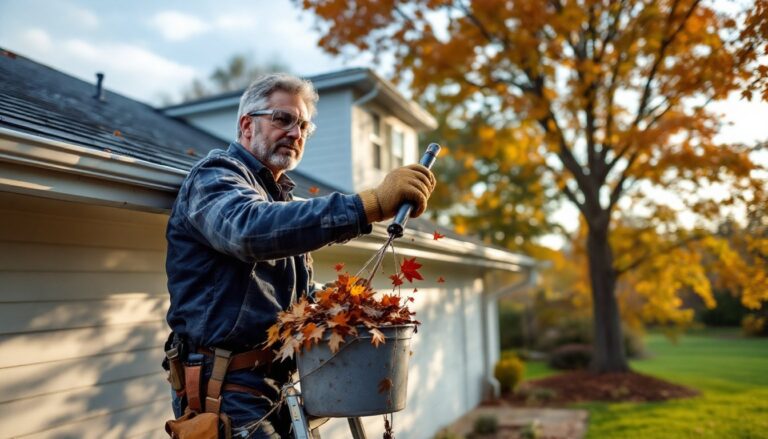
Monthly drain maintenance prevents buildup before it becomes a clog. Pour boiling water down each drain followed by baking soda and vinegar. This is especially important in LA homes where hard water mineral deposits accumulate. For outdoor drains, clear leaves and debris monthly, especially during fall and spring.
If you rent, many issues fall to your landlord’s responsibility. Angie’s List house cleaning services can recommend local cleaners familiar with drain maintenance, though major repairs remain the owner’s obligation.
In areas where you suspect tree roots might be an issue, avoid planting new trees directly over sewer lines. If roots are already a problem, professional root barriers or pipe replacement may be necessary, not a DIY project.
For those interested in learning more plumbing fixes, Family Handyman’s plumbing guides cover related projects and maintenance tips. Also, HomeAdvisor’s cost estimators help homeowners understand typical pricing for drain cleaning and when professional help makes financial sense in your area.